
Thinking about a remodel in the Bay Area this season? You've picked the perfect time. With mortgage rates still high, many homeowners are staying put and upgrading their current homes rather than moving.
This means the remodeling industry is busy, especially as we head into the fall and winter. This guide will walk you through how to plan a successful project in today’s market.
Why This Is The Perfect Season For Your Bay Area Remodel
Across the Bay Area, from Berkeley to San Francisco, a major trend is underway. Homeowners are choosing to upgrade in place instead of facing a tough housing market.
This has made fall and winter a popular time for renovations. Projects that boost energy efficiency or add curb appeal before the holidays are especially common. This surge means demand for quality materials and good contractors is high, so planning early is key.

Taking Advantage of Local Market Trends
A slight slowdown in new construction has freed up some contractor availability. This means you may not have the long waits that were common a few years ago.
Plus, cities like San Jose are streamlining permit processes, making approvals faster. You can discover more insights about the Bay Area's renovation landscape to understand these trends.
For local pros, this is a great time to find materials that meet California’s strict energy codes. Partnering with a trusted supplier like Truitt & White, who understands these local rules, is more important than ever.
Bay Area remodeling is strong. Last year, 56% of homeowners took on projects. The median spend is up 60% since 2020, showing a focus on high-value upgrades like new windows and doors.
Smart Upgrades That Add Lasting Value
Homeowners are making smart, high-impact improvements. We see many people in older East Bay neighborhoods benefiting from projects that make their homes more comfortable and efficient.
Here are some popular and practical projects this season:
- Energy-Efficient Windows: Replacing old windows with modern, energy-rated ones is a smart move. It improves insulation, lowers utility bills, and meets California’s Title 24 requirements.
- High-Performance Doors: A new front door boosts curb appeal while improving security and energy efficiency. It’s a small change with a big impact.
- Fire-Safe Materials: In many parts of the Bay Area, this is a necessity. Using fire-resistant siding and decking is a critical safety upgrade.
Starting your planning early helps you get these materials without delays. Remodeling your Bay Area home this season? Visit Truitt & White in Berkeley for expert guidance and the high-performance materials your project deserves.
Creating a Realistic Budget For Your Bay Area Renovation
Let's talk numbers. Planning a remodel in the Bay Area requires a clear look at our unique costs. You need a solid budget that covers the high demand for skilled labor and quality materials.
Knowing the real costs is the first step to a successful project. Whether you're updating a bathroom in Oakland or redoing a kitchen in San Francisco, a good budget prevents stressful surprises.
This is where careful planning makes all the difference. For more on this, check out our guide on effective construction budget management.
Understanding Typical Bay Area Project Costs
Renovation costs in the Bay Area are among the highest in the nation. This is due to high demand, skilled labor rates from $75 to $250 per hour, and strict building codes.
- A light cosmetic refresh might cost $150 to $250 per square foot.
- Mid-range kitchen or bath updates often fall between $250 and $400 per square foot.
- A full-home renovation can run from $100,000 to $300,000, with luxury remodels going well over $500,000.
You can see a great regional cost breakdown by exploring the real costs to remodel a Bay Area home.
Bay Area Remodel Project Cost And ROI Estimates
Here is a look at common remodeling projects in the Berkeley, Oakland, and San Francisco area, along with their potential return on investment (ROI).
| Project Type | Estimated Cost Range | Potential ROI |
|---|---|---|
| Minor Kitchen Remodel | $25,000 – $80,000 | 75% – 100%+ |
| Major Kitchen Remodel | $80,000 – $150,000+ | 80% – 120% |
| Mid-Range Bathroom Remodel | $25,000 – $45,000 | 70% – 90% |
| Primary Suite Addition | $150,000 – $350,000+ | 60% – 80% |
| Deck or Patio Addition | $20,000 – $75,000+ | 65% – 85% |
This table can help you make smart decisions that match your vision with your budget.
A key takeaway for homeowners is the strong ROI for kitchen remodels. An updated kitchen can recoup 80-120% of its value at resale in desirable neighborhoods.
Why You Need a Contingency Fund
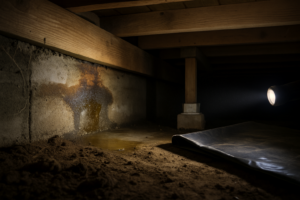
A contingency fund is a critical part of any Bay Area remodel budget. Many of our homes, especially in older East Bay neighborhoods, have surprises behind the walls, like outdated wiring or dry rot.
Your contingency fund is a financial safety net for these moments.
We recommend setting aside 15-25% of your total project cost for these "what-ifs." This is a must-have that prevents unexpected costs from ruining your timeline and vision.
Don't Forget These Hidden Remodeling Costs
Beyond labor and materials, other expenses can surprise homeowners. Be sure your plan includes:
- Permit and Design Fees: Architectural plans and city permits have upfront costs.
- Demolition and Debris Removal: Tearing out old structures and hauling away waste costs money.
- Temporary Housing: For a major remodel, you may need to budget for staying elsewhere.
- Material Upgrades: Small upgrades to higher-quality finishes can add up quickly.
Smart Ways To Save Money on Your Remodel
A tight budget doesn't mean you have to sacrifice quality. One of the best ways to save is to keep your existing layout. Moving walls or plumbing is a major expense.
Another smart move is to choose high-performance engineered materials. Engineered wood flooring or composite decking can offer great looks and durability at a lower cost. These modern materials are also designed for the Bay Area’s climate, providing great long-term value.
How To Navigate Bay Area Permits And Building Codes
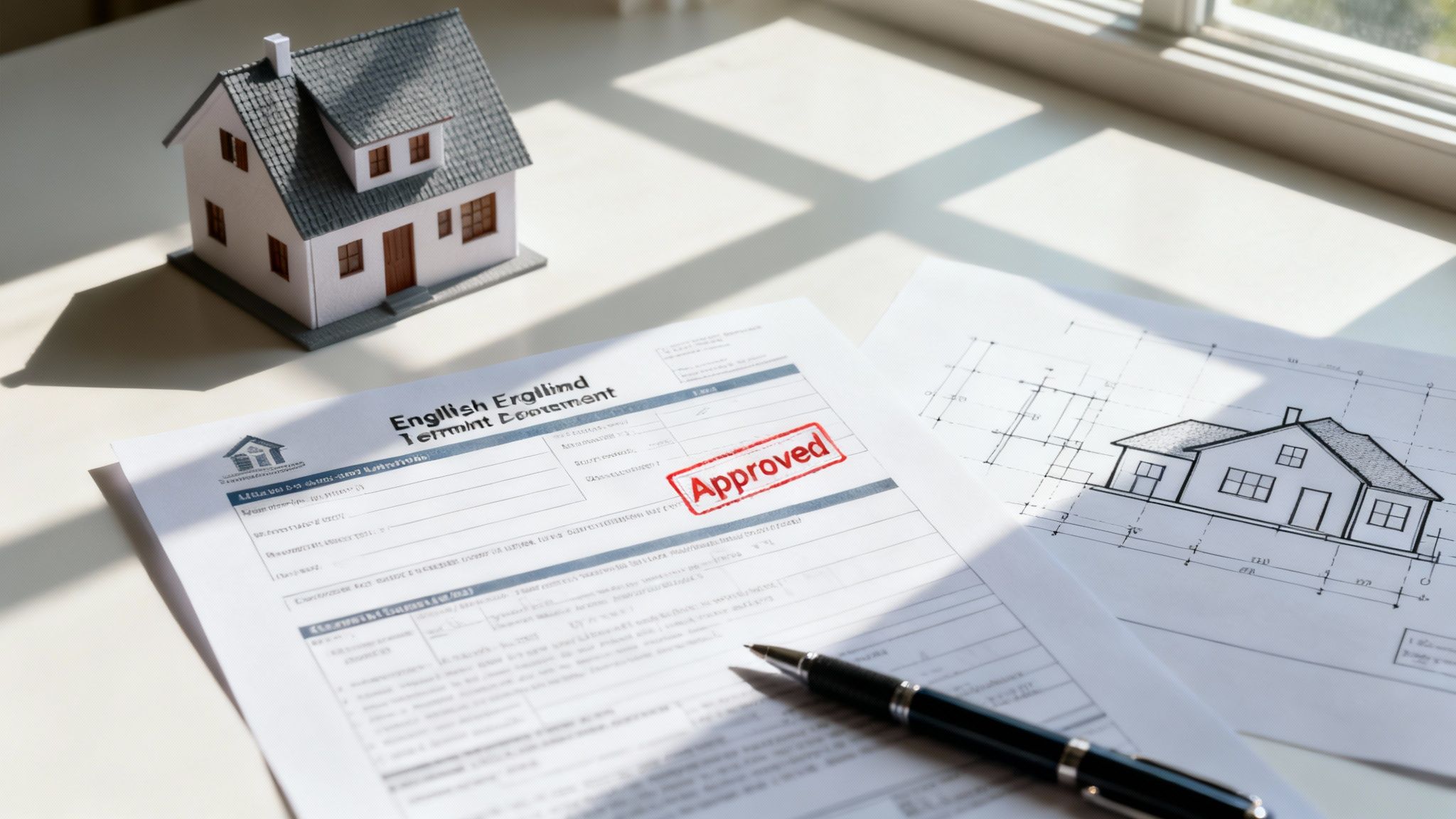
The permit process can seem scary. But understanding the rules is the first step toward a smooth project. Local regulations in Berkeley, Oakland, and San Francisco ensure your remodel is safe and energy-efficient.
Handling these requirements is a key part of planning a remodel in the Bay Area this season. California’s building codes are tough and cover everything from seismic safety to energy use.
When Is a Building Permit Required?
One of the first questions people ask is, "Do I need a permit?" Minor cosmetic updates like painting may not. However, most other work will.
You will almost certainly need a permit for:
- Structural Changes: Any work on your home's frame, like removing a wall.
- Electrical and Plumbing Work: Adding new outlets or moving pipes.
- Window and Door Replacements: Changing the size or location of an opening requires a permit.
- Additions or New Structures: Building a deck or adding a room will require permits.
It's vital to understand the local rules, including specific plumbing requirements for bathroom remodels. Getting this right from the start saves you from costly delays.
Understanding Key California Building Codes
Two major regulations impact Bay Area remodels: Title 24 and seismic safety standards. They are designed to make our homes safer and more sustainable.
California's Title 24 energy standards set strict efficiency requirements. This means products like windows, doors, and insulation must meet certain performance ratings.
Key Takeaway: Complying with Title 24 is not just about passing inspection. Choosing energy-rated windows and doors can lower your utility bills and make your home more comfortable. It's a smart investment.
Also, seismic retrofitting is crucial, especially for older homes in Oakland and Berkeley. These codes require structural reinforcements to help buildings withstand earthquakes.
The Permit Application Process From Start to Finish
The permit process usually starts by submitting detailed plans to your city's building department. The steps are similar across the Bay Area.
Your application will typically need:
- Detailed Architectural Plans: Drawings that show the scope of work.
- Engineering Calculations: Proof from an engineer that structural changes are sound.
- Product Specifications: Documents for the materials you plan to use, like data for new windows.
Good preparation is key. A complete application is less likely to be delayed. Working with an experienced contractor who knows your city’s rules is the best way to ensure a smooth process.
Sourcing Quality Materials And Managing Timelines
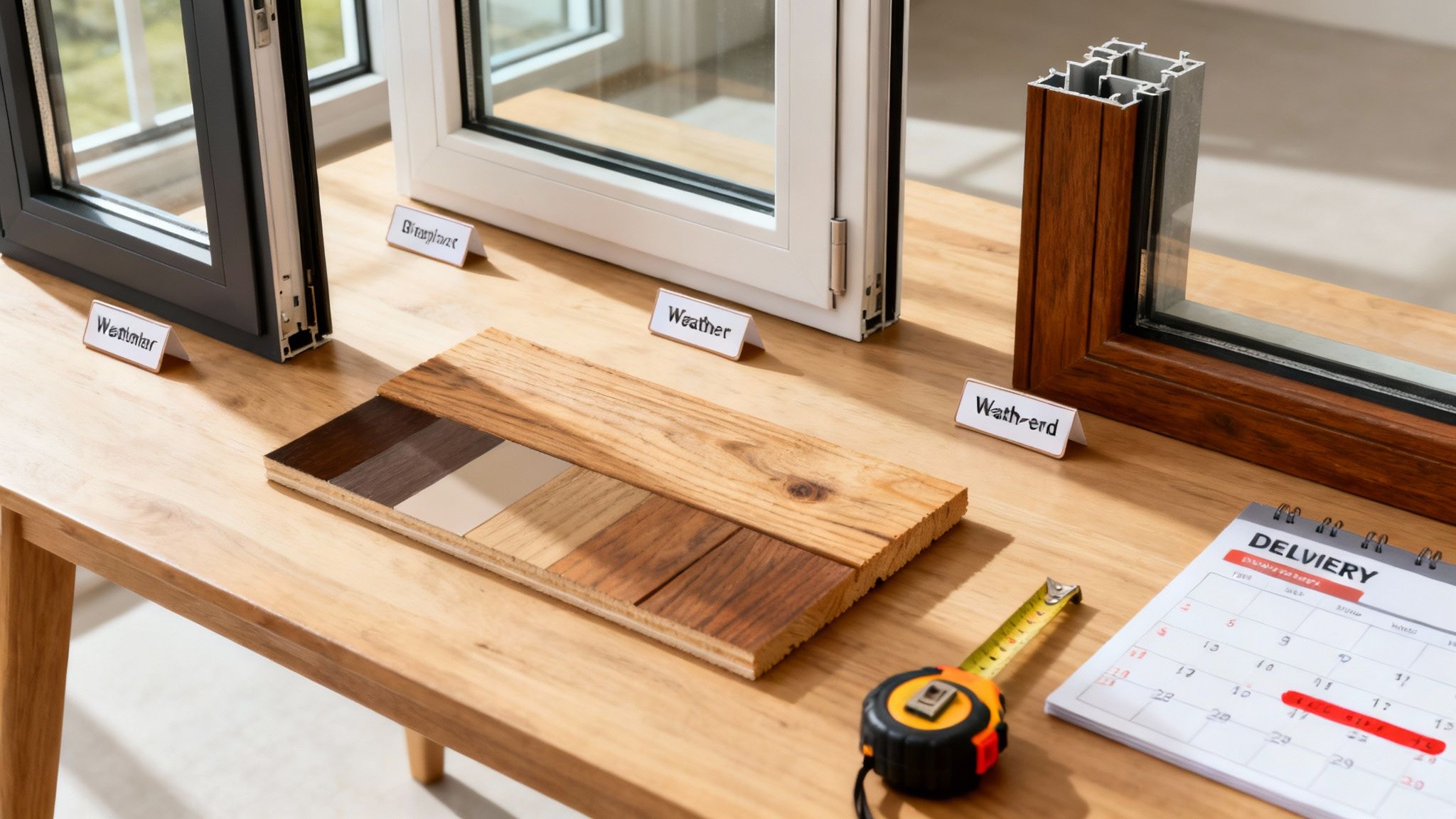
A Bay Area remodel depends on two things: quality materials and a good schedule. Choosing the right products means finding materials that can handle our microclimates and meet California’s strict building codes.
This season, remodeling demand is high, so managing material lead times is critical. Custom items can take weeks or even months to arrive. Ordering early is the best way to keep your project on track.
Selecting Materials Built for the Bay Area Climate
The Bay Area has many different microclimates. A home in the Berkeley hills has different needs than one in Walnut Creek. Local expertise is very helpful when choosing supplies.
- Weather-Ready Lumber and Siding: Our coastal air can be harsh. Look for lumber and siding treated to resist moisture. In fire-prone areas, use materials that meet Wildland-Urban Interface (WUI) codes.
- Benefits of Energy-Efficient Windows in the Bay Area: California’s Title 24 energy code requires windows and doors with specific performance ratings. You must choose products that meet these standards to pass inspection and save on energy bills.
- Durable Finishes: From your deck to your paint, pick products proven to stand up to sun and rain. Better finishes may cost more upfront but save you from costly replacements later.
Expert Insight: When planning a remodel in the Bay Area this season, look at long-term performance, not just the initial price. A higher investment in a better window or siding often pays for itself through energy savings and lower maintenance.
Managing Lead Times and Material Delivery
Lead times for custom items are still a big factor. Custom windows or specialty doors can take 4 to 16 weeks to arrive.
Forgetting to plan for this is a common reason for project delays. One delayed item can cause a domino effect of expensive setbacks.
A local supplier like Truitt & White can be a great partner. We have a large inventory of "Berkeley building materials" and can give you realistic lead time estimates from the start. Our team helps you schedule orders so materials arrive right when your crew needs them.
For builders, good logistics are everything. We understand the challenges of job sites in crowded areas like Oakland and can coordinate timely drop-offs. Learn more about our professional construction materials delivery and how we keep projects on track.
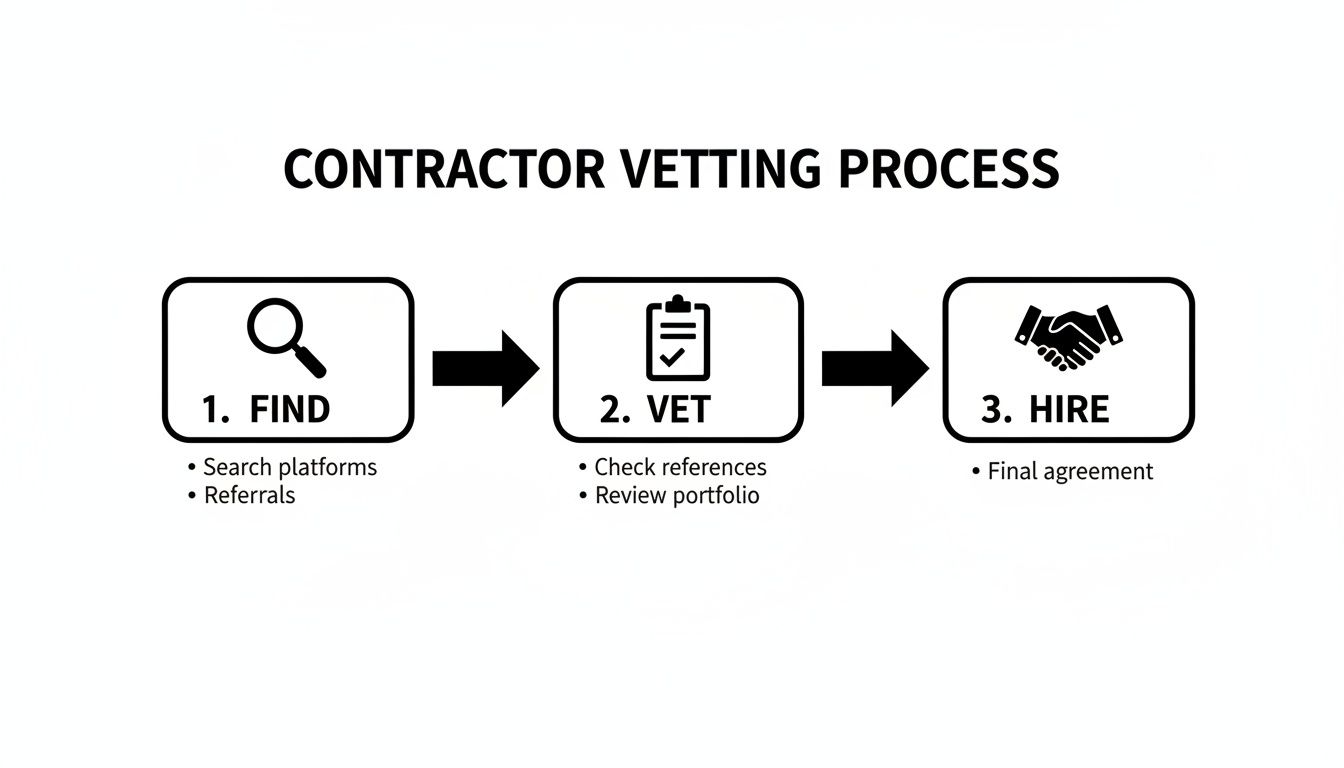
How To Find And Vet The Right Local Contractor
Your project’s success depends on picking the right contractor. A good contractor is your partner in navigating permits, managing the timeline, and staying on budget.
Finding a skilled, reliable pro is the most important decision you'll make. A structured approach can help you hire with confidence.
Where to Find Reputable Bay Area Builders and Contractors
Start with trusted, local sources to find the best professionals.
Here’s where to look:
- Word-of-Mouth Referrals: Ask friends, family, and neighbors in Berkeley or Oakland. A real-world recommendation is priceless.
- Local Material Suppliers: A "lumberyard near Oakland" like Truitt & White knows the best builders. We see who is organized and does quality work.
- Architects and Designers: If you're working with a design pro, they will have a list of trusted contractors.
Once you have a list of three to five names, it's time to vet them.
Key Questions to Ask Every Potential Contractor
Think of this as an interview. A good builder will expect detailed questions and answer them clearly.
Make sure you cover these points:
- Licensing and Insurance: Ask for their California contractor's license number and proof of general liability and workers' compensation insurance. This is non-negotiable.
- Experience with Similar Projects: Have they done remodels like yours, in your city?
- Subcontractor Relationships: Do they use the same crew for every job? Long-term relationships often mean higher-quality work.
- Project Timeline and Management: How will they keep you updated?
For more advice, see our guide on how to choose a contractor.
How to Compare Bids (It's Not Just About the Price)
Getting a few bids is standard, but don't just pick the lowest one. A cheap bid can be a sign of cheap materials or an inexperienced crew.
A professional bid should be detailed. It needs to break down costs and specify materials. The scope of work should be clear. Remember that this is just one piece of the puzzle; you can learn more about hiring the right contractor for your remodel.
Contractor Vetting Checklist
Use this table to track your conversations and compare your top candidates.
| Vetting Step | Contractor A | Contractor B | Contractor C |
|---|---|---|---|
| CA License Verified? | |||
| Proof of Insurance? | |||
| Provided 3 References? | |||
| Experience w/ Similar Projects? | |||
| Detailed, Clear Bid Provided? | |||
| Communication Style a Good Fit? | |||
| Projected Timeline Realistic? |
This checklist helps you identify the contractor who checks the most important boxes for your project.
Pro Tip: If one bid is much lower than the others, treat it as a red flag. Ask the contractor to explain their numbers. It could be an honest mistake or a sign they missed something important.
Your Essential Bay Area Remodel Planning Checklist
Let's get your project organized. This roadmap will take you from an idea to a finished space. This checklist will keep you on track and on budget.
Think of this as your guide for a stress-free renovation this season. When you’re planning a remodel in the Bay Area, a solid framework is your best tool.
Your Project Roadmap: From Vision to Completion
Every successful remodel follows a logical path. Breaking the process into manageable phases helps you stay organized.
Here’s how the journey usually unfolds:
-
Phase 1: Vision and Budgeting
- Define your project scope and must-haves.
- Set a realistic budget, including a 15-25% contingency fund.
- Arrange your financing if needed.
-
Phase 2: Team and Design
- Research and interview potential contractors and designers.
- Finalize your design and choose your materials.
- Submit your plans to the city for permits.
-
Phase 3: Sourcing and Scheduling
- Order any long-lead-time items like custom windows.
- Work with your contractor to create a firm construction schedule.
- Prepare your home for demolition and construction.
For more details, our comprehensive home renovation checklist breaks down every step.
Frequently Asked Questions About Remodeling in the Bay Area
Here are some straight answers to common questions we hear from homeowners and builders.
1. How long does a typical kitchen remodel take in the Bay Area?
A standard kitchen remodel usually takes 6 to 12 weeks from demolition to final inspection. This timeline can be longer if you have custom cabinets or specialty appliances. Ordering materials early is the best way to keep your project on schedule.
2. What's the most important factor for windows in Oakland or Berkeley?
Energy efficiency is the most important factor. California's Title 24 energy code requires new windows to meet strict insulation targets. High-performance, dual-pane "Bay Area windows and doors" will pass inspection and make your home more comfortable year-round. According to Energy Star, this can save homeowners hundreds of dollars annually.
3. Do I always need a permit for a bathroom remodel in San Francisco?
Almost always, yes. While a simple paint job might not need one, any work that involves plumbing, electrical, or structural changes will require a permit. Check with the San Francisco Department of Building Inspection before you start any work to avoid fines and delays.
4. What is a safe contingency fund for a Bay Area renovation?
We recommend setting aside a contingency fund of 15% to 25% of your total project budget. Older homes in the Bay Area can have hidden issues like outdated wiring or dry rot. This fund acts as a financial safety net for unexpected problems.
5. Where can I find building materials that meet local fire safety codes?
A knowledgeable local supplier like Truitt & White is your best resource. We are experts in products that meet California's Wildland-Urban Interface (WUI) fire safety codes. Our team can help you find the right fire-resistant siding, decking, and exterior doors for your neighborhood.
Ready to start your project? The experts at Truitt & White can help you select the right high-performance materials for your Bay Area remodel. Visit our Berkeley showroom for expert advice.