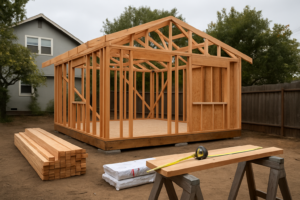
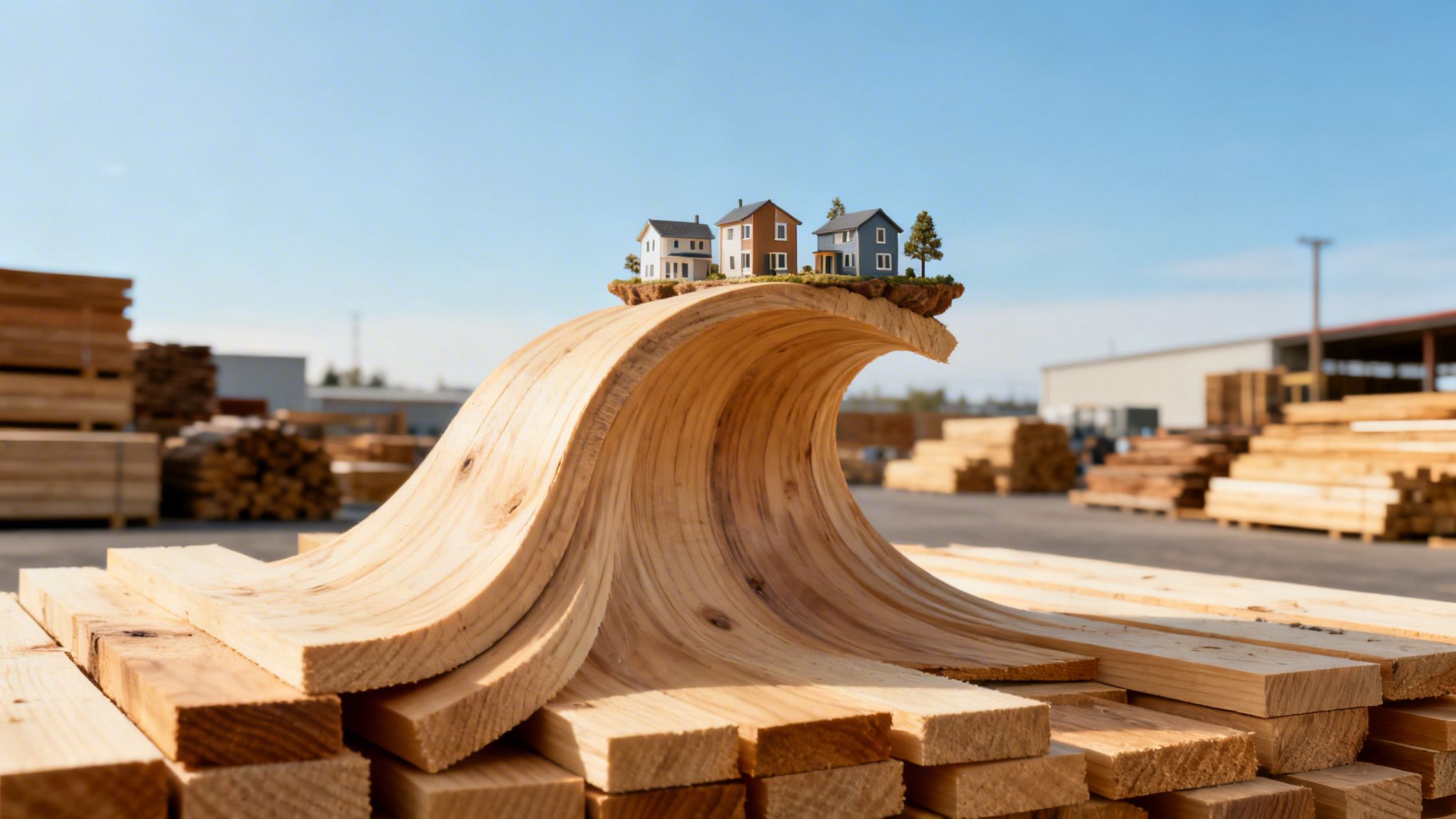
The Bay Area construction scene has changed, and Accessory Dwelling Units (ADUs) are at the center of it. This ADU wave is creating a massive need for smaller, more frequent, and specialized material orders. Traditional, large-scale supply chains were not built for this shift.
This isn't just a trend. It's a market shift that every contractor in Berkeley, Oakland, and the greater East Bay needs to understand to stay competitive.
The New Reality: ADUs Are Outpacing Traditional Home Builds
Builders and architects across the Bay Area have noticed a big change. Clients are asking for backyard cottages, in-law units, and garage conversions more often. This shows a new focus on smart uses of existing property, sparking demand for creative stunning backyard transformation ideas.
These fast-paced, small projects are straining old-school lumber yard inventories. Builders need a partner who understands this new reality.

A Shift Driven by Data
The numbers tell the story. In California, ADU permits now outpace new single-family home builds, reaching 127% of single-family permits. The Bay Area is leading this growth due to lot scarcity and affordability pressure.
This means for every 10 new homes permitted, nearly 13 ADUs also get the green light. The global ADU market is projected to hit USD 21.45 billion in 2026.
For contractors, this means more of your future projects will be compact, high-efficiency ADUs. Succeeding here requires a new way of sourcing materials.
The Unique Needs of ADU Construction
ADU projects have different rules than traditional home builds. They require speed, precision, and efficiency, especially for materials. If you've considered adding an ADU to your property, you know these projects are unique.
Let's compare them to a typical home build.
ADU Projects vs. Traditional Home Builds
| Factor | Traditional Home Build | ADU Project |
|---|---|---|
| Order Size | Large, infrequent bulk orders (full truckloads of framing lumber). | Small, frequent orders for compact spaces. |
| Timelines | Longer, predictable schedules with generous lead times. | Extremely fast-paced, requiring materials on-site with little notice. |
| Material Needs | Standardized dimensions and materials for larger footprints. | Specialized materials like fire-rated siding and specific window sizes. |
| Delivery Logistics | Single, large material drops at a spacious job site. | "Just-in-time" deliveries to tight urban sites with limited storage. |
The old model of "one big drop" doesn't work for ADUs. This creates a gap. Lumber yards slow to recognize this shift may not stock the right materials contractors need, causing delays.
Why Old-School Lumber Supply Chains are Falling Behind
For decades, lumber yards operated on a predictable rhythm. They were built for large, long-term orders for new subdivisions and custom homes. The model was to move huge volumes of standard materials to spacious job sites.
ADU projects are the opposite. They are fast, compact, and demand precision.
This mismatch creates problems for Bay Area contractors. The old supply chain wasn't designed for the speed and scale of the ADU wave. These issues can derail schedules and reduce profits.
The Problem with One-Size-Fits-All Inventory
Traditional lumber yards stock for large-scale construction. They order full truckloads of 2x4s and standard plywood sheets. This works for a 3,000-square-foot house but is inefficient for an 800-square-foot backyard cottage.
Contractors building ADUs face several challenges:
- Forced Over-Ordering: Builders often have to buy more lumber than needed to meet minimums, leading to waste.
- Lack of Specialized Stock: Finding items like LVL beams or specific I-joists can be difficult and require long lead times.
- Mismatched Dimensions: Standard lengths are often wasteful for the smaller framing of an ADU.
This inventory gap means builders waste time searching for materials instead of building.
When Timelines and Deliveries Don't Match
The pace of an ADU project is quick. With smaller crews and tighter budgets, every day counts. The delivery logistics of old-school suppliers are often slow and designed for big projects.
A lumber yard that can't provide reliable, just-in-time delivery becomes a bottleneck, not a partner. Material delays can halt progress and cost money.
Imagine trying to get materials from multiple suppliers. This disjointed process drains resources. Understanding modern construction supply chain management is critical for survival.
A lumber yard slow to recognize the ADU shift is a competitive disadvantage. Contractors who stick with unprepared suppliers risk losing bids and falling behind.
The Modern ADU Material Blueprint
Building a successful ADU in the Bay Area requires a specific set of materials. These materials are designed for tight spaces, tough local codes, and fast timelines. Nailing this blueprint helps you avoid delays and deliver a quality unit.
This shift changes how lumber yards must operate. It separates the yards ready for 2026 from those stuck in the past.

As you can see, ADU builds require a more nimble and specialized inventory strategy from the supplier. Let's look at the essential materials contractors need.
Essential Materials for Bay Area ADU Construction
| Material Category | Specific Product Examples | Why It's Critical for ADUs |
|---|---|---|
| Precision Framing | Laminated Veneer Lumber (LVL), I-Joists, Glulam Beams | These engineered products offer superior strength in a slim profile, allowing for open layouts without bulky headers. |
| Smart Windows & Doors | Double-Pane Low-E Windows, Pocket Doors, Sliding Doors | These are vital for hitting Title 24 energy targets. Space-saving designs like pocket doors are a game-changer in tight floor plans. |
| Fire-Rated Exteriors | Fiber Cement Siding, Non-Combustible Panels, Fire-Rated Sheathing | With ADUs built close to property lines in Berkeley and Oakland, fire-rated exteriors are a non-negotiable code requirement. |
| Advanced Wall Systems | Structural Insulated Panels (SIPs), Prefabricated Panels | These systems streamline framing and insulation, drastically cutting on-site labor time and keeping projects on schedule. |
Having these specific materials available is key to a smooth ADU build.
Durable Exterior Finishes and Fire-Rated Materials
Many ADUs in Berkeley, Oakland, and San Francisco are built near property lines. This makes fire safety a top priority for inspectors. It creates a huge demand for code-compliant exterior materials.
Fiber cement siding is a popular choice for ADUs. It is tough, low-maintenance, and has excellent fire-resistance ratings. We also see more specs for non-combustible exterior panels to meet strict fire codes.
This includes complete fire-rated assemblies, from doors to sheathing. Sourcing these components can be a headache, and mistakes can lead to failed inspections. To speed things up, builders are also turning to advanced wall systems. You can learn more about Structural Insulated Panels (SIPs) in our builder’s guide.
An ADU-ready lumber yard stocks these critical items. They also have the expertise to help contractors choose the right products to meet local codes from the start.
How Local Policies Are Fueling the Bay Area ADU Boom
The recent ADU boom is a direct result of smart policy changes. For years, building a backyard cottage was a bureaucratic nightmare. Now, lawmakers are clearing the path to tackle the Bay Area's housing crisis.
This policy shift gives contractors long-term stability. This is not a temporary bubble; it's a fundamental change in how cities like Berkeley and Oakland approach housing density.
State Laws Are Paving the Way
California has passed landmark laws to tear down common barriers to ADU construction. These changes have made the permitting process faster and more predictable.
Key changes driving this wave include:
- Faster Permit Approvals: Cities must approve or deny most ADU applications within 60 days.
- Reduced Setback Requirements: Setbacks are now as little as four feet, opening up more lots.
- Parking Exemptions: Properties near public transit are often exempt from adding new parking, a huge win in the East Bay.
These statewide laws create a builder-friendly foundation. They ensure demand for ADU projects will remain strong.
Local Incentives in Alameda and Contra Costa Counties
Many Bay Area cities have gone even further to encourage ADU development. In Alameda and Contra Costa counties, local governments are streamlining the process to meet housing goals.
For example, some cities offer pre-approved ADU plans. This saves homeowners money on architectural fees and shortens timelines. Others have reduced impact fees, lowering the total project cost.
This policy momentum is reshaping construction demand nationwide. Initiatives like New York City's 'City of Yes' program mirror the pro-ADU stance here. With over 2.8 million ADU permits issued nationally, these policies are creating a reliable pipeline of work. Discover more insights on the national ADU boom.
Staying on top of local rules is crucial. For instance, you need to know how Berkeley's new green building mandates change your window and lumber choices. This knowledge helps you bid accurately and deliver a project that passes final inspection.
How an ADU-Ready Lumber Yard Helps You Win More Bids
ADU construction headaches can hit your bottom line. Every hour spent chasing materials is an hour your crew isn't building. Partnering with an ADU-ready lumber yard becomes a real business advantage.
A supplier who understands the ADU market anticipates your needs. They know that for builders in Berkeley and Oakland, success is about speed, accuracy, and efficiency. This gives you an edge over the competition.

Streamline Sourcing with Tailored Material Packages
Truitt & White supports ADU builders with tailored framing packages. We provide materials scaled for small structures, not just large builds. This means no more over-ordering and less waste.
This optimized sourcing helps you reduce construction costs and sharpen your bids.
Hit Timelines with Reliable, In-Stock Inventory
In the fast-paced world of ADU builds, "out of stock" are two expensive words. An ADU-focused supplier keeps critical materials on hand. They stock the engineered lumber, fire-rated siding, and compact window sizes you need.
By stocking these essentials, a prepared lumber yard eliminates sourcing delays. You can promise clients a tight timeline because you know materials will be on-site when you need them.
This reliability changes how you manage a project. It makes just-in-time delivery to cramped urban lots a reality.
Reduce Waste and Boost Profitability
Material waste kills profit on small ADU projects. Over-ordering lumber or getting the wrong materials leads to a bigger debris pile and a smaller margin.
An ADU-ready lumber yard helps you fight this by:
- Right-Sized Orders: Providing materials in quantities that make sense for an 800-square-foot unit.
- Expert Guidance: Consulting on the most efficient materials to avoid unnecessary costs.
This approach means you pay for what you use, turning potential waste into profit. See what we offer as the ultimate source for quality lumber in the East Bay.
Navigate Codes with a Knowledgeable Partner
A supplier plugged into the ADU market in Berkeley and Oakland offers more than just lumber. They offer peace of mind. They understand local fire-rating requirements and energy performance standards.
This expertise is invaluable. Aligning with a prepared lumber yard is a business advantage. It helps you win more bids and grow your business.
The Solution: A Lumber Yard Partner for the ADU Wave
The ADU boom is changing how we build in the Bay Area. To thrive, contractors need a lumber yard partner who understands this shift. Simply keeping up with today's orders is not enough.
Truitt & White understands the shift. Our Berkeley lumber yard supports ADU builders. We offer tailored framing packages, engineered lumber for tight spans, and in-stock materials scaled for small structures. We also consult on code-compliant siding and fire-rated components.
Prefab and Modular Components
To meet tight timelines, more contractors are using prefabricated and modular components. By 2026, this will be a standard approach for ADU construction. A ready lumber yard will be a resource for these advanced building systems.
Demand for Sustainable Materials
Homeowner expectations and local codes are driving demand for sustainable building materials. This includes reclaimed wood, low-VOC finishes, and high-performance insulation. Your supplier should be your source for green materials that satisfy clients and Berkeley's tough standards.
The future of ADU construction is about building smarter. Success in 2026 will depend on a supply chain that delivers speed, sustainability, and precision.
"Just-in-Time" Delivery is the New Standard
On a tight lot in Oakland, there’s no room for extra materials. Just-in-time delivery is becoming a necessity. This requires a supplier with solid logistics who understands your project schedule.
If you’re building ADUs in Berkeley, Oakland, or the greater East Bay, talk to Truitt & White. We're ready for what 2026 is building toward.
Connect with our team today to discuss your next ADU project.
Frequently Asked Questions About ADU Materials
What is the biggest mistake contractors make when ordering lumber for an ADU?
The most common mistake is ordering materials like it's a small custom home. This leads to significant waste and higher costs. ADUs need precise, scaled material packages for their compact footprint.
How can I ensure my ADU materials meet Berkeley or Oakland fire codes?
Partner with a supplier who knows local codes. A knowledgeable team can guide you to the correct fire-rated siding and other components. This helps you pass inspection without delays.
Are there specific engineered lumber products best suited for ADUs?
Yes. Products like laminated veneer lumber (LVL) and I-joists are perfect for ADUs. They provide great strength with less material. This is ideal for open-concept designs in small spaces.
How do I manage material delivery for an ADU on a site with tight access?
Coordinate with a lumber yard that offers reliable, scheduled deliveries. A great partner provides just-in-time drop-offs. This prevents materials from cluttering a tight job site.
Can I get a single material package for my entire ADU framing?
Yes, an ADU-ready supplier should offer tailored framing packages. This consolidates your order and simplifies sourcing. It makes the construction process smoother from the start.
At Truitt & White, we understand how the ADU wave is reshaping lumber yard demand in 2026. We are ready to support your project. Visit our Berkeley showroom for expert advice.