
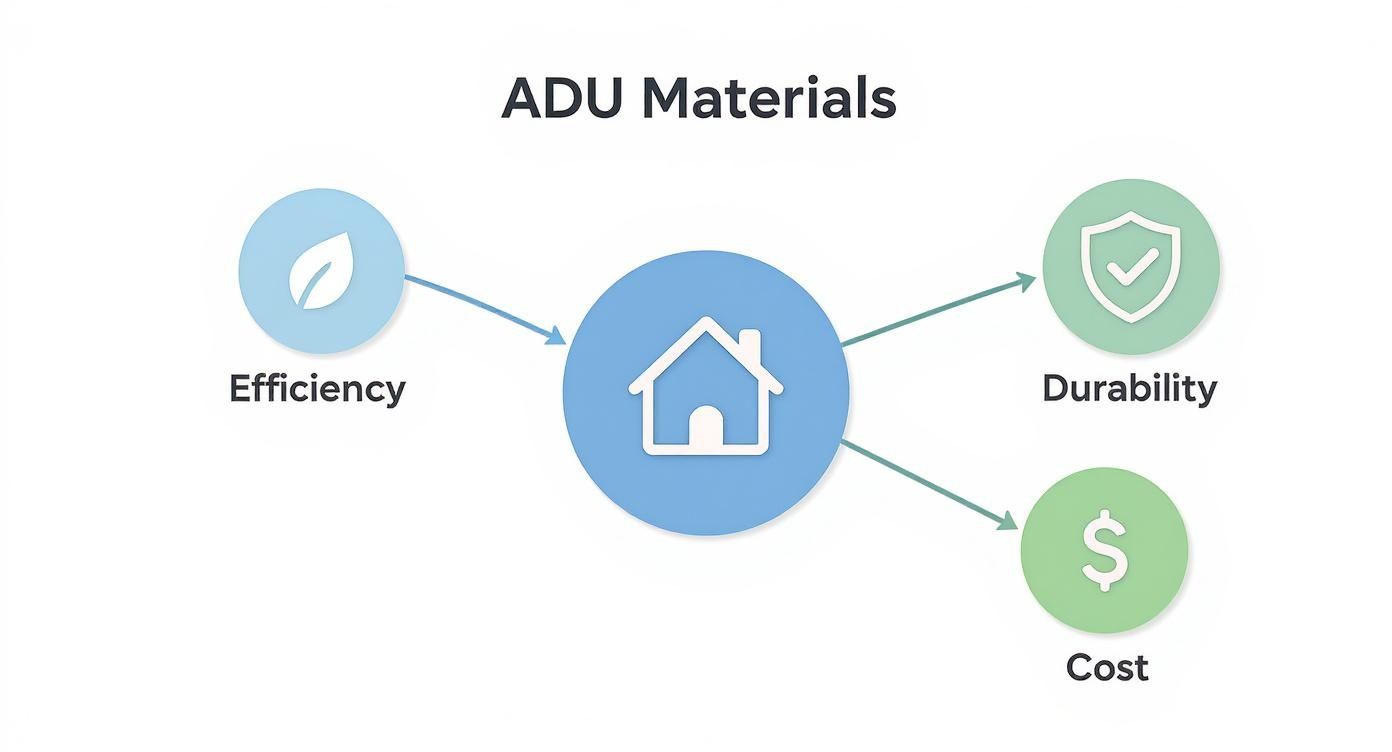
Building an Accessory Dwelling Unit (ADU) involves many moving parts, from permits to floor plans. But the most important step for long-term quality is choosing the right materials from the start. Your material selections lay the foundation for your ADU's energy costs, comfort, and durability.
This guide makes ADU planning straightforward. We focus on high-impact material choices that deliver exceptional energy efficiency for your backyard home.
Why Smart Material Choices Matter for Your Bay Area ADU
ADUs are booming across Berkeley, Oakland, and the greater Bay Area. They offer smart solutions for housing family, creating rental income, or adding flexible space. A truly successful ADU project, however, is about more than getting plans approved.
The secret to a high-value and comfortable ADU lies in smart material planning. California's energy codes are among the toughest in the nation. Building an energy-efficient ADU is a requirement that directly impacts your wallet and quality of life.
Lowering Long-Term Costs
Some energy-efficient materials may have a higher upfront cost, but this investment pays you back repeatedly. A well-insulated ADU with high-performance windows needs a smaller, less expensive HVAC system. This means drastically lower monthly utility bills for decades.
This forward-thinking approach is a core part of green building. To learn more, read our guide on what is sustainable building and how these concepts are changing modern construction.
Creating a Healthier, More Comfortable Space
Energy-efficient materials do more than save you money. They create a living environment that is genuinely more comfortable and healthier for its occupants.
An airtight, well-insulated structure prevents drafts and keeps indoor temperatures consistent. This is a huge benefit in the Bay Area, where microclimates swing from foggy San Francisco mornings to hot inland afternoons. Better air sealing and ventilation also improve indoor air quality, helping to prevent mold and keeping pollutants out.
Meeting and Exceeding California's Building Codes
Navigating building codes can be stressful. California's Title 24 energy standards are famously strict, ensuring every new home is efficient and responsible.
The good news is that selecting the right materials makes compliance much smoother. Choosing high-performance products from the start helps you meet today's requirements. It also future-proofs your investment, ensuring your ADU remains valuable for years to come.
Key Material Choices for an Energy-Efficient ADU
| Material Category | Primary Benefit | Key Consideration |
|---|---|---|
| Building Envelope | Reduces heating/cooling demand | Airtightness and continuous insulation are critical. |
| Windows & Doors | Minimizes heat loss/gain | U-factor and SHGC ratings must match Bay Area climate needs. |
| Roofing & Cladding | Reflects solar heat | "Cool roof" materials significantly lower cooling loads in Oakland and Berkeley. |
| HVAC & Ventilation | Provides efficient comfort | Properly sized, high-efficiency systems prevent energy waste. |
| Moisture Control | Ensures durability & air quality | A robust weather-resistive barrier (WRB) is non-negotiable. |
| Sustainable Materials | Reduces environmental impact | Look for recycled content, low-VOCs, and local sourcing from a Berkeley building materials supplier. |
Designing a High-Performance Building Envelope
Think of the building envelope as your ADU’s protective shell. It includes the walls, roof, foundation, and insulation all working together. A well-designed envelope is the most important factor for energy efficiency and comfort.
A high-performance envelope keeps conditioned air in and outside weather out. This means building a structure that is both highly insulated and extremely airtight. These are non-negotiable requirements under California's Title 24 energy standards.
Benefits of Advanced Framing Techniques
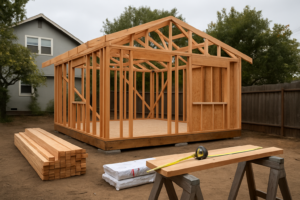
Traditional wood framing can be surprisingly inefficient. Every stud in a wall creates a path for heat to escape, a phenomenon called thermal bridging. Advanced framing techniques are smart adjustments that reduce the amount of lumber used without sacrificing structural integrity.
This approach boosts the wall's overall insulation and saves money on lumber. Common methods include:
- Wider stud spacing: Using 2×6 studs spaced 24 inches on center instead of 2x4s at 16 inches creates larger cavities for more insulation.
- Insulated headers: Swapping solid wood headers over windows with insulated versions reduces heat loss.
- Single top plates: Using one top plate instead of two reduces lumber and makes more room for insulation.
Choosing the Right Insulation for the Bay Area
Insulation is the powerhouse of your building envelope, measured by its R-value. For builders in Berkeley and Oakland, picking the right type is key. Our team can help you dig deeper into understanding R-value for insulation to make the best choice.
Modern ADUs benefit from several high-performance options:
- Mineral Wool: This material is fire-resistant, repels moisture, and offers excellent soundproofing—a huge plus for backyard homes.
- Spray Foam: When professionally applied, spray foam creates an air barrier and insulator in one step, sealing tiny energy-wasting gaps.
- Rigid Foam Boards: We often use these on the exterior sheathing to create a layer of continuous insulation, which is one of the best ways to stop thermal bridging.
The Importance of an Airtight Seal
You can have the best insulation, but if your ADU has tiny air leaks, you're throwing money away. Creating an airtight structure is non-negotiable for meeting modern energy codes. We achieve this with a continuous air barrier, like a specialized house wrap that is carefully taped at all seams.
This focus on tighter building envelopes is a big deal. According to Energy Star, proper sealing and insulation can save homeowners up to 15% on heating and cooling costs.
Building Faster and Smarter with SIPs
For Bay Area builders and homeowners, Structural Insulated Panels (SIPs) are a game-changer. SIPs offer a fast, modern, and highly efficient way to build, streamlining the entire process compared to traditional stick-framing.
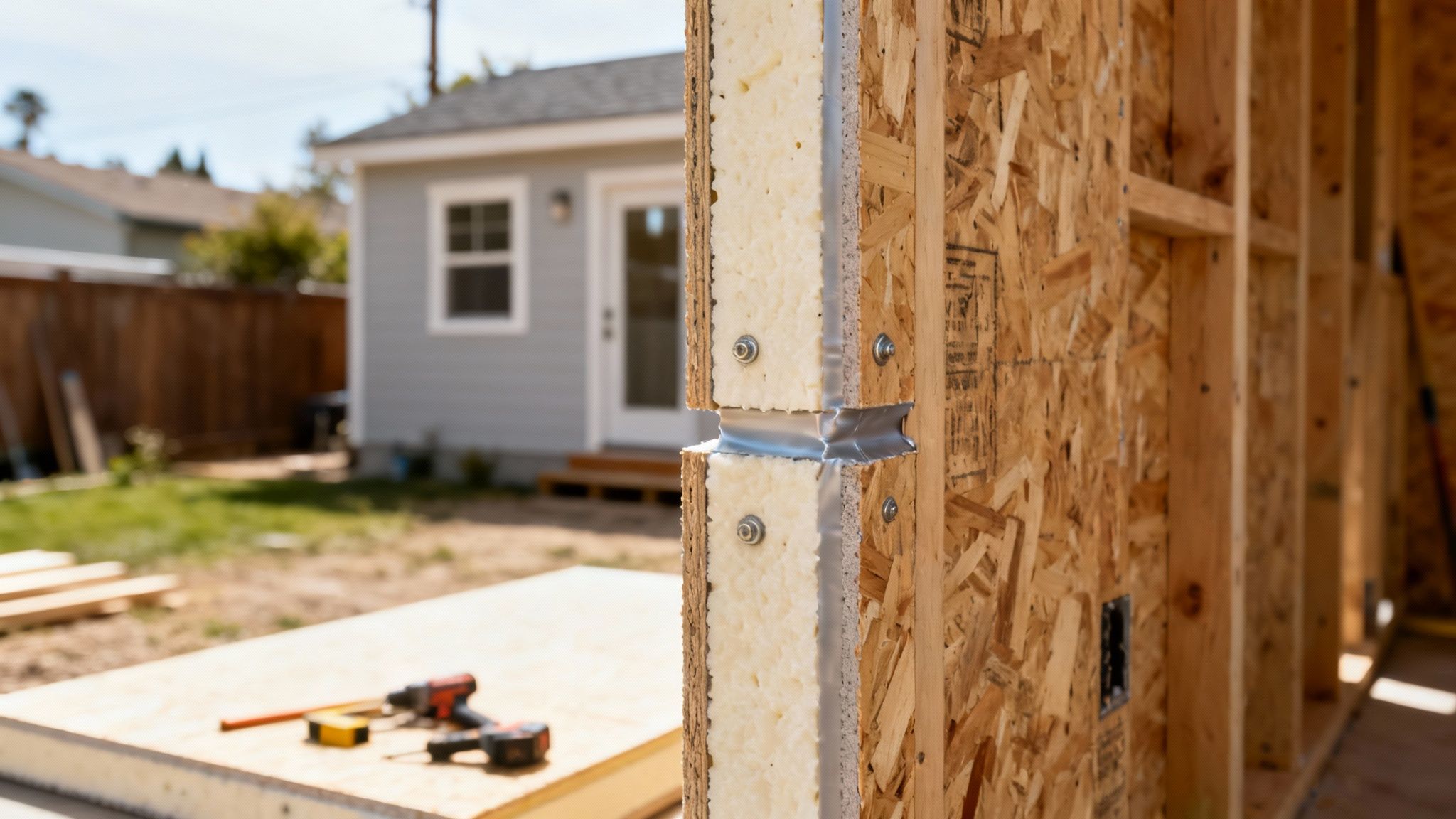
SIPs are pre-fabricated panels made from a core of rigid foam insulation pressed between two structural boards. This design creates an incredibly strong and well-insulated component for walls, roofs, and floors. Because they are made in a factory, SIPs arrive at your Berkeley or Oakland job site ready to install, which cuts down construction time.
The Power of an All-in-One System
The magic of SIPs is their all-in-one nature. A single panel delivers structural framing, insulation, and sheathing. This combines three construction steps into one efficient package, which is a big advantage for ADUs where space and budget are tight.
One of the biggest benefits is creating an incredibly airtight building envelope. Since there are far fewer joints and no studs to create thermal bridging, ADUs built with SIPs can be up to 15 times more airtight than stick-built homes. This means less energy escapes, leading to significant savings on heating and cooling bills.
For contractors, faster build times mean lower labor costs. For homeowners, it means enjoying your new backyard home sooner with lower energy bills. The performance of SIPs help achieve zero net carbon status in California ADUs.
Why SIPs Are Ideal for Bay Area ADUs
Building in the Bay Area presents unique challenges, from tight lots in San Francisco to the varied microclimates of the East Bay. Here’s why SIPs are a smart choice for local ADU projects:
- Superior Energy Performance: High R-values and minimal air leakage help you easily meet California's tough Title 24 energy codes.
- Faster Construction: With fewer pieces to assemble, framing can often be done in days, not weeks.
- Less Job Site Waste: Because panels are pre-cut, there’s significantly less material waste.
- Predictable Quality: Factory manufacturing ensures every panel is built to precise standards.
For a deeper dive, check our resource on what are structural insulated panels in our builder’s guide. Our experts at Truitt & White can help determine if SIPs are the right fit for your ADU project.
Selecting High-Performance Windows and Doors
In a small ADU, windows and doors are fundamental to energy performance and comfort. The right choices manage natural light and ventilation, making your backyard home feel bright and airy.
This is especially true in the Bay Area. High-performance windows and doors are engineered to keep your ADU cozy during a foggy Berkeley winter and cool through a hot Oakland summer. They are a critical investment in keeping energy bills low.
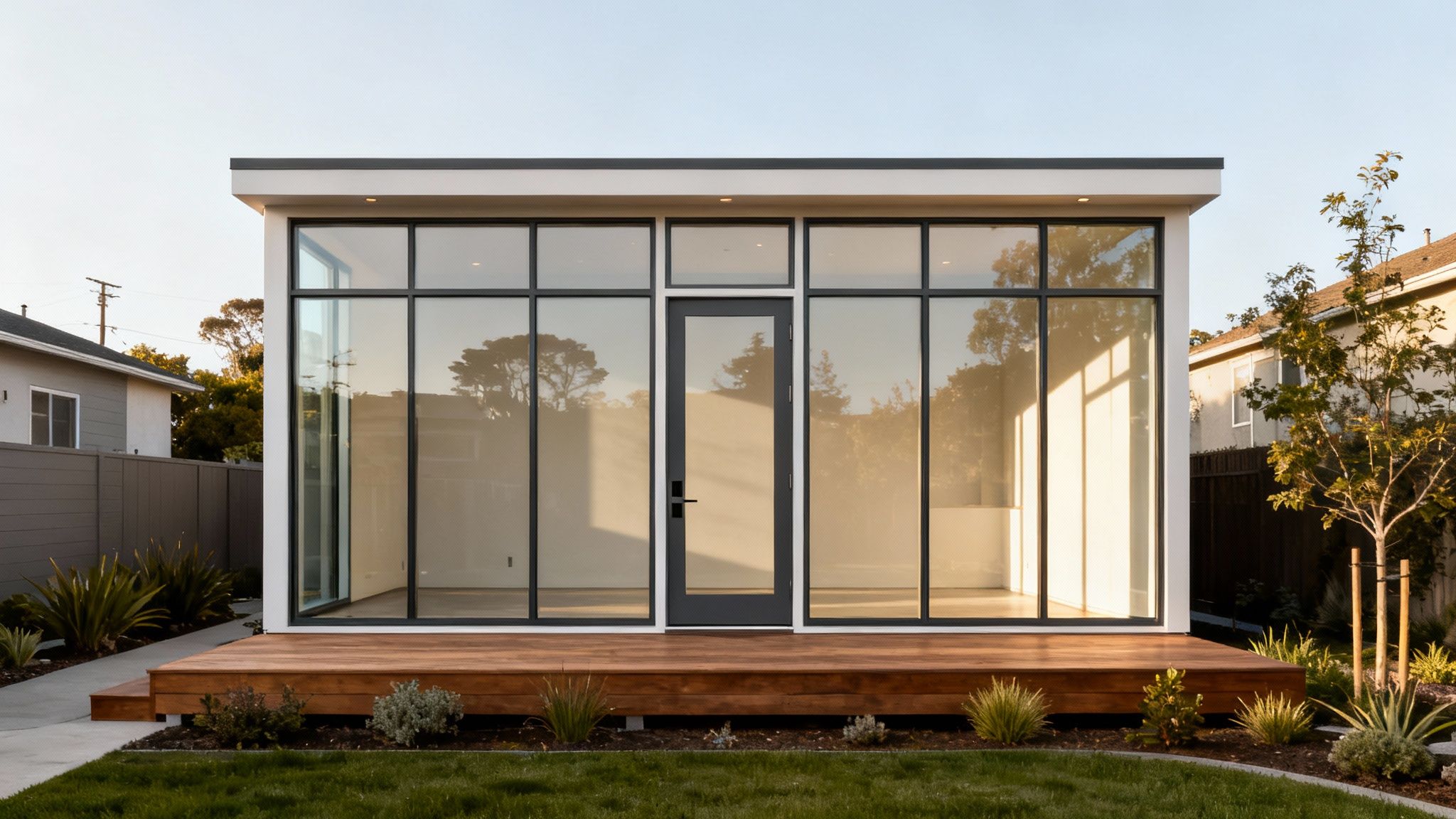
Benefits of Energy-Efficient Windows in the Bay Area
When shopping for windows, you’ll see two key ratings on the NFRC (National Fenestration Rating Council) label. Understanding these numbers is essential for meeting California’s Title 24 energy code.
- U-Factor: This number tells you how well a window insulates. The lower the U-factor, the better it is at keeping heat inside your ADU on a cool day.
- Solar Heat Gain Coefficient (SHGC): This measures how much of the sun's heat passes through the glass. A lower SHGC is better for blocking intense sun and preventing your ADU from overheating.
For most Bay Area climates, look for a low U-factor and a low SHGC. This combination is your ticket to year-round efficiency.
Choosing the Right Frame Material
The material of your window frames impacts their durability, maintenance, and insulation. Each option offers something different for an ADU project.
- Vinyl: This is an affordable and low-maintenance choice. Modern vinyl windows offer good energy performance and hold up well against moisture.
- Fiberglass: Known for its strength, fiberglass won't rot or warp. It offers fantastic insulation, making it a premium choice for long-term performance.
- Wood and Clad-Wood: Wood frames are excellent natural insulators. Clad-wood windows offer the classic look of wood inside with a durable aluminum or vinyl shell outside.
Our team at Truitt & White can walk you through the pros and cons of each material at our Berkeley showroom.
Glazing Options for Bay Area Climates
For any California ADU, double-pane windows with a low-E (low-emissivity) coating are the standard. This invisible metallic coating reflects heat, keeping your space warmer in the winter and cooler in the summer.
In areas with intense sun or for homeowners seeking peak efficiency, triple-pane windows offer even higher insulation. To help you decide, our guide covers the best windows for energy efficiency for our unique Bay Area climate.
Powering Your ADU with All-Electric Systems
As California moves toward a carbon-neutral future, all-electric ADUs are becoming the gold standard. Ditching natural gas for high-efficiency electric systems is a smart move for any ADU project in the Bay Area. It unlocks long-term savings and healthier indoor air.
The hero of this shift is the modern heat pump. Heat pumps don't create heat by burning fuel; they simply move it. In winter, they pull warmth from the outside air and transfer it inside. In summer, they reverse the process to keep your ADU cool.
Why Heat Pumps Are a Game Changer for ADUs
Because they move heat instead of creating it, heat pumps are incredibly efficient. The U.S. Department of Energy finds they can be three to four times more efficient than a typical furnace. This translates directly into lower utility bills.
For a compact ADU, going all-electric brings powerful advantages:
- Cleaner Indoor Air: No gas combustion means no risk of carbon monoxide or other fumes.
- Smaller Carbon Footprint: An all-electric ADU seriously shrinks your project's environmental impact.
- Simpler Construction: Running a single utility (electric) can streamline the build and permitting process.
Right-Sizing Your Systems for a Small Footprint
Sizing HVAC systems is critical in a small, tightly sealed ADU. An oversized system will cycle on and off constantly, which wastes energy and wears out the equipment too fast. A correctly sized heat pump runs longer at a steadier pace, which is far more efficient.
With ADUs making up nearly 20% of new housing in California, according to the Terner Center for Housing Innovation, this all-electric approach is a direct line to hitting the state's climate goals. You can learn more about how all-electric ADUs are shaping sustainable construction trends in the Bay Area.
Choosing Durable and Sustainable Exteriors
An ADU's exterior is its first line of defense. In the Bay Area, materials must be tough enough to handle everything from salty air to intense summer sun in Oakland. A durable, low-maintenance exterior protects your investment and plays a key role in energy performance.
Keep It Cool with High-Performance Roofing
In a sunny climate, an ADU's roof can absorb a lot of heat. Cool roof technology is a powerful solution. These roofs use materials that reflect more sunlight and absorb less heat.
According to the California Energy Commission, a cool roof can lower roof temperatures by up to 50°F. This significantly cuts down the energy needed to keep the interior comfortable.
Consider these popular cool roof options:
- Metal Roofing: Highly durable and excellent at reflecting solar heat.
- Composite Shingles: Many modern asphalt shingles now have granules that reflect solar energy.
- Tiles: Concrete and clay tiles have natural thermal properties that help keep homes cooler.
Selecting the Right Siding for Bay Area Conditions
Siding is just as important as the roof. It must resist moisture, help insulate, and stand the test of time. For Bay Area ADUs, durability and moisture resistance are top priorities.
Here are a few top contenders that balance performance and aesthetics:
- Fiber Cement: A Bay Area favorite, it’s fire-resistant, impervious to termites and rot, and low-maintenance.
- Stucco: A classic choice for California, modern stucco systems offer excellent durability.
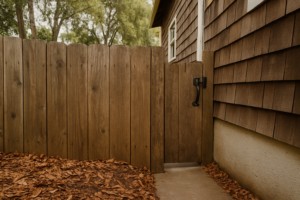
- Wood Siding: For a natural look, nothing beats real wood. For sustainable options, check out this expert guide to eco-friendly lumber in the East Bay.
Frequently Asked Questions About ADU Materials
1. What is the most important material choice for ADU energy efficiency?
The building envelope—which includes your insulation, framing, and air sealing—is the most critical factor. High-performance systems like Structural Insulated Panels (SIPs) or advanced framing with continuous exterior insulation offer the biggest return. They slash long-term heating and cooling costs.
2. Are energy-efficient materials significantly more expensive?
Some high-performance materials have a higher upfront cost, but they are a long-term investment. They pay for themselves through lower utility bills and allow for a smaller, less expensive HVAC system. For builders near Oakland, faster construction from systems like SIPs can also lead to significant labor savings.
3. How do I choose the right windows for the Bay Area climate?
For the Bay Area's varied microclimates, you need windows that both retain heat and block unwanted sun. Look for a low U-factor to keep your ADU warm and a low Solar Heat Gain Coefficient (SHGC) to block summer heat. Quality double-pane windows with a low-E coating are an excellent all-around choice.
4. Why is an all-electric ADU a better choice than using gas?
Going all-electric improves indoor air quality by eliminating combustion byproducts. Modern electric heat pumps are also far more efficient than gas appliances, leading to lower monthly bills. An all-electric ADU is a healthier, more cost-effective, and future-proof choice for your Bay Area property.
5. Where can I find expert advice on Berkeley building materials for my ADU?
A local, knowledgeable supplier is your best resource. Unlike big-box stores, a dedicated lumberyard like Truitt & White provides tailored guidance on materials that meet local codes and climate demands. Our team understands the nuances of building in Berkeley, Oakland, and the surrounding areas.
Ready to start your ADU project? The team at Truitt & White has helped Bay Area builders and homeowners make smart choices for decades. Visit our Berkeley showroom for expert advice or connect with our experts today.