
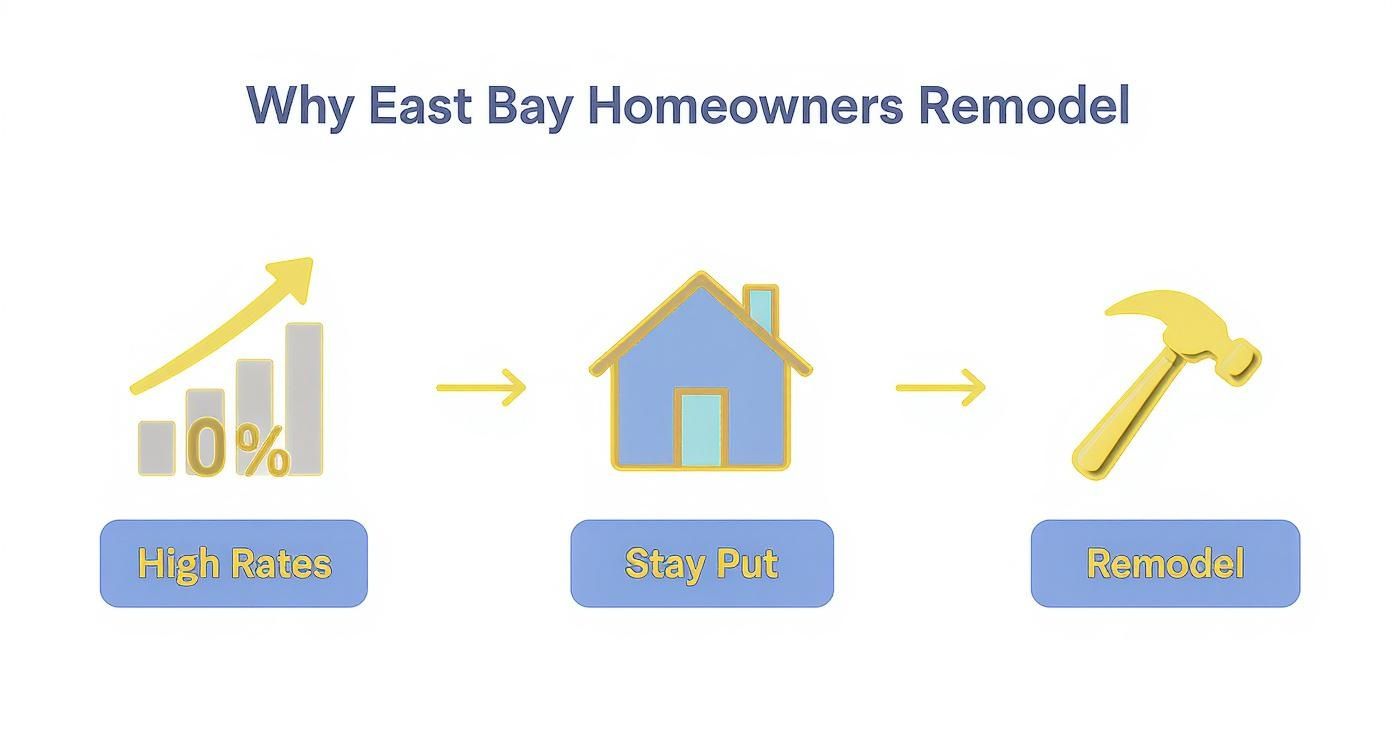
High interest rates and a volatile housing market mean that for many East Bay homeowners, staying put and remodeling is the smartest move. This approach lets you improve your current living space and increase your property value. You can tailor your home to your life without entering the competitive local real estate market.
Why More Bay Area Homeowners Are Choosing to Remodel
From Berkeley to Oakland, a clear trend is emerging. Homeowners are investing in their current properties instead of moving. This is a strategic decision based on financial sense and the desire for a home that truly fits their needs.
With current home prices and fluctuating interest rates, moving can be a major financial risk. For many, the math doesn't add up. Instead of taking on a larger mortgage at a higher rate, they use home equity to create their dream house where they already live.
Local Market Dynamics and Homeowner Trends
The East Bay housing market is complex and unpredictable. This reinforces why remodeling is an appealing alternative. Some neighborhoods see sharp increases in home values while others dip, creating a tough environment for buyers and sellers.
Recent data shows that despite national trends, remodeling in the Bay Area remains strong. A significant 56% of homeowners undertook projects in the past year. This reflects a regional shift toward improving existing homes due to market constraints.
Adapting Your Home for Modern Lifestyles
Beyond finances, remodeling is about how we use our homes. The need for functional, flexible spaces has never been greater. Homeowners are adapting their homes to fit evolving lifestyles.
Common remodeling goals in the Bay Area include:
- Creating a dedicated home office for remote work.
- Improving indoor-outdoor flow to take advantage of the California climate.
- Upgrading for energy efficiency with new windows and doors to lower utility bills.
- Modernizing kitchens and bathrooms for better daily life and a strong return on investment.
This trend is about creating a sanctuary that reflects personal style and priorities. As our lives evolve, our homes must adapt. You can learn about how home life is evolving in our detailed guide.
Remodeling allows you to customize your home to fit your life, not the other way around. It's an investment in your comfort, happiness, and financial future.
Ultimately, the choice to remodel is about taking control. It is a proactive step to improve your quality of life, build equity, and create a home that serves your family for years to come.
Planning Your High-Impact East Bay Renovation
Deciding to remodel is the first step. Building a solid plan is where the work begins. To remodel smarter in the East Bay, your project needs a clear vision, a realistic budget, and an understanding of local requirements.
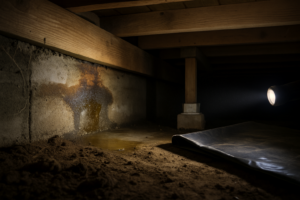
First, define your project's scope. Are you adding an Accessory Dwelling Unit (ADU)? Or converting a spare room into a home office? For many older homes in Berkeley and Oakland, seismic retrofits are a top priority for safety.
Building a Realistic Budget for Your Remodel
Once your goals are clear, it's time to budget. A budget for an East Bay remodel must account for factors specific to our area. Skilled labor rates and the cost of quality building materials are often higher here.
To create an accurate budget, focus on these key areas:
- Material Costs: Research prices for major items like windows, doors, and lumber. Premium, energy-efficient options may cost more upfront but save you money on utility bills long-term.
- Labor Estimates: Get multiple quotes from licensed local contractors. Bids should break down labor costs for each phase.
- Permit Fees: Include the cost of permits from your city’s building department.
- Contingency Fund: Always set aside 15-20% of your total budget for unexpected issues, especially when renovating older homes.
For inspiration on what's possible, check out these inspiring before and after room makeovers.
Navigating Local Permits and Building Codes
The permitting process in East Bay cities like Berkeley and Oakland is essential. These regulations ensure your project is safe, compliant, and meets California’s energy efficiency standards. Skipping this step can lead to large fines and legal issues.
Your contractor or architect should be an expert in local requirements. However, it's smart for homeowners to understand the basics. For example, replacing windows often requires a permit to ensure they meet current energy codes.
Pro Tip: Start the permitting process as early as possible. Submitting applications well in advance can prevent delays to your project timeline.
Phasing Your Remodel for Success
Not every renovation has to happen at once. Phasing your project—breaking it into smaller stages—can make the process more affordable and less disruptive. This strategy lets you focus your budget on critical improvements first.
A common phasing strategy might look like this:
- Phase 1: Structural and Exterior. Tackle foundational work, seismic retrofitting, a new roof, and replacing old windows and exterior doors first.
- Phase 2: High-Use Interior Spaces. Next, focus on rooms you use most, like the kitchen and bathrooms.
- Phase 3: Finishing Touches. Finally, address cosmetic upgrades like new flooring, interior painting, and landscaping.
This staged approach makes a large renovation more achievable. Our guide to creating a home renovation timeline can help you plan.
Choosing the Right Materials for Your East Bay Home
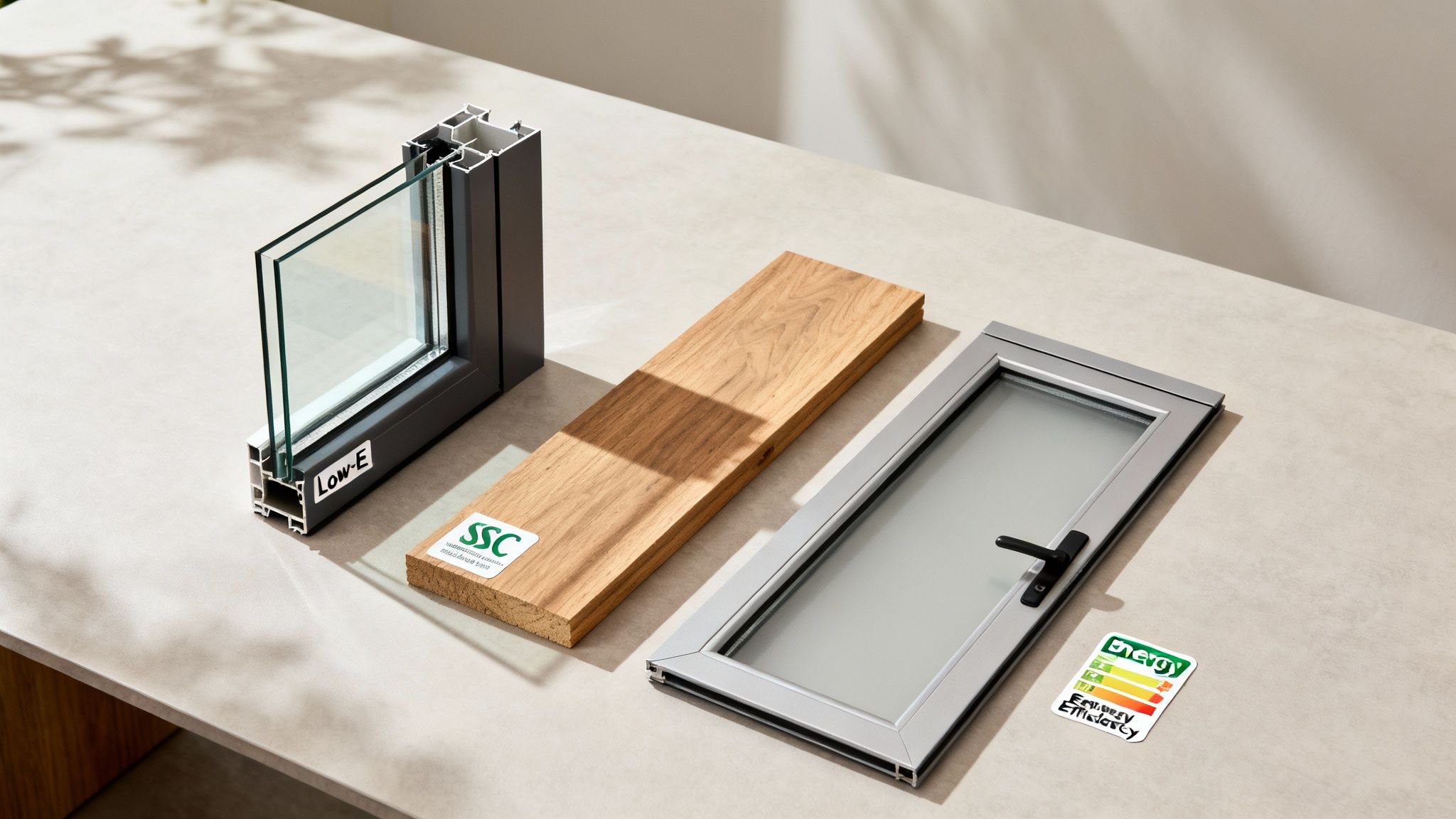
The materials you choose deliver comfort, performance, and lasting value in our unique East Bay climate. Investing in high-quality components is key to a successful project. It's about choosing materials engineered to handle the Bay Area's challenges, from foggy mornings in Berkeley to hot days inland.
Benefits of Energy-Efficient Windows in the Bay Area
Windows are a critical investment in any remodel. In older East Bay homes, single-pane windows are a major source of energy loss. Upgrading to modern, high-performance windows is a smart choice.
For our region, two features are essential:
- Dual-Pane Glass: Two panes of glass create a thermal barrier. This reduces heat transfer, keeping your home warmer in winter and cooler in summer.
- Low-E (Low-Emissivity) Coatings: This thin, transparent coating reflects heat. It keeps the sun's heat out in the summer and your home's heat in during the winter.
According to ENERGY STAR®, replacing single-pane windows with certified models can save homeowners an average of $101–$583 a year. These upgrades are also essential for meeting California's strict energy codes.
Doors That Enhance Security and Style
Doors set your home's character and provide security. A high-quality entry door can transform your curb appeal. A well-designed patio door can redefine how you use your living space.
A new front door made from fiberglass or solid wood offers better insulation and security than older models. Modern sliding or French patio doors with dual-pane, Low-E glass create an efficient transition to your backyard. These are key upgrades for popular indoor-outdoor living spaces in the East Bay.
Choosing a high-performance entry door is one of the quickest ways to boost curb appeal. It's a small change that delivers a big impact.
Durable Lumber for Bay Area Projects
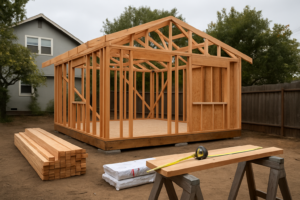
The structural integrity of your remodel depends on the quality of the lumber. For additions and decks, choosing the right wood is critical to withstand the Bay Area's moisture and seasonal changes. Using cheaper materials can lead to warping and rot.
Sustainable options like Forest Stewardship Council (FSC) certified lumber are an excellent choice. FSC certification guarantees the wood comes from responsibly managed forests. This is better for the environment and a mark of quality.
Boosting Energy Efficiency and Sustainability
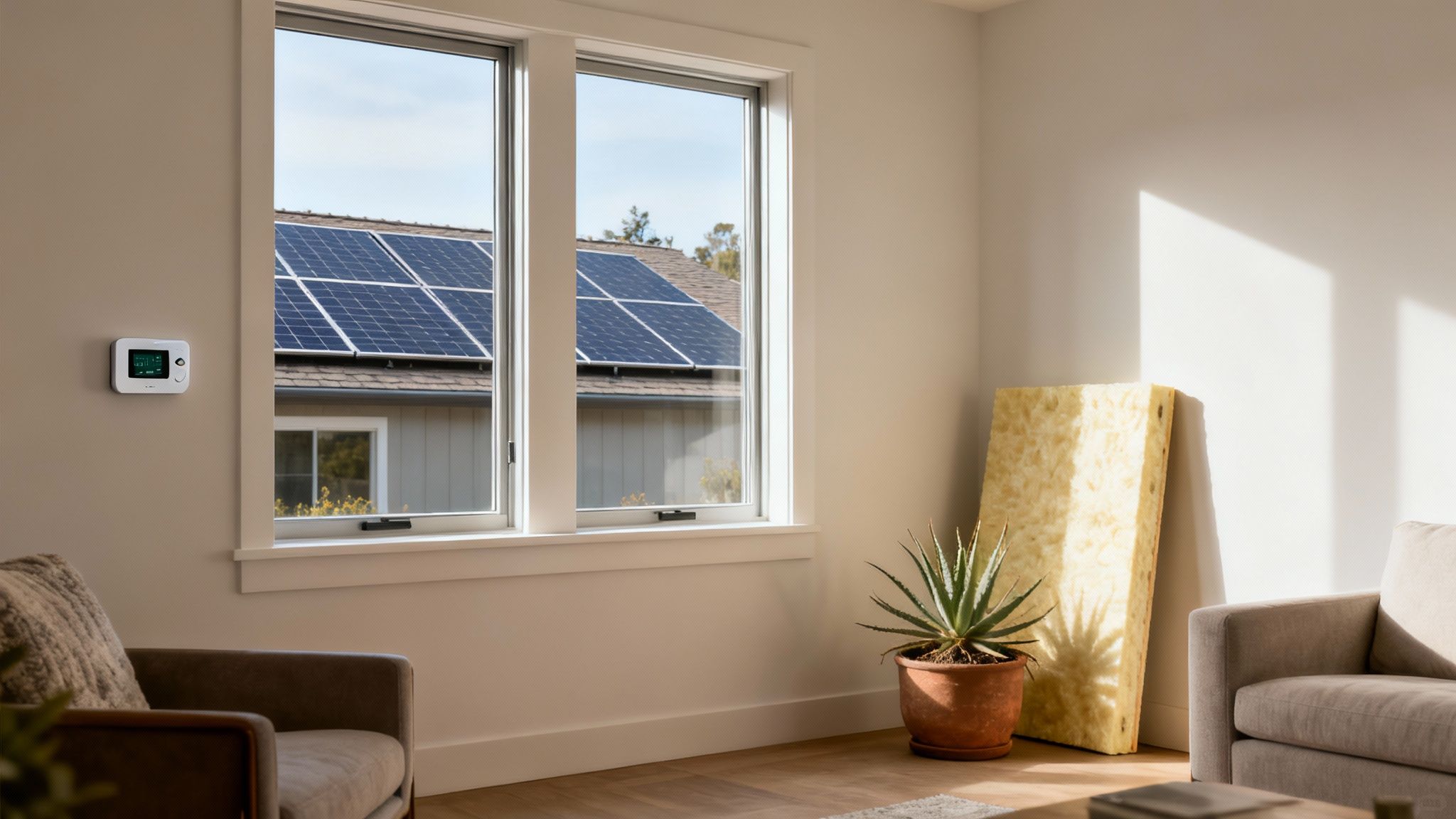
For many in the Bay Area, remodeling is about creating a greener, more comfortable home. An energy-efficient renovation lowers utility bills and adds long-term value to your property. This focus on smarter living is a key driver behind local renovation trends.
High-Impact Upgrades for a Greener Home
You can improve your home's performance by focusing on a few key areas. Start with your home’s "envelope"—the windows, doors, and insulation. In older East Bay homes, leaky windows are often the biggest source of energy loss.
Here are a few of the most effective upgrades:
- ENERGY STAR® Certified Windows and Doors: These products meet strict EPA efficiency guidelines. They use technology like Low-E coatings to keep your home comfortable year-round.
- Modern Insulation: Adding or upgrading insulation in your attic and walls is a cost-effective way to improve comfort and cut energy costs.
- Sustainable Lumber Choices: Using materials like FSC-certified wood ensures your project is both durable and environmentally responsible.
To learn more, read our guide on what sustainable building really means for your project.
Leveraging Local Rebates and Incentives
You don't have to pay for green upgrades all by yourself. Local, state, and federal programs offer rebates and tax credits. These incentives help homeowners invest in energy-efficient improvements.
For instance, BayREN (Bay Area Regional Energy Network) often provides rebates for installing high-efficiency water heaters and better insulation. Purchasing ENERGY STAR® rated windows or doors can also qualify you for federal tax credits.
Researching available incentives before you start can make your renovation budget go further. It turns a smart environmental choice into an even smarter financial one.
Your contractor or a supplier like Truitt & White can help you navigate these programs. For more ideas, see these practical tips to make your home energy efficient.
Finding the Right Partners for Your Project
A successful remodel is built on a strong team. Finding the right partners—from contractors and architects to your material supplier—is crucial. These professionals will turn your vision into a reality.
Assembling your team requires careful thought. A great contractor brings craftsmanship, while an architect ensures your design is sound. Your building material supplier provides the products and the deep local knowledge needed to succeed.
Assembling Your Remodeling A-Team
First, you need a licensed and insured contractor with a strong track record in your area. A good local contractor understands our homes, from older foundations to complex city permits. Always ask for references and look at their previous work.
For larger projects, an architect is invaluable. They help you maximize space and create the detailed plans required for permits. The collaboration between you, your contractor, and your architect is the foundation of a smooth project.
A great partnership is built on clear communication and a shared commitment to quality. Find professionals who align with your vision.
Understanding Local Costs and Realities
Budgeting for a remodel in the Bay Area involves more than material costs. Labor is a significant part of any renovation budget. It is critical to have a realistic grasp of local rates.
Skilled labor costs remain high due to strong demand. You can explore a deeper analysis of these 2025 Bay Area home improvement financial trends to inform your planning. Careful budgeting and contractor selection are more important than ever.
The Role of Your Berkeley Building Materials Supplier
Your material supplier can make or break your project. A knowledgeable supplier like Truitt & White does more than sell you windows and lumber. We are a vital resource for you and your contractor.
An experienced supplier can offer:
- Expert Product Guidance: We help you select the right materials for your performance needs and budget.
- Code Compliance Knowledge: We ensure your materials meet California's strict building and energy codes.
- Logistical Support: We coordinate timely deliveries to keep your project on schedule.
At Truitt & White, our team works closely with homeowners, contractors, and architects every day. We understand the challenges of remodeling in Berkeley and the East Bay because we live and work here too. We aim to be a dedicated partner in your project's success.
Frequently Asked Questions About East Bay Remodeling
What remodeling projects offer the best ROI in the East Bay?
Projects that boost function and curb appeal typically offer the best return. Upgrading to energy-efficient windows and doors lowers utility bills and increases home value. Kitchen and bathroom remodels also provide a strong return on investment.
How do I know if my remodel requires a permit?
In cities like Berkeley and Oakland, most projects beyond cosmetic updates require a permit. This includes structural changes, window replacements, and electrical or plumbing work. Always check with your city's building department before starting any work.
Why is choosing a local building material supplier important?
A local supplier brings invaluable regional expertise. A lumberyard near Oakland like Truitt & White understands the unique challenges of remodeling in the East Bay. We provide tailored advice on materials that will last in our climate and meet local codes.
How can I make my older East Bay home more energy-efficient?
Replacing old, single-pane windows with modern, dual-pane, Low-E models is the most effective upgrade. Upgrading exterior doors and adding insulation also improve your home's energy efficiency. These changes lower energy bills and make your home more comfortable.
What should I look for when hiring a contractor?
Start by verifying that the contractor is licensed and fully insured. Ask to see a portfolio of their recent work and check their references. Ensure they have experience with the permitting process in your city and always get a detailed, written contract.
Planning a remodel in the East Bay? Stop by our Berkeley showroom or contact the expert team at Truitt & White to explore smart, lasting upgrades for your home. Visit us online to connect with our team and get your project started.