Building green in the Bay Area doesn't have to be expensive. With rising costs, many builders and homeowners think sustainable construction is a luxury. But thanks to smart materials and new incentives, building green in 2026 is more affordable than ever. It's a wise investment that adds long-term value to your property.
This guide outlines 5 ways to build greener in 2026 without breaking the bank. These tips focus on practical, budget-friendly ideas for builders, contractors, architects, and homeowners in Berkeley, Oakland, and the greater Bay Area.
Whether you're remodeling a classic home or starting a new build, these steps will help. You'll learn how to meet modern demands like Title 24 compliance and wildfire resilience. Let's explore how to build smarter, greener, and better.
1. Prioritize Energy-Efficient Windows to Meet 2026 California Codes
One of the best ways to build greener is to upgrade your windows. High-performance windows offer an immediate return on investment by lowering energy bills. They also make homes more comfortable.
ENERGY STAR certified windows are designed to keep your home warmer in winter and cooler in summer. This is especially important in the Bay Area, where California’s Title 24 energy code sets high standards for efficiency. Choosing compliant windows ensures your project passes inspection and saves money for years.
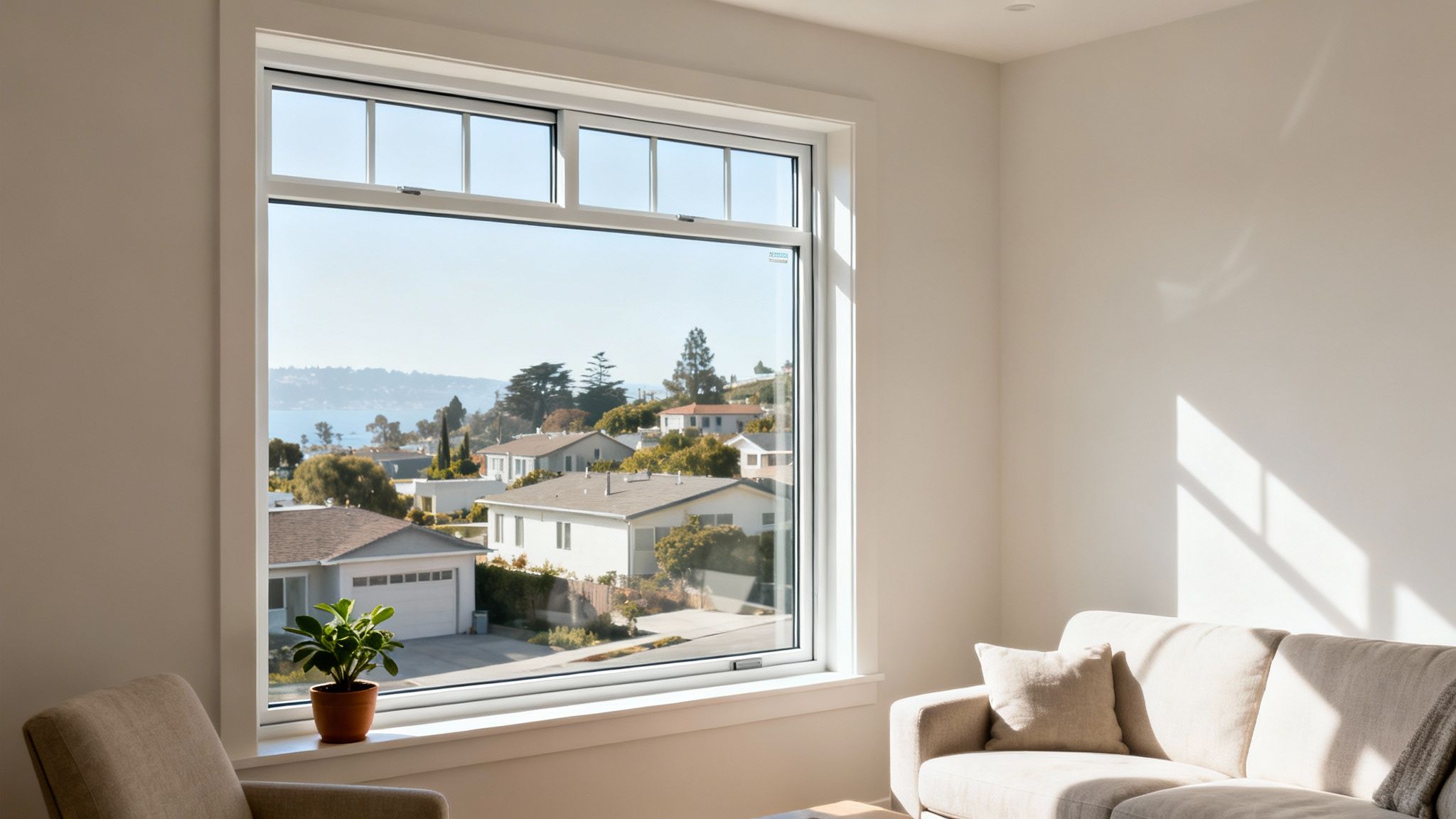
Benefits of High-Performance Windows in the Bay Area
New energy efficiency standards are driving demand for better window systems. According to ENERGY STAR, replacing old windows can save homeowners an average of 10-15% on annual heating and cooling costs.
Modern windows use advanced technology to achieve this.
- Double- or triple-pane glass creates insulating air pockets that reduce heat flow.
- Low-E (low-emissivity) coatings are thin metallic layers that reflect heat, keeping your home comfortable year-round.
- Insulated frames made from materials like fiberglass and vinyl prevent energy loss.
At Truitt & White, we offer energy-smart window options from trusted brands like Marvin and Andersen. To learn more, check out our guide on the best windows for energy efficiency.
2. Choose Sustainable Lumber That Supports Resilient Design
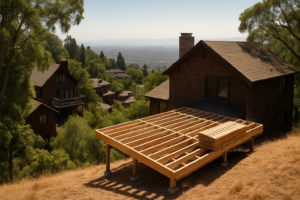
The materials you choose for framing are the foundation of a green building project. Using sustainable lumber is a powerful and affordable strategy. This includes using wood that is certified by the Forest Stewardship Council (FSC).
FSC-certified lumber ensures the wood comes from responsibly managed forests. This helps protect ecosystems and promotes biodiversity. Reclaimed wood is another great eco-friendly option for Bay Area homes.
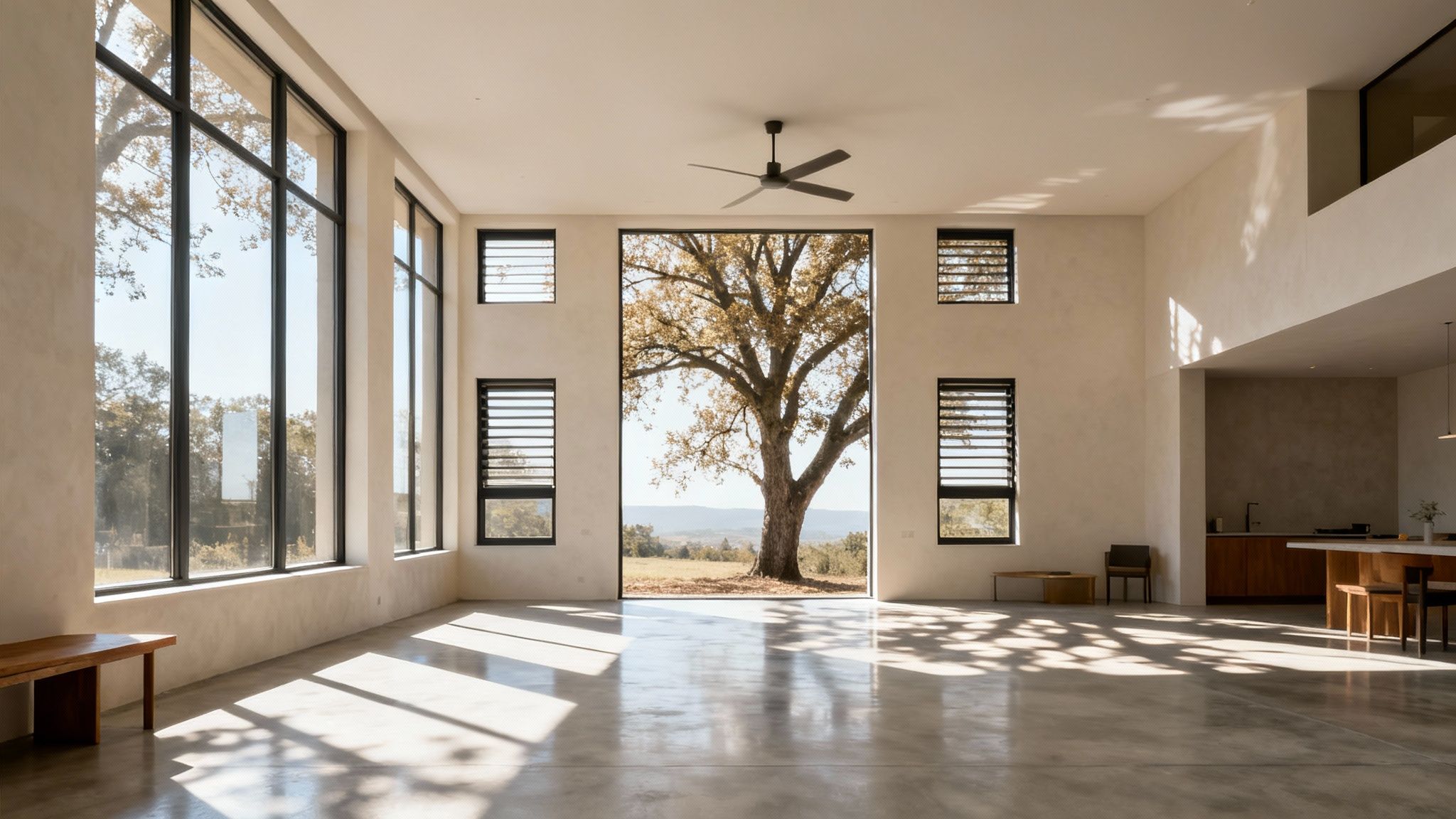
Why Eco-Certified Lumber is a Smart Choice
Many homeowners and contractors are choosing green building materials. Eco-certified lumber gives projects a sustainable edge and adds long-term value. This is perfect for homeowners who care about environmental responsibility.
The cost for certified lumber is often only slightly higher than for standard options. Sourcing these materials from a local lumberyard near Oakland, like Truitt & White, also reduces transportation emissions. It's a win for your project and the planet. For more details, explore our guide to eco-friendly lumber in the East Bay.
3. Plan Remodels That Add Value Without Relocation
High interest rates are encouraging more homeowners to stay in their current homes. A recent study found that 56% of homeowners are choosing to remodel instead of move. Smart upgrades can add significant value and performance to a home.
Focused improvements like new windows, doors, and fire-resistant siding are practical investments. They improve a home's efficiency, safety, and curb appeal. These upgrades are especially relevant for homes in Berkeley and the surrounding hills.
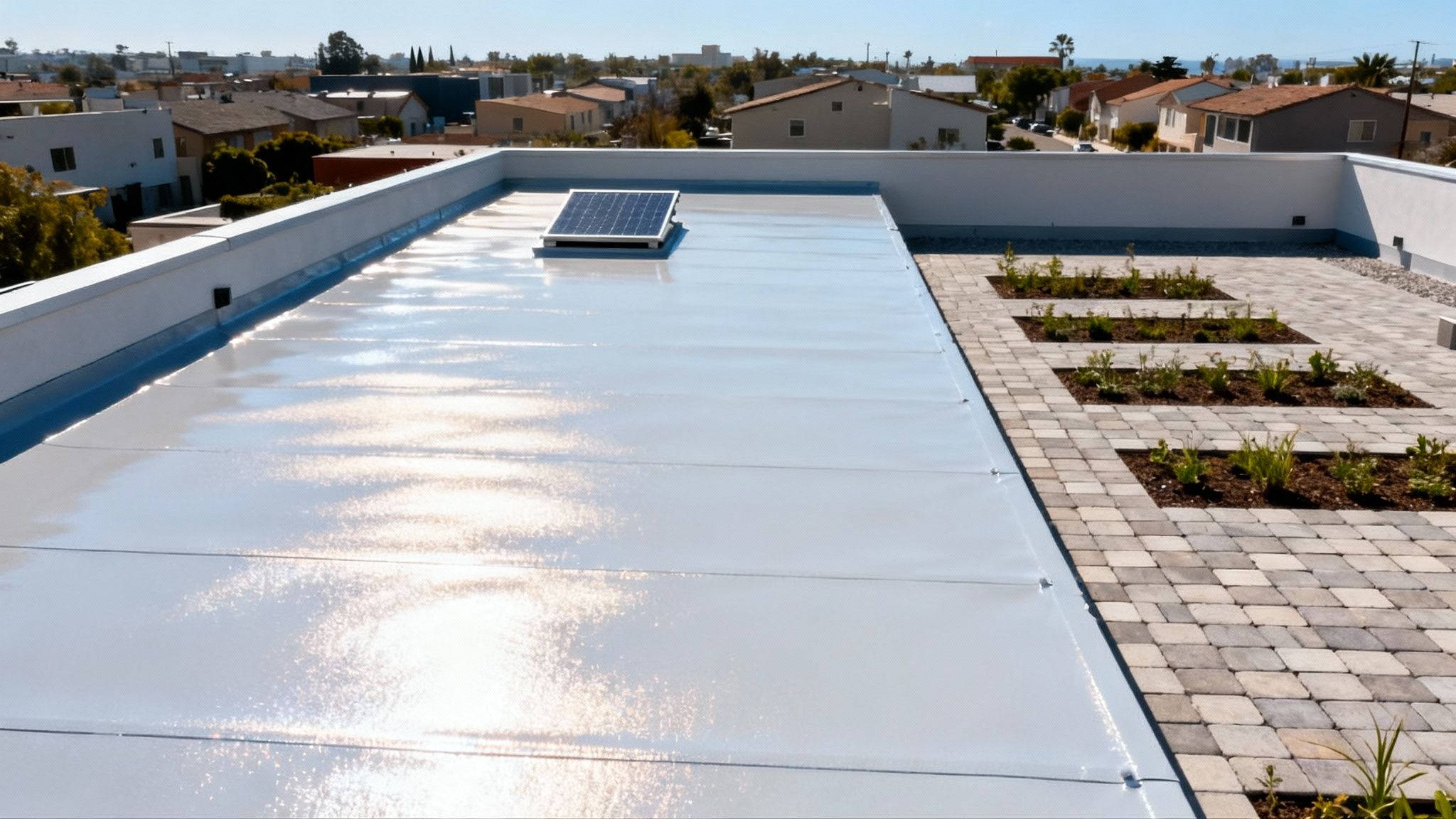
Smart Upgrades for Bay Area Homes
Remodeling allows homeowners to create a more comfortable and sustainable living space. This is often more cost-effective than buying a new home in the competitive Bay Area market.
Truitt & White helps contractors and homeowners choose the right materials for their remodels. We provide products that enhance both performance and property value. Our team can help you find solutions that fit your budget and goals.
4. Build for Wildfire Resilience With the Right Materials
In many parts of the Bay Area, fire-resistant construction is no longer optional. Building with wildfire resilience in mind is a critical part of green and responsible building. It protects properties and communities.
Products designed for these areas are in high demand. This includes Class A roofing, fire-rated siding, and tempered-glass windows. These materials are essential for projects in Wildland-Urban Interface (WUI) zones, which are common in the Berkeley and Oakland hills.
Key Materials for WUI Zones
Choosing the right materials can make a huge difference in a home's ability to withstand a wildfire.
- Class A roofing materials like metal, clay, or slate are non-combustible.
- Fire-rated siding made from fiber cement or stucco can resist ignition from embers.
- Tempered-glass windows are stronger and more resistant to breaking under extreme heat.
Truitt & White stocks a wide range of compliant materials. We also offer expert guidance for builders and contractors working in WUI zones. We can help you select the right products to meet local building codes and enhance safety.
5. Align Projects With 2026 Trends: Efficiency, Quality, and Local Expertise
The future of construction is focused on building smarter and greener. Top architects rank sustainable design, smart building technology, and modular construction as key trends for the next five years. Staying ahead of these trends is essential for success.
These trends prioritize efficiency, quality, and long-term performance. They reflect a growing demand for homes that are not only beautiful but also resilient and environmentally friendly. Local expertise is crucial for navigating these changes in the Bay Area.
How Truitt & White Supports Modern Building
Truitt & White is committed to supporting these forward-thinking goals.
- Our expert staff has deep local knowledge of Bay Area building codes and climate considerations.
- We offer premium materials that meet the highest standards for sustainability and performance.
- As a local business, we understand the unique challenges and opportunities of building in this region.
By partnering with a knowledgeable supplier, builders and architects can build smarter, greener, and better. We provide the resources and support you need to bring your vision to life.
Your Partner for Greener Building in the Bay Area
Building green in 2026 is about making smart, strategic choices. The 5 ways to build greener we’ve discussed are practical and affordable. They help you create buildings that are efficient, resilient, and valuable for years to come.
From energy-efficient windows that meet Title 24 codes to sustainable lumber, the right materials make all the difference. Remodeling with value in mind and building for wildfire resilience are also key. By embracing these trends, you can build a reputation for quality, forward-thinking work.
Serving Berkeley, Oakland, and the greater Bay Area, Truitt and White is your partner for sustainable building. We provide expert support and a wide selection of green building materials.
Frequently Asked Questions (FAQs)
1. What are the most cost-effective green building materials for a Bay Area remodel?
Energy-efficient windows and doors are a great starting point, as they offer significant energy savings. Low-VOC (volatile organic compound) paints and FSC-certified lumber are also affordable options that improve indoor air quality and sustainability.
2. How do I know if my building materials meet California's Title 24 energy codes?
Look for products with certifications like ENERGY STAR for windows and the Cool Roof Rating Council (CRRC) label for roofing. Your building material supplier, like Truitt & White, can provide documentation and guidance to ensure your selections are compliant.
3. Is sustainable lumber much more expensive than regular lumber?
The cost difference is often minimal. FSC-certified or reclaimed wood may have a slightly higher upfront cost, but it adds long-term value and meets the growing demand for eco-friendly homes. Sourcing from a local Berkeley building materials supplier can also help manage costs.
4. What is a WUI zone, and why is it important for Bay Area construction?
WUI stands for Wildland-Urban Interface, which is an area where homes are built near or among wildlands. Many parts of the Berkeley and Oakland hills are in WUI zones, requiring special fire-resistant building materials to improve safety and meet local codes.
5. Can I get financial incentives for building green in California?
Yes, several programs offer rebates and tax credits for green building. Federal tax credits are often available for installing high-efficiency windows, doors, and insulation. Check with local utility companies and the state of California for additional incentives.
Ready to put these green building strategies into action? From high-performance windows to FSC-certified lumber, Truitt and White is your dedicated local partner for sustainable materials and expert guidance. Visit our Berkeley showroom for expert advice or explore our resources online to get started on your next project.