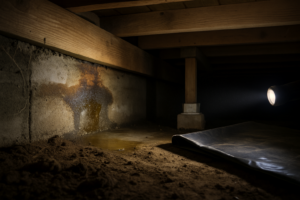

For builders and contractors in the Bay Area, the rainy season brings familiar challenges. The damp, fog, and rain from November through March can bring projects to a grinding halt. From San Francisco to the East Bay, our climate creates a specific set of problems.
Our winter battle is all about moisture management. Choosing the right materials from the start is the best way to protect your budget, timeline, and the quality of your build. This guide will help you prepare.
Why Your Building Materials Matter in a Bay Area Winter
When a jobsite is unprepared, a Bay Area winter can cause major issues. We have seen this happen many times.
The High Stakes of Winter Construction
Here are some common problems that happen when the wrong materials meet our wet season:
- Material Damage: Unprotected lumber soaks up moisture, which leads to warping and twisting. This can compromise your framing before the walls are even up.
- Costly Project Delays: Wet ground can stall foundation work. Rain also stops exterior work like roofing and siding, pushing back deadlines and increasing labor costs.
- Energy Inefficiency: Drafty windows or poor insulation become obvious when it gets cold. This leads to homeowner complaints and wasted energy.
These are not small problems; they can ruin budgets and schedules. A proactive approach to selecting winter-ready materials is a financial necessity. To see what happens when moisture gets the upper hand long-term, you only need to look at the severe implications of concrete cancer, where slow water intrusion causes devastating structural decay.
Benefits of Energy-Efficient Windows in the Bay Area
Smart planning begins before the first storm arrives. Wet weather can stall projects, but it's also a common time for window and door replacements due to energy efficiency concerns. According to Energy Star, sealing air leaks and adding insulation can save homeowners up to 10% on their annual energy bills.
A successful winter build is about anticipating moisture, not just reacting to it. Prioritize materials with built-in water resistance. Create a watertight building envelope as early as you can.
This strategy means choosing products made for wet conditions. It's also important to control moisture inside the building. You can learn more in our guide on what is vapor barrier insulation.
By choosing materials for our local climate, you set your project up for a productive winter.
Building a Weatherproof Exterior Shell
Your building’s exterior shell acts like a high-performance rain jacket. It must keep wind-driven rain out while letting the structure breathe. This requires a system of components working together.
The process starts with the structural frame. Standard lumber can swell and warp in our damp region, leading to expensive issues. That’s why choosing moisture-resistant framing materials is the essential first step.
Fortifying the Frame Against Moisture
To fight our damp climate, contractors rely on advanced wood products. These materials are engineered to resist water damage.
- Pressure-Treated Lumber: This is essential for sill plates and any wood touching concrete. The treatment creates a barrier against rot and insects.
- Engineered Wood: Products like Laminated Veneer Lumber (LVL) are very stable. They are less likely to warp than traditional lumber when they get wet.
Starting with a strong, stable frame prevents future structural problems.
The diagram below shows common challenges that Bay Area winter rain creates on a jobsite.
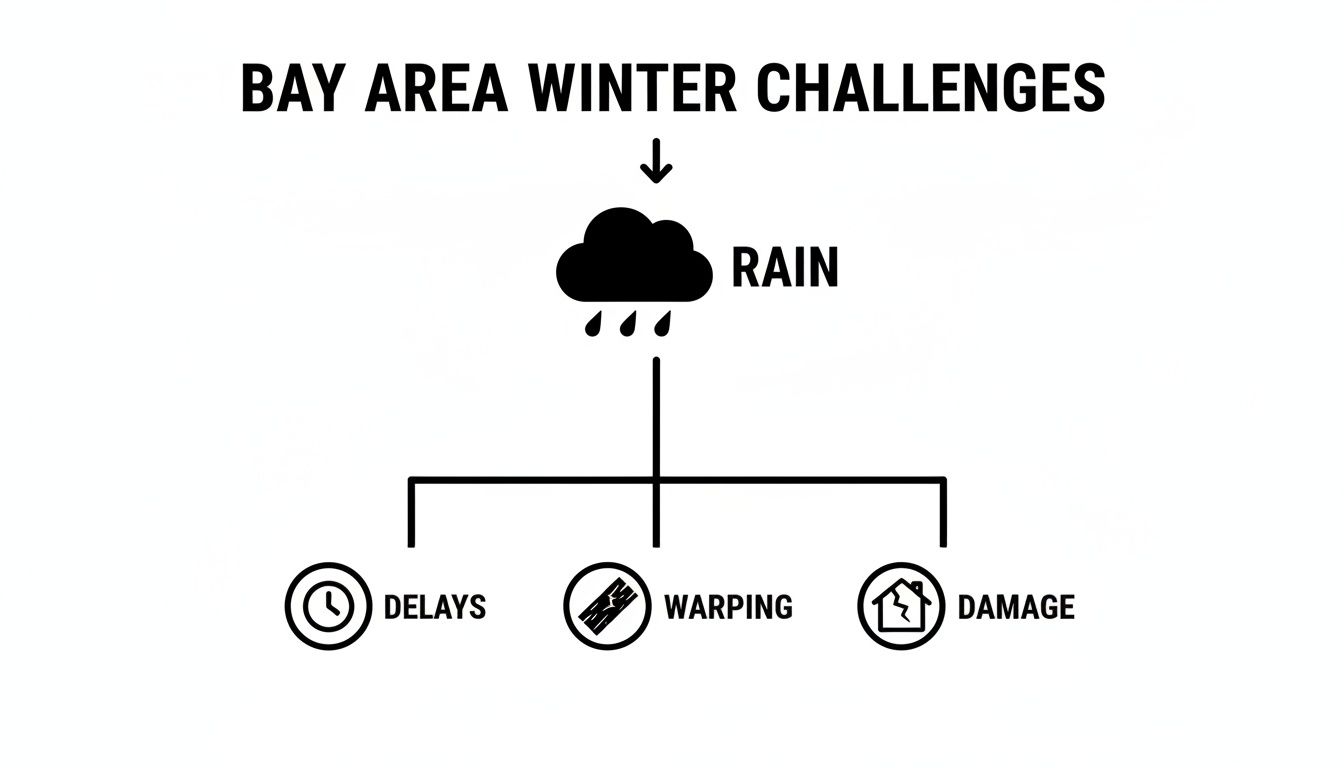
As you can see, moisture causes project delays, damages materials, and can lead to structural failures.
The Critical Role of Weather-Resistive Barriers
After framing, the next defense is the weather-resistive barrier (WRB), or house wrap. It stops liquid water from getting in but allows water vapor to escape. This prevents mold and rot inside the wall.
A properly installed WRB is one of the most important winter-ready building materials for the Bay Area. It "dries in" the structure so interior trades can work. For builders looking at more advanced options, you can learn more in our guide to what are structural insulated panels.
The name of the game for the exterior shell is redundancy. Every layer is there to provide protection. If one layer is breached, the next one is ready to stop water.
Choosing Durable Siding and Roofing
The final layers—siding and roofing—are your building's primary armor. In a climate with wind-driven rain, material selection is key.
Here’s a look at how standard materials compare to winter-ready upgrades.
Bay Area Winter Building Envelope Checklist
| Building Component | Standard Material | Winter-Ready Upgrade | Key Benefit |
|---|---|---|---|
| Sill Plates | Untreated Lumber | Pressure-Treated Lumber | Prevents rot and insect damage at the foundation. |
| Wall Assembly | House Wrap Only | Self-Adhered WRB / Rain Screen | Creates a drainage gap, ensuring walls dry out faster. |
| Window Flashing | Standard Tape | Self-Adhered Flexible Flashing | Forms a seamless, waterproof seal around openings. |
| Siding | Natural Wood | Fiber Cement or Engineered Wood | Resists moisture absorption, warping, and rot. |
| Roofing | 3-Tab Shingles | Laminated Architectural Shingles | Offers superior wind resistance and water-shedding. |
This table shows how smart upgrades create a more resilient system for a Bay Area winter.
Siding Options for a Wet Climate:
- Fiber Cement Siding: This is a great choice for the Bay Area. It is immune to water damage, rot, and pests.
- Engineered Wood Siding: These products are treated to resist moisture. They offer the look of wood without the risk of warping.
Roofing That Performs in the Rain:
The roof takes the most impact from winter rain. Laminated architectural shingles are a smart choice. Their multi-layer design provides better water-shedding and wind resistance than older shingles. For a deeper dive, there's great guidance on winter preparation for commercial roof systems that applies to many home projects, too.
A weatherproof exterior is a complete system. Every part must be chosen for the Bay Area's wet winter and installed correctly.
Choosing High-Performance Windows and Doors
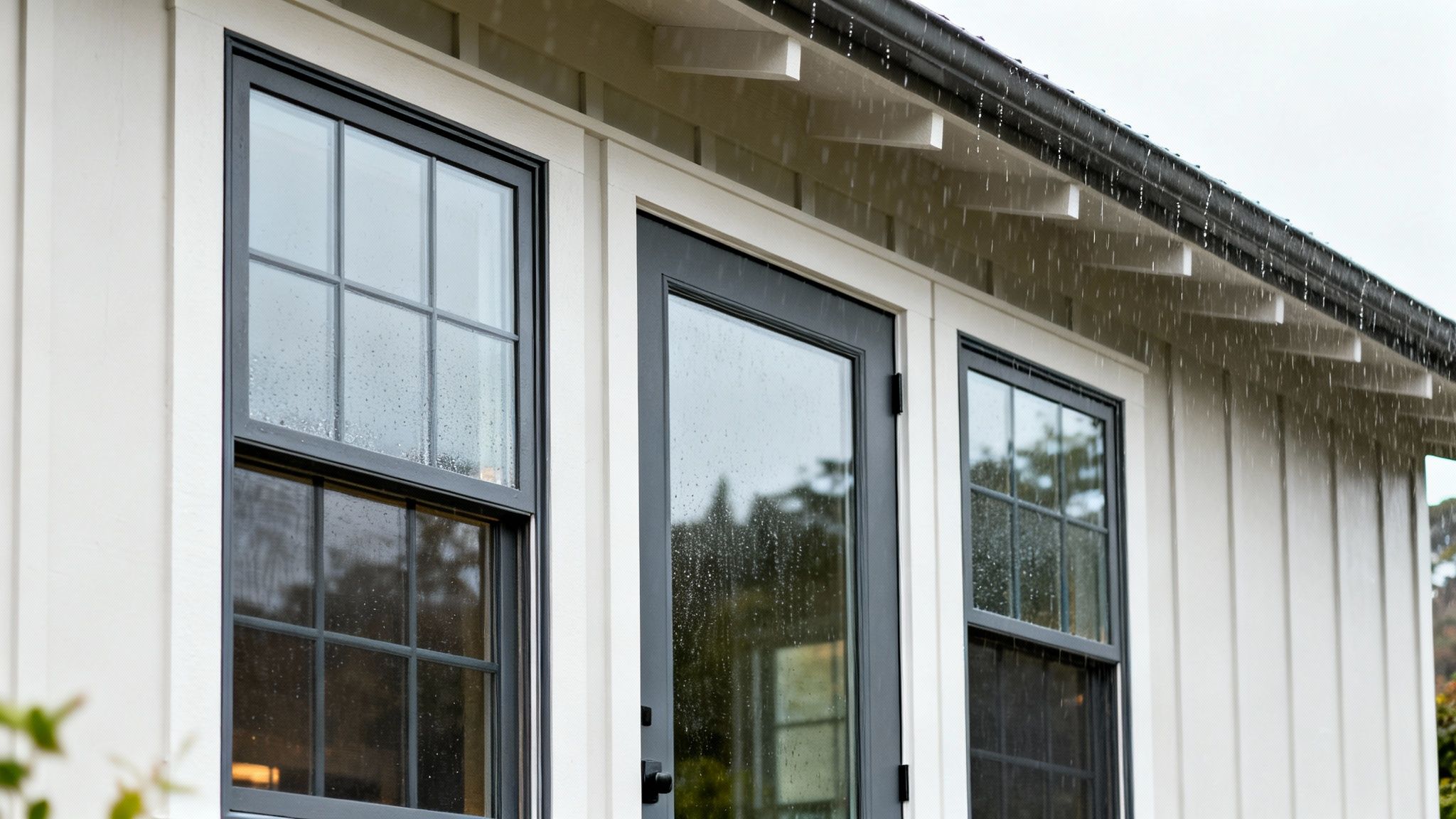
Windows and doors are potential weak spots in your building. If not chosen carefully, they can undermine your hard work on insulation and moisture barriers.
This is especially true in a Bay Area winter. A storm in San Francisco or Oakland brings wind-driven rain that tests every seal. Poor windows and doors can lead to high energy bills and water damage.
Understanding Key Performance Metrics
When looking at windows and doors, two numbers matter most: U-factor and Solar Heat Gain Coefficient (SHGC).
-
U-factor measures insulation. A lower U-factor means better insulation. This is key for keeping a home warm in our cool winters.
-
SHGC measures how much solar heat gets through the glass. A lower SHGC blocks more heat. This helps in summer but is a trade-off in winter.
The goal is to find the right balance. California's Title 24 energy code sets clear targets. Brands like Marvin and Andersen engineer their products to meet these standards.
Materials That Stand Up to Moisture
The material your windows and doors are made from matters a lot in our foggy climate. Wood doors can swell and warp without constant care. That's why many builders in Berkeley and Oakland now use more advanced materials.
Fiberglass is a great choice for the Bay Area. It is very stable and does not expand or contract with temperature changes. This means a fiberglass door keeps a tight seal year-round. You can dive deeper into how to select all-weather windows built to withstand the Bay Area climate in our detailed guide.
Choosing a door made from a material like fiberglass isn't just an upgrade; it's a long-term investment in a low-maintenance, high-performance building envelope.
Meeting and Exceeding California’s Energy Codes
California's Title 24 energy codes are among the strictest in the nation. Complying with them is required to get your project approved.
This is where an expert supplier like Truitt & White helps. High-performance windows can have U-factors as low as 0.20, which can cut heat loss by up to 50%, according to manufacturer data. We offer solutions from partners like Marvin and Andersen to ensure your project meets its performance targets.
A knowledgeable supplier helps you choose products that perform well and pass inspections.
Mastering the Details with Flashing and Sealants
Good windows and siding are important, but they need support. Flashing, sealants, and fasteners are the unsung heroes of a weatherproof build. They create a perfect, watertight seal at the most vulnerable points.
Ignoring these details is like leaving your raincoat unzipped. In the Bay Area, where rain finds every gap, mastering these finishes is critical. It prevents leaks and frustrating callbacks.
Creating an Unbroken Seal with Flashing Tapes
Flashing directs water away from vulnerable spots like window frames and door sills. Modern self-adhered flashing tapes create a permanent, waterproof bond. They are essential winter-ready building materials for the Bay Area.
- Window and Door Flashing: Applying flexible flashing tape around openings directs water back outside.
- Panel Seam Taping: Taping sheathing seams creates a continuous air and water barrier. This improves moisture protection and energy efficiency.
This image shows flashing tape being applied correctly to create a tight seal.
When applied right, these tapes leave no path for water. Learn more in our guide on weatherproofing windows and doors.
Choosing the Right Sealant for the Job
Sealants block air and water in visible joints and seams. Not all sealants are the same. Choosing the right one is key for long-term performance.
One common mistake is treating all sealants as interchangeable. The right choice is critical for a lasting, weatherproof seal.
Here are two common high-performance options:
- Polyurethane Sealants: These are tough and stick well. They are perfect for joints around windows and doors.
- Silicone Sealants: These are very flexible and waterproof. They are great for high-moisture areas like vents and plumbing.
The Importance of Corrosion-Resistant Fasteners
Your fasteners hold everything together. In our coastal air, standard nails and screws can rust. A corroded fastener loses its grip and creates a path for water.
Using corrosion-resistant fasteners is non-negotiable in the Bay Area.
- Hot-Dip Galvanized: These are coated in zinc for rust protection. They are the standard for pressure-treated lumber.
- Stainless Steel: For the best corrosion resistance, especially near the coast, stainless steel is the top choice.
By focusing on flashing, sealants, and fasteners, you create a strong defense against winter weather.
Managing a Clean and Dry Jobsite in the Rain
The right materials are a great start, but they must be handled properly on site. A wet, messy jobsite leads to damaged materials and delays.
Proactive site management is key. A few simple strategies can prevent moisture damage before installation begins. This saves you time and money.

Protecting Materials From Moisture Damage
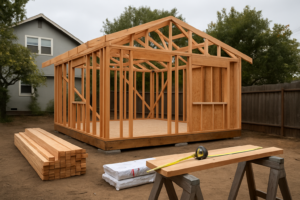
Lumber is most vulnerable right after delivery. Leaving it exposed to rain can cause warping. Proper storage is essential for any winter build.
Here are some strategies top contractors use:
-
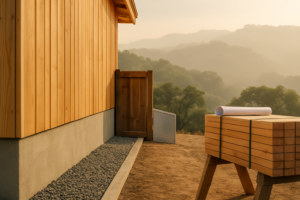
Elevate and Cover: Never store lumber directly on the ground. Stack materials on scrap wood (dunnage) to allow air circulation. Cover them securely with waterproof tarps.
-
Schedule Deliveries Strategically: Work with your supplier for just-in-time delivery. A partner who understands construction materials delivery can help minimize exposure.
-
Inspect Before Installing: Always check materials for moisture before you use them. Installing wet lumber can cause problems later as it dries.
A dry jobsite is an efficient jobsite. Every hour spent dealing with mud or damaged materials is an hour you’re not making progress.
Maintaining a Safe and Accessible Site
Managing the site is also important. A muddy, flooded jobsite is dangerous and can stop work completely.
Smart Site Management Checklist
-
Grade for Drainage: Before winter, grade the site to direct water away from the foundation. This prevents pooling and mud.
-
Establish a Staging Area: Set up a dry, stable spot for deliveries. A layer of crushed rock can create a mud-free zone.
-
Plan Exterior Work Around Forecasts: Schedule framing, roofing, and window installation during dry spells. Use rainy days for interior work.
-
Keep It Clean: A clean site is a safer site. Regularly clear debris that can become tripping hazards in mud.
These simple practices ensure your high-quality materials perform as designed. It's a disciplined approach that keeps your project moving forward.
Your Partner for Bay Area Winter Construction
A successful winter build requires a good plan and the right materials. We have covered the basics for creating a weather-tight project. Making smart choices upfront protects your timeline and budget.
Now it's time to act. Truitt & White can help you get the high-performance products you need.
Your Local Material Experts
Our team understands the challenges of building in Berkeley, Oakland, and the Bay Area. We know success takes smart planning and a supplier who understands local conditions. We stock the winter-ready building materials for the Bay Area that contractors and homeowners have trusted for years.
Our selection is curated for our damp climate:
- Moisture-Resistant Lumber: We carry pressure-treated and engineered wood to fight warping and rot.
- High-Performance Windows & Doors: Find units from top brands like Marvin and Andersen that meet California’s Title 24 codes.
- Advanced Sealing Solutions: We have the flashing tapes, house wraps, and sealants to create a watertight shell.
Let Us Help You Succeed This Season
Whether you're planning a new build or a window replacement, our expertise is your advantage. We offer advice, help coordinate deliveries, and ensure you have everything you need.
Don’t let the rainy season control your schedule. Connect with our experts today for advice and to see our full lineup of moisture-smart materials.
Frequently Asked Questions (FAQs)
What is the biggest mistake contractors make during a Bay Area winter?
The most common mistake is not protecting lumber from rain on the jobsite. Uncovered wood absorbs moisture, leading to warping, swelling, and mold. Properly covering materials with tarps is a simple step that prevents costly delays and damage.
Do I really need to use pressure-treated lumber?
Yes, it is critical for any wood that touches a concrete foundation, like sill plates. Our damp winters create a constant risk of rot and insect damage. Using pressure-treated lumber in these key areas is a low-cost way to protect the building’s structure.
Can I install new windows during the rainy season?
Yes, you can. A professional installer can work in damp conditions. They use advanced flashing tapes and high-performance sealants to create a completely waterproof seal around the new window or door, ensuring a successful installation.
How much more do winter-ready building materials cost?
While some high-performance products have a higher upfront cost, they provide significant long-term value. They prevent expensive project delays, reduce callbacks for leaks, and lower a home's energy bills. The real cost often comes from not using them, which leads to repairs and wasted time.
What is the first step to winter-proofing a new construction project?
The first step is to get the structure "dried in." This means installing the house wrap, or weather-resistive barrier (WRB), as soon as the sheathing is complete. This protects the interior framing from rain so that plumbers, electricians, and other trades can work inside, even if it's raining.
Prepping for winter construction or upgrades? Visit Truitt & White in Berkeley for expert support and moisture-smart materials tailored to Bay Area conditions. Visit our Berkeley showroom for expert advice.