
Picking out quality windows in the East Bay is a critical decision for any building or remodeling project. Your choice affects curb appeal, energy bills, and daily comfort in our unique climate. This guide offers practical advice for homeowners, builders, and architects in Berkeley, Oakland, and the greater Bay Area.
Benefits of Quality Windows in the Bay Area
Selecting the right windows is about more than style. In the Bay Area, windows are a high-performance part of your home’s structure. They shield you from coastal fog, intense sun, and chilly drafts.
A smart window investment pays back for decades in comfort and property value. Windows frame your views, bring in natural light, and define a space's character. For a historic Berkeley Craftsman, the right window preserves architectural integrity. For a modern Oakland home, it creates a seamless indoor-outdoor connection.
Why Local Climate Knowledge Matters
The East Bay has a patchwork of distinct microclimates. A home in the foggy Berkeley hills needs different windows than one in a sunny area like Lafayette. This is why one-size-fits-all advice often fails here.
For example, a window facing the San Francisco Bay might need a special glass coating to reduce glare. A south-facing window in Oakland will benefit from glazing that blocks solar heat gain, keeping the house cooler. For a deeper look, our guide on how to choose windows for a Bay Area home offers more tailored advice.
Key Factors for East Bay Window Selection
Making a smart decision means balancing several critical factors. Each one plays a major role in how your windows will look and perform. Let's break them down.
Here is a quick overview of what to consider when shopping for windows in our area.
| Factor | Why It Matters in the East Bay | Top Recommendations |
|---|---|---|
| Material Durability | Frames must withstand moisture from fog and rain without warping or rotting. | Fiberglass and high-quality vinyl offer excellent moisture resistance. |
| Energy Efficiency | Windows must keep heat out on warm days and retain it on cool nights to meet California's Title 24 codes. | Look for low U-factor and SHGC ratings appropriate for your specific microclimate. |
| Architectural Style | The design must complement your home's aesthetic, from historic Victorian to new construction. | Match window lines and grille patterns to your home's original or intended architectural style. |
| Security and Safety | High-quality locking mechanisms and strong frame construction are crucial for peace of mind. | Choose windows with multi-point locking systems and durable frame materials. |
Let's explore these points further:
-
Material Durability: Window frames must handle constant moisture from fog and rain. Materials like fiberglass and top-tier vinyl are great at resisting these challenges without warping or rotting.
-
Energy Efficiency: Your windows need to keep your home cool during heatwaves and warm on brisk nights. Pay attention to the U-factor and SHGC ratings to meet California's strict Title 24 energy codes.
-
Architectural Style: The window design should enhance your home's character. Whether it's a classic Victorian or a sleek modern build, the windows should feel right for the home.
-
Security and Safety: This is non-negotiable. High-quality locking mechanisms are essential. You can learn more about how to secure your windows to understand what to look for.
Matching Window Materials to the Bay Area Climate
Your window's frame is its first line of defense. When seeking quality windows in the East Bay, you need a material that can handle Berkeley’s damp air and Walnut Creek’s intense sun. The right choice is about longevity and performance.
The classic charm of a wood window on a historic home is beautiful. But it needs consistent upkeep to prevent moisture damage. Sleek, durable fiberglass windows on a modern Oakland build, however, offer strength with almost no maintenance.
This infographic shows how quality windows deliver value across three key areas.
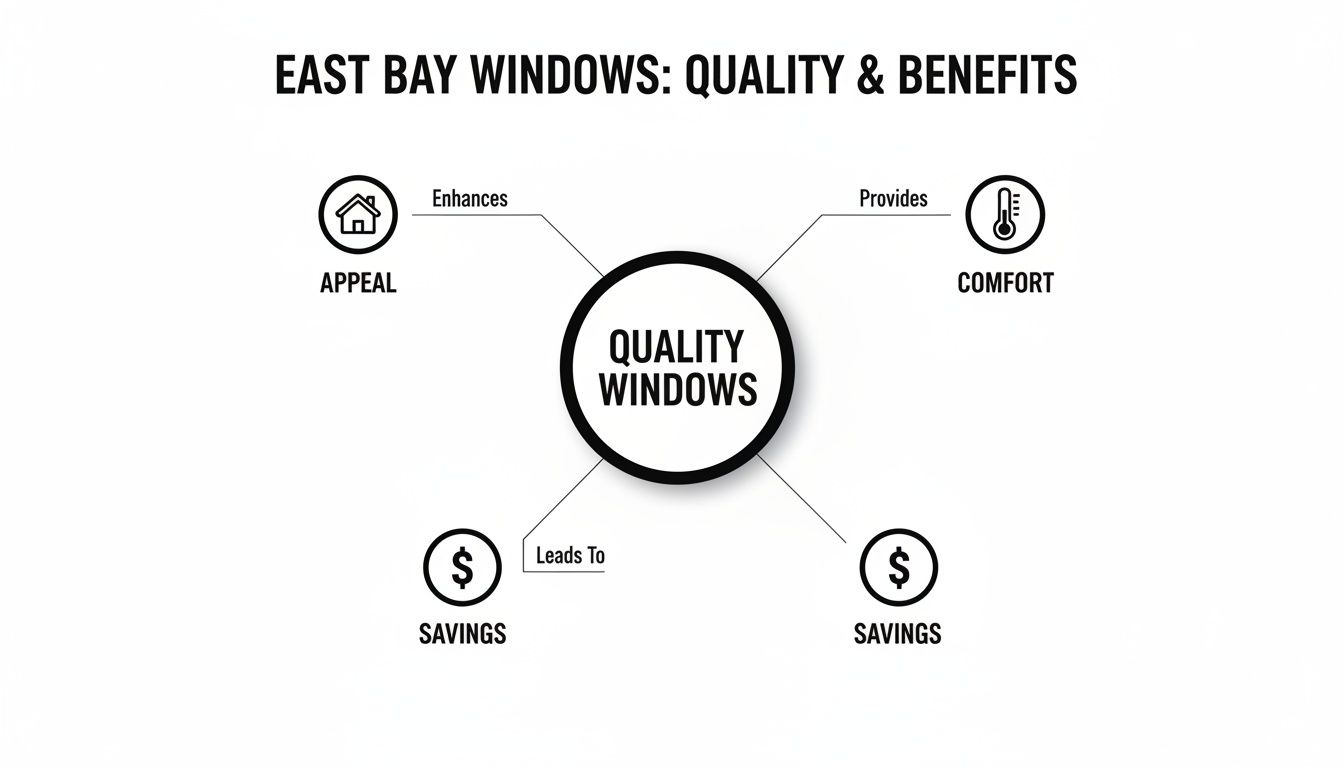
As you can see, these benefits are connected. Materials that boost curb appeal often make your home more comfortable and lead to savings.
Comparing Top Window Materials
Let’s review the most common options for projects in Berkeley and Oakland.
-
Wood: Nothing beats the traditional beauty of wood, perfect for historic homes. However, wood windows demand regular painting to protect them from Bay Area moisture.
-
Vinyl: A practical and low-maintenance choice, modern vinyl windows offer solid energy efficiency. They stand up well to moisture and are a great workhorse for many residential projects.
-
Fiberglass: Exceptionally strong and durable, fiberglass frames are a fantastic match for our climate. They won’t swell, rot, or warp, and their strength allows for slimmer frames and more glass.
-
Aluminum: Known for its strength and thin profiles, aluminum is popular in contemporary architecture. Modern thermally broken aluminum provides much better insulation than standard frames. Our guide to All-Weather windows built to withstand the Bay Area explores great options for our climate.
Key Takeaway: For the damp conditions near the San Francisco Bay, fiberglass and high-quality vinyl are excellent, low-maintenance choices. Their moisture resistance makes them a reliable pick.
Decoding Energy Efficiency for California Homes
Choosing energy-efficient windows in the Bay Area is required by California's Title 24 energy codes. These regulations ensure our homes are comfortable and energy-conscious. Understanding performance ratings will help you pick the best quality windows for your East Bay home.
Think of these ratings as the nutritional label for your windows. They tell you exactly how a window will perform. Getting this right means lower energy bills and a more pleasant home.
U-Factor and SHGC Explained
The U-factor and the Solar Heat Gain Coefficient (SHGC) are two of the most important numbers on any window label.
- U-Factor: This number shows how well a window insulates. A lower U-factor is better, meaning less heat can escape your home.
- SHGC (Solar Heat Gain Coefficient): This measures how much of the sun’s heat gets through the glass. A lower SHGC is usually better here, as it blocks unwanted solar heat.
For most Bay Area climates, you’ll want a low U-factor and a low SHGC. This combination provides the best year-round performance.
The Technology Behind Efficient Windows
Modern windows achieve high ratings through advanced features working together.
- Double-Pane Glass: Two panes of glass are separated by a sealed space, which reduces heat transfer.
- Low-E Coatings: A thin, transparent metal layer on the glass reflects infrared heat. It keeps warmth inside during winter and outside during summer.
- Argon Gas Fill: The space between panes is often filled with Argon gas. It's denser than air and provides extra insulation.
Expert Insight: According to ENERGY STAR, replacing old single-pane windows with ENERGY STAR certified models can save homeowners an average of $101–$583 per year. Savings depend on your specific climate and original windows.
Properly sealed windows are a critical component for thermal performance. To learn more, see our guide on the best windows for energy efficiency.
Navigating East Bay Building Codes and Architecture
Choosing quality windows in the East Bay involves navigating local building codes. Whether you're remodeling in Berkeley or building new in Oakland, understanding these rules is essential. They are designed to keep you and your family safe.
Contractors and homeowners must know the non-negotiables. For example, egress windows in bedrooms have specific size requirements for fire safety. Codes also demand tempered glass in bathrooms and near doors to prevent dangerous shattering.
Special Rules for Hillside Homes
If your home is in the Berkeley or Oakland hills, you must follow the Wildland-Urban Interface (WUI) code. This is a direct response to the threat of wildfires.
- WUI Requirements: These codes often require non-combustible frame materials and multi-pane tempered glass.
- WUI-Rated Products: Top manufacturers like Marvin and Andersen design product lines that are certified to exceed WUI requirements.
Honoring the East Bay’s Unique Character
Beyond codes, the right windows honor your home's architectural story. A partner with local knowledge is indispensable.
The art is in finding the balance between modern performance and timeless design. A window that respects the original architecture while delivering today's energy efficiency is a home run.
A classic Victorian in Alameda needs windows with intricate grille patterns. A mid-century modern Eichler calls for large panes of glass that connect the indoors and outdoors. Getting these details right protects your home's charm and value.
Why Professional Installation Is Non-Negotiable
You can choose the highest-quality windows, but if they aren’t installed correctly, they will fail. A poor installation can cause drafts, leaks, and frustration. It completely negates the energy efficiency you paid for.
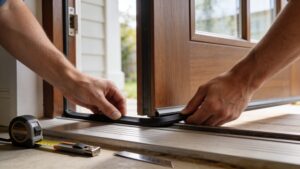
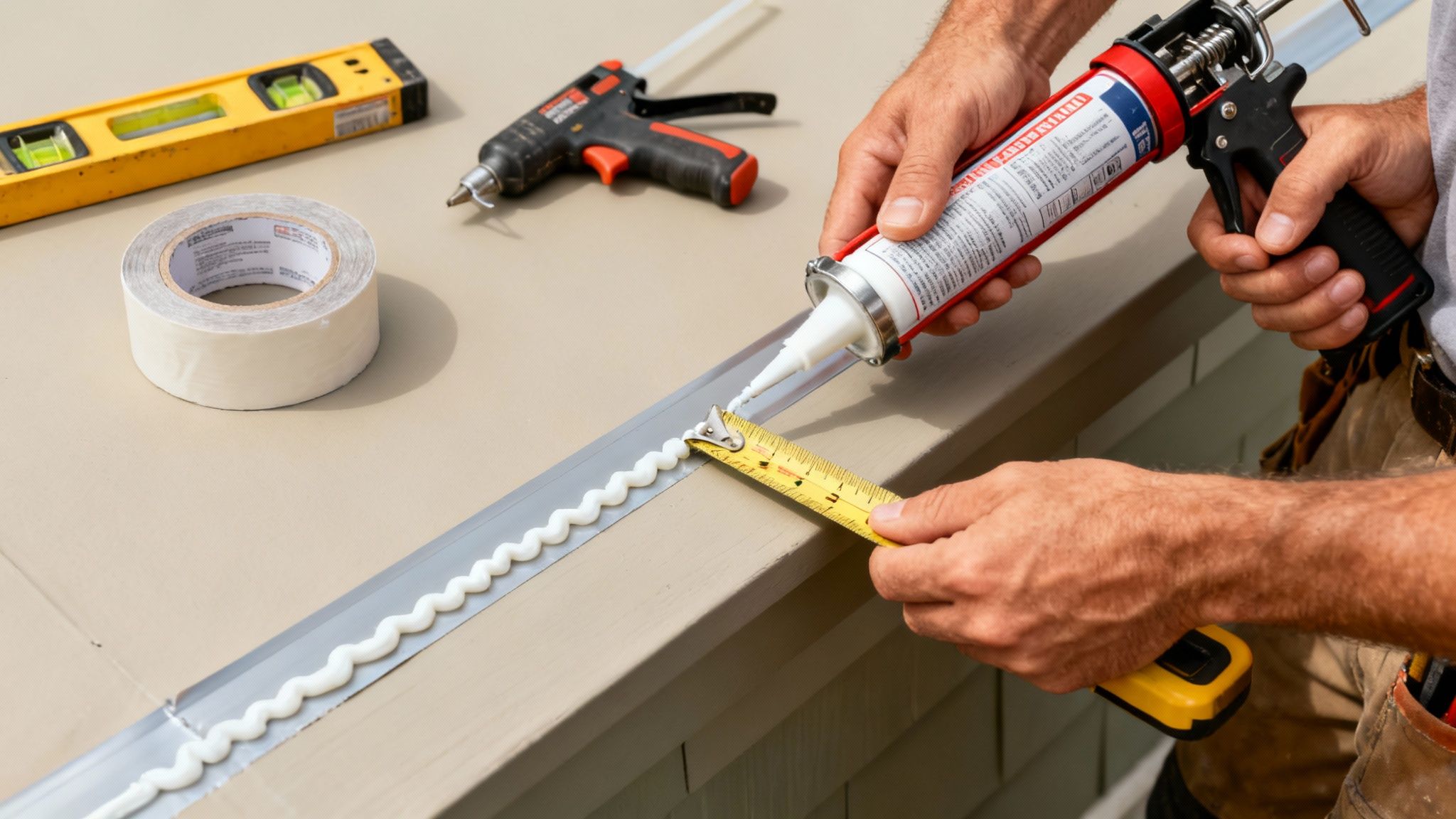
Your new windows must be perfectly integrated into your home's structure. This requires precise measurements, correct flashing, and expert sealing. The goal is to create an airtight and watertight barrier against wind and rain.
What a Professional Installation Involves
A professional installation is a detailed craft with no room for shortcuts. It ensures your windows perform as intended for decades.
Key elements include:
- Precise Measurements: An installer takes exact measurements of the rough opening to ensure a perfect fit.
- Proper Weatherproofing: This involves installing flashing and weather-resistive barriers to channel water away.
- Expert Sealing and Insulation: Gaps around the window are filled with insulation and sealed with caulk to stop air and water intrusion.
A Common Mistake to Avoid: One of the most frequent installation errors is improper flashing. When this waterproof barrier is installed incorrectly, it can cause hidden water damage, rot, and mold inside your walls.
Your Partner in Finding the Right Installer
Finding a trustworthy local contractor can be a challenge. A knowledgeable supplier like Truitt & White can be an invaluable partner. We work with the East Bay’s best builders and can connect you with proven professionals.
This partnership protects your investment and ensures your new windows deliver. For complex projects, our expert window and door field service team can provide on-site consultations for seamless integration.
Your Local Window Experts are Here to Help
Truitt & White is more than a building material supplier. We are a partner to the architects, builders, and homeowners of the East Bay. Our deep roots in Berkeley give us an unmatched understanding of local architecture and building codes.
We offer a curated selection from top brands, ensuring you get quality windows for East Bay projects that are proven to perform. Our team provides practical, personalized guidance for your specific project.
The Advantage of a True Local Partner
Choosing a local supplier means getting support from people with experience.
- Real Product Knowledge: We can explain the critical differences between product lines, helping you choose the right window for your specific needs.
- Code and Climate Expertise: Our team stays current on changing local regulations, including WUI codes, so your project is compliant.
- Deep Community Connections: We have strong relationships with the best architects and builders in the area. We are happy to connect you with trusted professionals.
A knowledgeable local partner helps you find the right solution. We’re here to help you build a better home that respects your budget, timeline, and design vision.
We invite you to see the difference for yourself. Stop by our Berkeley showroom to see these windows and speak with our specialists. Let us help you find the perfect windows to elevate your home.
Your project deserves a partner who understands the details that matter in the Bay Area. Connect with our window experts today to get started.
Frequently Asked Questions About East Bay Windows
Here are concise answers to some common questions we hear from builders and homeowners in Berkeley, Oakland, and the greater Bay Area.
What is the average cost to replace windows in the East Bay?
The cost to replace windows varies based on material, style, and installation complexity. Homeowners can typically expect to invest between $800 and $2,000 per window, including professional installation. For an accurate budget, we recommend getting a detailed quote tailored to your project.
How long does window installation take?
For an average-sized home, a standard window replacement project usually takes one to two days. The timeline can change based on the number of windows, installation difficulty, and any necessary repairs to the surrounding wall structure.
How do I know when it’s time to replace my windows?
Clear signs include noticeable drafts, difficulty opening or closing windows, and condensation between the glass panes. Other clues are rotting frames, peeling paint, or an increase in outside noise, all indicating your windows are no longer performing well.
Do I need a permit to replace windows in Oakland or Berkeley?
Yes, a building permit is very likely required for window replacement. Most cities consider this a structural alteration, especially if you change the opening's size or shape. Always check with your local planning department to confirm requirements before starting.
What is the best window material for foggy areas like Berkeley?
For the damp, foggy climate common in the East Bay, fiberglass and high-quality vinyl are excellent choices. Both materials are highly resistant to moisture, so they won't warp, rot, or corrode over time. This makes them durable and low-maintenance options for coastal homes.
Ready to talk about your project? The team at Truitt & White has been helping East Bay builders and homeowners select the perfect windows for decades. Visit our Berkeley showroom for expert advice.