As wildfire seasons grow longer across Northern California, homeowners and builders in Berkeley, Oakland, and the Bay Area face a new reality. Protecting homes, especially in Wildland-Urban Interface (WUI) zones, is a top priority. It requires smart, resilient construction choices.
This guide outlines the essential fire-safe upgrades every Bay area home needs. We will focus on practical, code-compliant solutions that improve safety without sacrificing design. Strict building codes now require features like Class A roofing and ignition-resistant siding.
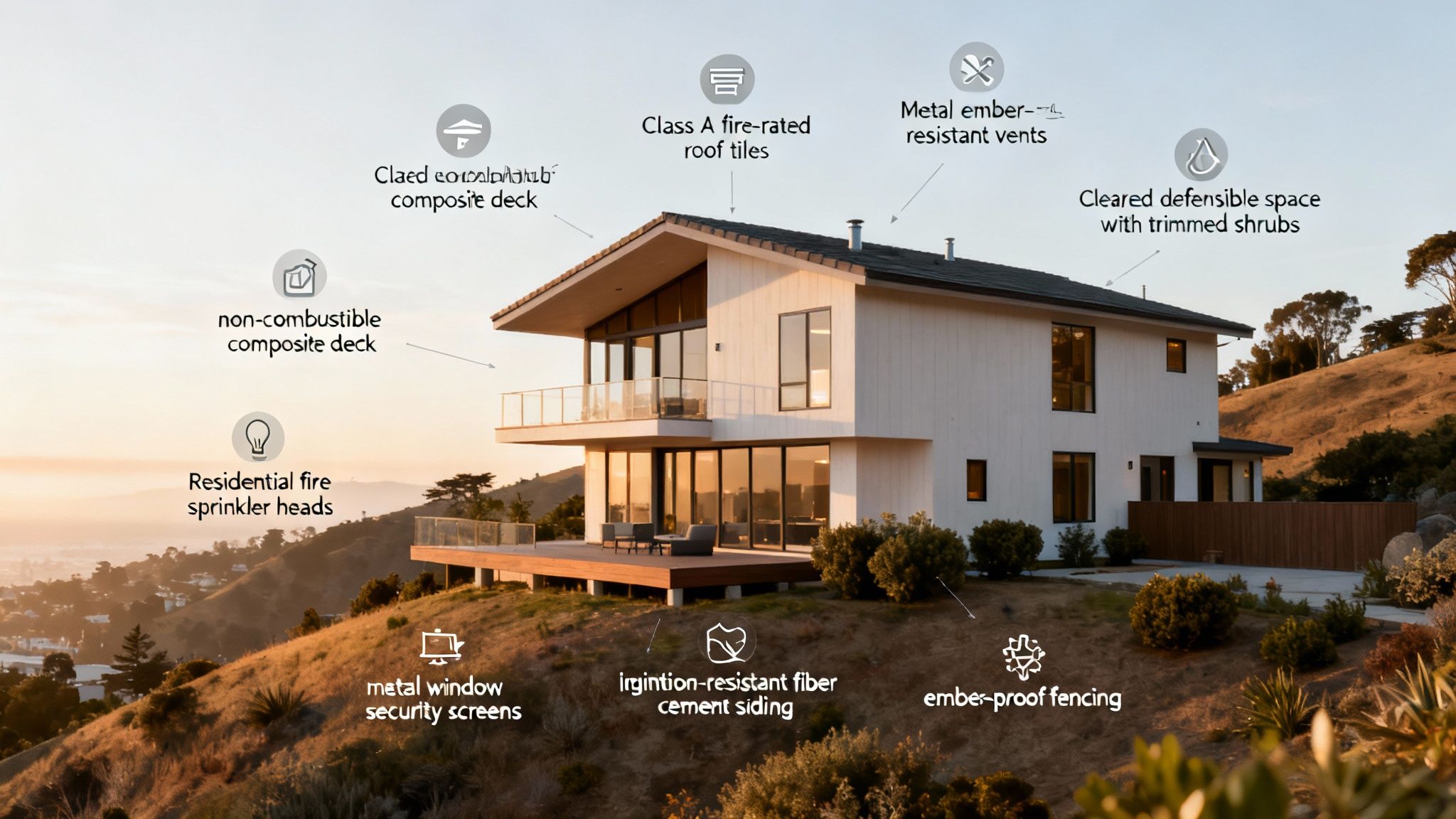
Homeowners and contractors are looking for ways to protect properties from embers and direct flames. This list breaks down the most important upgrades, from siding and windows to vents and decking. We'll explain why each upgrade matters and what materials to use.
Whether you're remodeling in the Berkeley hills or building new in San Francisco, these upgrades are key to a safer home. This guide provides the information you need to meet local rules and protect your investment.
1. Upgrade to Class A Fire-Resistant Roofing
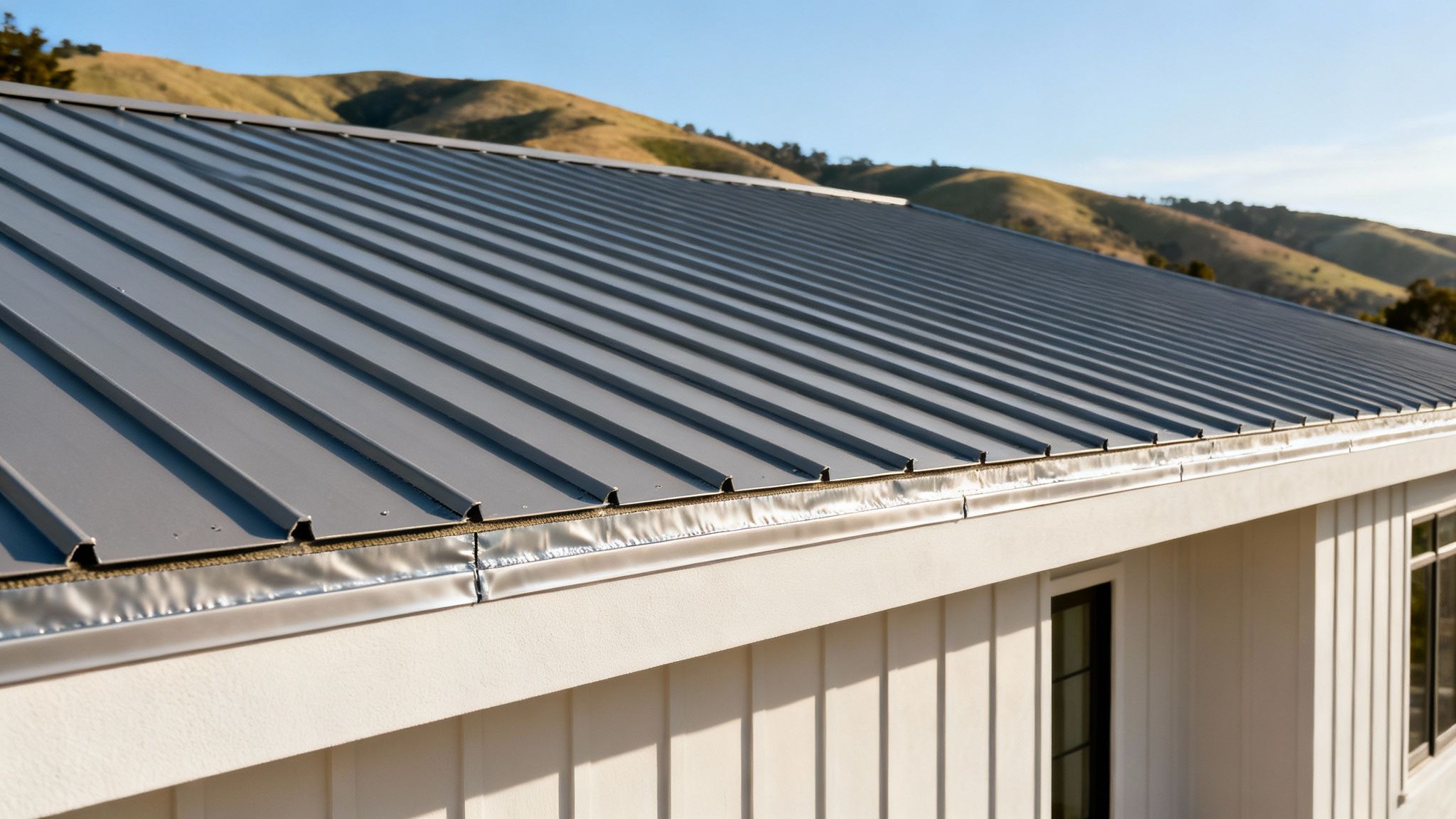
Your roof is the most vulnerable part of your home during a wildfire. It can easily catch flying embers. Upgrading to a Class A rated roofing system is one of the most effective fire-safe upgrades every Bay Area home needs.
These materials are tested to withstand severe fire, preventing flames from spreading into your home. This upgrade is now required in many WUI zones, from the Berkeley Hills to Marin County.
Why Class A Roofing is Essential in the Bay Area
A Class A rating is the highest level of fire resistance for roofing. It means the material can resist direct flames for a long time without burning through.
In a region where one ember can start a fire, this protection is your best defense. In neighborhoods rebuilt after fires, Class A materials like metal and tile are now standard.
Top Material Options for Fire Safety
Many materials have a Class A rating, but they vary in cost, lifespan, and look.
- Asphalt Shingles: Modern shingles offer excellent fire resistance at a good price. They are a popular choice for their balance of performance and value.
- Metal Roofing: Standing seam metal roofs are extremely durable and fire-resistant. The initial cost is higher, but they last a long time with little maintenance.
- Concrete or Clay Tile: These materials are naturally non-combustible. However, their weight may require extra support for your roof structure.
Tips for a Fire-Safe Roof System
A fire-safe roof is more than just the shingles. The entire system matters.
- Professional Installation: Hire a licensed contractor who knows how to install Class A roofs. They will properly seal gaps where embers could enter.
- Protect Your Gutters: Add non-combustible gutter guards to prevent leaves and pine needles from building up. This removes a common fuel source near your roofline.
- Keep Your Documentation: Always get the warranty paperwork that certifies your roof’s Class A fire rating. You may need it for insurance or city permits.
2. Install Fire-Resistant Siding
After the roof, your siding is the next largest surface exposed to fire. Wood or vinyl siding can easily catch fire from flames or embers.
Installing fire-resistant siding hardens this critical barrier. It's one of the most important fire-safe upgrades every Bay Area home needs. In communities like Walnut Creek, ignition-resistant siding is now standard.
Why Ignition-Resistant Siding is a Must
Embers can travel over a mile and get into small cracks in your home's exterior. Non-combustible siding is designed to resist this attack without catching fire.
This upgrade protects your home's structure. It stops a small ember from turning into a major fire.
Leading Material Choices for Siding
Modern materials offer better fire performance than older siding types.
- Fiber Cement: Products like James Hardie siding are made of sand, cement, and cellulose fibers, so they don't burn. They resist fire, moisture, and pests. You can learn more about James Hardie siding products and their benefits at our Berkeley building materials supply.
- Metal Siding: Steel or aluminum siding offers excellent fire resistance and a modern look. It is completely non-combustible and very durable.
- Fire-Treated Wood: If you want the look of wood, specially treated products offer better fire resistance. They meet WUI code requirements but need more maintenance.
Tips for a Fire-Hardened Exterior
A complete system is needed for the best fire protection. Pay attention to the details during installation.
- Seal All Gaps: Use fire-resistant caulk to seal seams and joints. This prevents embers from getting behind the siding.
- Install Metal Flashing: Use non-combustible metal flashing around all windows, doors, and pipes.
- Close the Ground-to-Siding Gap: Your siding should extend to within six inches of the ground. This eliminates a space where embers can blow underneath.
3. Choose Fire-Resistant Windows and Doors
Windows and doors are weak spots during a wildfire. The intense heat can break standard glass, letting embers and flames inside.
Upgrading to fire-resistant windows and doors is a critical safety measure. These products use tempered glass and fire-rated frames that hold up under extreme heat.
Why Fire-Rated Windows and Doors Are Crucial
A normal window can fail in minutes when exposed to a wildfire. Fire-rated windows and doors can withstand high temperatures for 20 minutes or more.
In high-risk areas like the Oakland and Berkeley Hills, these are now required for new construction. They provide a vital barrier, giving firefighters time to respond.
Key Materials for Windows and Doors
The frame material is just as important as the glass.
- Tempered Glass: This is the minimum requirement in WUI zones. Tempered glass is four times stronger than standard glass.
- Dual-Paned Windows: Insulated Glass Units (IGUs) with at least one pane of tempered glass offer superior protection. Brands like Marvin and Andersen offer special options for fire resistance.
- Fire-Rated Doors: Look for solid-core wood or metal doors with a 20-minute fire rating. These combine safety with great design.
Tips for Installing Fire-Safe Windows and Doors
A complete system approach provides the best protection.
- Get Expert Advice: Visit the Truitt & White Window & Door Showroom in Berkeley. Our team understands local codes and can recommend the right Bay Area windows and doors for your project.
- Prioritize Vulnerable Areas: If you can't replace everything, start with windows and doors facing dense vegetation.
- Seal All Gaps: Use fire-rated caulk around frames to seal any openings where embers could get through.
- Add Metal Screens: Install 1/8-inch metal mesh screens over windows. This is a simple but effective way to block embers.
4. Install Ember-Resistant Vents
Your attic and foundation vents are open doors for embers. During a wildfire, winds can blow burning embers into these small openings, starting a fire from inside your home.
Installing ember-resistant vents is one of the most important fire-safe upgrades every Bay Area home needs. These vents use a fine metal mesh to block embers but still allow air to flow.
Why Vent Protection is a Top Priority
Unprotected vents are a major fire risk. Standard vents with 1/4-inch screens are large enough for embers to pass through and ignite insulation or other materials.
In high-risk areas from Napa to the Oakland Hills, upgrading to 1/8-inch mesh is now required by many local building codes.
Options for Ember-Resistant Vents
Ember-resistant vents are available for almost every type of opening on a home.
- Retrofit Screens: A cost-effective option is to install a 1/8-inch metal screen over your existing vents.
- Full Vent Replacement: For new construction or remodels, it is best to replace old vents with new ones that have built-in ember resistance.
- Baffled Vents: Some advanced vents use a special design to block embers and direct heat away, offering even more protection.
Tips for a Secure Vent System
Securing your vents involves more than just adding a screen. A full approach is needed to leave no path for embers.
- Seal All Gaps: Use fire-resistant caulk to seal any cracks around the vent where it meets the siding.
- Inspect and Clean: Keep your vents clear of leaves and other debris that could catch fire. A check each season is a good idea.
- Cover All Openings: Make sure every vent is covered, including foundation, soffit, and attic vents.
5. Build with Fire-Resistant Decking
A wood deck can act like fuel attached to your house. It creates an easy path for fire to spread from the ground to your walls.
Upgrading to a fire-resistant deck is a key safety improvement. Modern decking systems use materials that do not ignite easily, which helps stop fire from spreading.
Why a Fire-Resistant Deck is Essential
A deck can catch fire from embers landing on top of it or from flames reaching it from underneath. Ignition-resistant decking is designed to resist catching fire from these embers.
Replacing old wood decks with composite materials is a key strategy for protecting homes from wildfires in the Bay Area.
Material Options for Fire-Safe Decks
The most reliable solutions use materials that are naturally fire-resistant.
- Composite Decking: Brands like Trex and TimberTech make decking with fire-retardant additives. They look like wood but are much safer.
- Metal Decking: Aluminum decking offers the highest level of fire resistance because it is non-combustible.
- Concrete Pavers: For ground-level patios, pavers create a non-combustible surface that is both attractive and safe.
Tips for a Fire-Safe Deck System
A fire-resistant deck is a complete system designed to prevent ignition.
- Protect the Underside: Install a non-combustible metal mesh screen around the deck's perimeter. This keeps embers and flammable debris from getting underneath.
- Clear All Vegetation: Keep a five-foot "ignition-free zone" of non-combustible material (like gravel) around and under your deck.
- Use the Right Fasteners: Make sure your contractor uses non-combustible fasteners, like stainless steel screws. While some woods are naturally resistant, you can learn about the best wood for a deck and compare it to safer composite options.
6. Create Defensible Space and Fire-Safe Landscaping
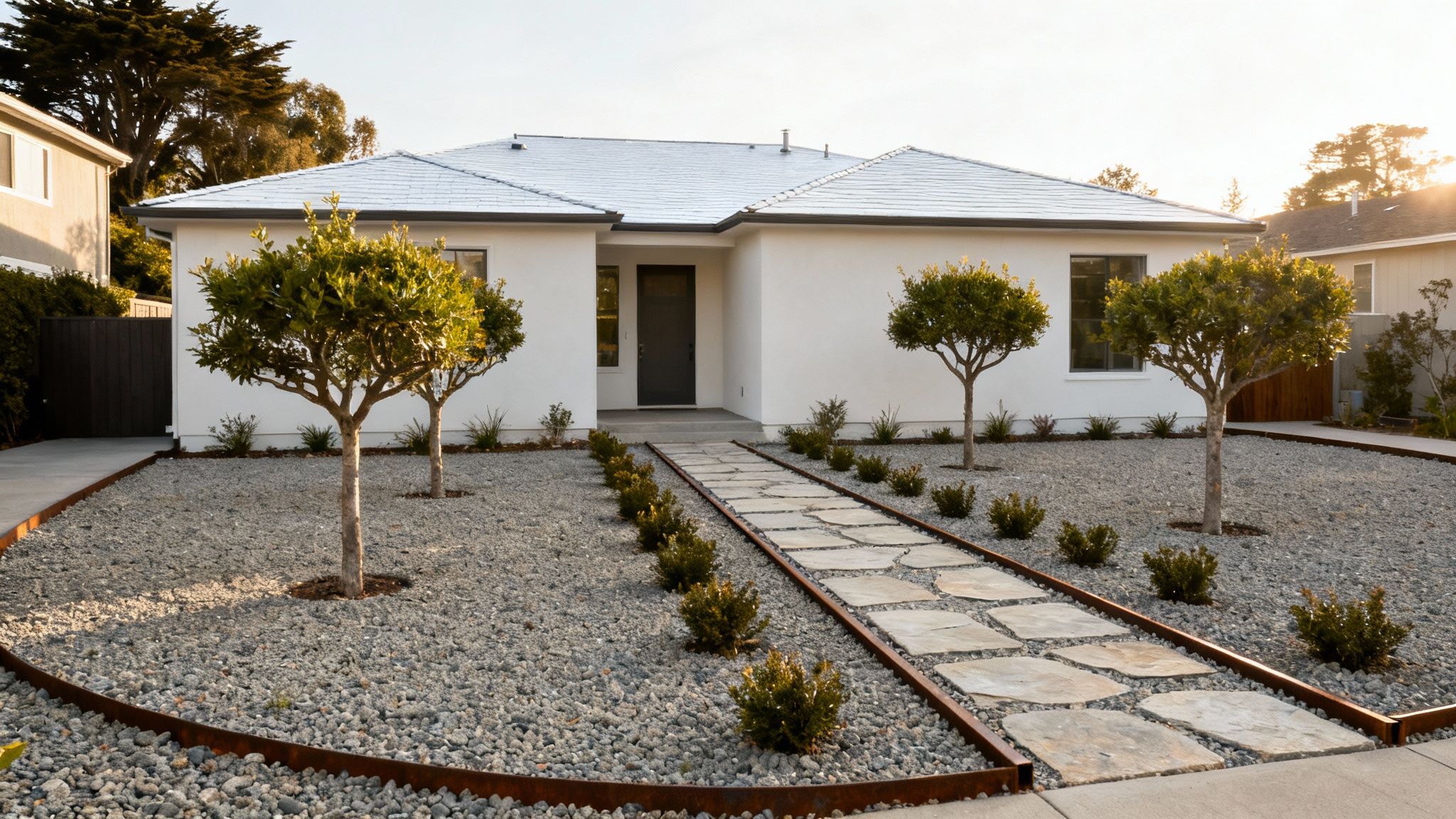
What surrounds your home is as important as how it's built. Defensible space is a buffer zone between your house and an approaching wildfire.
This approach involves clearing flammable plants and using non-combustible materials like gravel or stone. It's one of the most cost-effective fire-safe upgrades every Bay Area home needs.
Why Defensible Space is a Requirement
CAL FIRE requires homeowners to maintain defensible space in many high-risk areas. Homes with good defensible space are much more likely to survive a wildfire.
This is about smart landscape design that removes fuel for a fire before it reaches your home.
Key Elements of Fire-Safe Landscaping
Effective defensible space combines smart planting and hardscaping.
- Zone 0 (0-5 feet): This area right next to your home should be an "ember-free" zone. Use gravel, pavers, or concrete, and remove all flammable plants and mulch.
- Hardscape Firebreaks: Use stone walls, concrete paths, and gravel beds to break up plant-covered areas. These features can stop a ground fire from spreading.
- Fire-Resistant Plants: Beyond the first five feet, choose plants with high moisture content. Succulents and certain native California plants are good choices. To learn more about local options, you can research San Francisco landscape design.
Tips for Maintaining a Fire-Safe Landscape
Creating defensible space is an ongoing job. Regular maintenance is key.
- Establish Zone 0: Clear a five-foot non-combustible area around your foundation and under all decks.
- Manage Your Plants: Within 30 feet of your home, remove dead plants and trees. Trim tree branches so they are at least 6 feet off the ground.
- Clear Debris Often: Regularly clean roofs and gutters to remove leaves and pine needles that can fuel a fire.
- Relocate Flammable Items: Move firewood piles and propane tanks at least 30 feet away from your house.
7. Use Fire-Resistant Insulation
The hidden spaces inside your walls and attic are also vulnerable to fire. Upgrading to fire-resistant insulation is an important safety step.
This upgrade turns your home’s structure into a fire-blocking barrier. It prevents embers and extreme heat from igniting your home from the inside.
Why Fire-Rated Insulation Matters
Standard insulation can melt or burn when it gets too hot. This leaves your walls and attic unprotected.
Fire-resistant insulation, like mineral wool, is non-combustible and can withstand temperatures over 2,000°F. It slows fire spread, which can save your home.
Top Material Options for Insulation
The right choice depends on if you are building new or remodeling.
- Mineral Wool Insulation: Made from spun rock, products like ROCKWOOL are naturally non-combustible and have a Class A fire rating.
- Fire-Resistant Spray Foam: Some spray foam products are made to resist fire. They also seal air gaps, which helps block embers.
- Fire-Rated Caulk: Use special sealants around pipes, vents, and wires. These materials expand when heated to seal gaps and stop flames and smoke.
Tips for a Fire-Safe Interior
A complete approach is needed to protect your home's hidden spaces.
- Focus on the Attic: This is where heat and embers often gather. Insulating and sealing this space first gives the greatest benefit.
- Insulate and Seal: A good system includes both insulation and sealing every gap. This improves fire safety and energy efficiency. Learn about the benefits of high-performance insulation on TruittandWhite.com.
- Upgrade During Renovations: The easiest time to install fire-resistant insulation is when walls are open for a remodel.
8. Install a Backup Power System
Wildfire threats include power shutoffs that can last for days. A backup power system is a smart upgrade for any Bay Area home.
This ensures that important systems like water pumps, lights, and phones stay on during an emergency.
Why Power is Critical During a Fire
Losing power can shut down your home's defenses. It can disable well pumps needed for water, stop air filters, and cut off emergency news.
Many homeowners are adding solar batteries or generators to stay safe when the grid goes down.
System Options for Backup Power
The right system depends on your home's needs and budget.
- Solar with Battery Storage: A solar and battery system provides a clean, quiet power source that recharges daily.
- Backup Generators: A generator can provide powerful, on-demand electricity for your whole home as long as it has fuel.
- Smart Home Automation: Connect your power system to smart devices. You can set vents to close automatically if smoke is detected.
Tips for a Resilient Power System
Good planning is key to an effective backup system.
- Identify Critical Needs: Work with an electrician to decide which circuits you need to power, such as your refrigerator, lights, and well pump.
- Automate the Switch: Install an automatic transfer switch. This will smoothly switch your home from the grid to backup power. You can also integrate wireless interconnected smoke and CO detectors for early warnings.
- Perform Regular Maintenance: Test your backup system every few months to make sure it's ready when you need it.
Your Next Steps Toward a Fire-Safe Home
Making these upgrades can feel like a big job, but protecting your home is worth it. A fire-safe home is not about one single solution. It is about creating a complete system of defense.
The upgrades in this guide—from Class A roofing to fire-resistant siding and vents—help protect your home from embers and heat. By hardening your home's exterior, you greatly reduce the chance of ignition. This turns your property into a strong structure that can withstand wildfire conditions.
For homeowners, start by assessing your property. Look for weak spots like an old wood roof or unscreened vents. For builders and contractors near Oakland, staying up-to-date on codes and materials is key to building safer communities.
The conversation is no longer just about looks or cost; it's about survival. A recent survey showed 56% of homeowners upgraded their homes in 2023, and fire safety is a top priority for architects and builders in our region. Now is the perfect time for fire-smart retrofits.
Frequently Asked Questions (FAQs)
1. What is the most important fire-safe upgrade I can make?
Creating defensible space around your home is the most cost-effective first step. After that, upgrading to a Class A fire-rated roof provides the most significant protection, as your roof is the most vulnerable surface to flying embers.
2. What is a WUI zone?
WUI stands for Wildland-Urban Interface. It is the area where homes are built near or among wildlands (like forests or grasslands), putting them at higher risk of wildfire damage. Many Bay Area communities, especially in the hills, are in WUI zones.
3. Is composite decking really fire-resistant?
Yes, most composite decking from top brands is designed to be ignition-resistant. While it can be damaged by extreme heat, it is much less likely to catch fire and spread flames compared to traditional wood decking, making it a much safer choice in the Bay Area.
4. Can I just add metal screens to my existing vents?
Yes, retrofitting existing vents with 1/8-inch metal mesh is a great, affordable way to block embers. This is a common and highly effective upgrade that can be done quickly to improve your home's defense against wildfire.
5. How do I know if my windows are fire-rated?
Fire-rated windows usually have a label etched into a corner of the glass or on the frame. Look for terms like "tempered" or a rating that specifies fire resistance (e.g., 20-minute rating). If you are unsure, a window expert can help you identify them.
Building or remodeling in a wildfire-prone area? Stop by Truitt and White in Berkeley for materials, support, and up-to-date advice on how to protect your project from the next fire season. Visit our Berkeley showroom for expert advice.