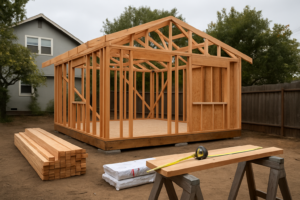
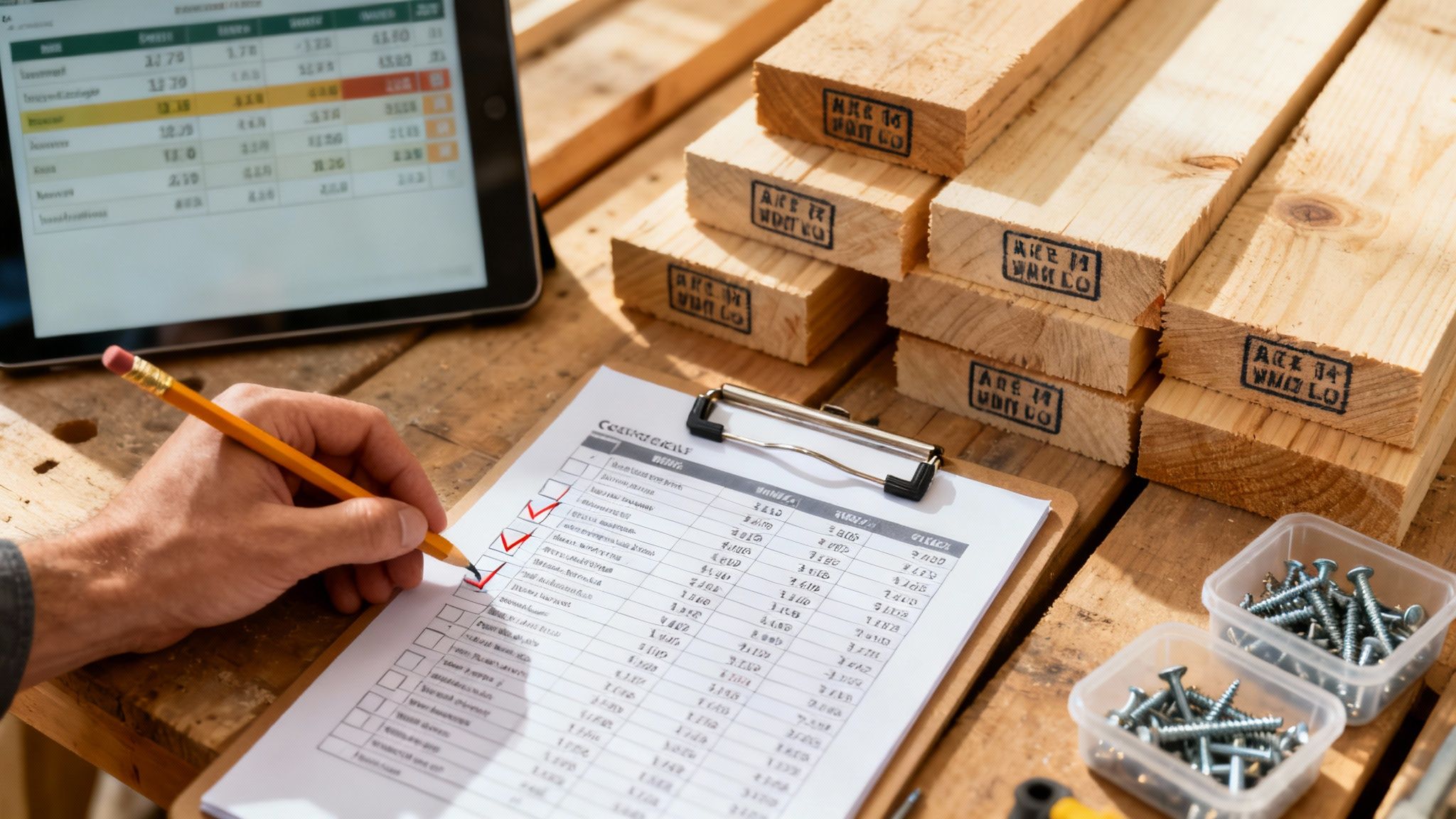
Getting a fair price on lumber and hardware means looking beyond the sticker price. A good deal comes from knowing the material grades you’re buying and comparing detailed quotes from different suppliers. It's also about the value of service, delivery, and availability. Price transparency can feel hard to find, but asking for a breakdown is the first step to shopping with confidence.
Why Lumber Prices Can Be So Confusing
Walking into a local lumberyard in Berkeley or Oakland can feel confusing. Many homeowners and DIYers feel lost when they don't see prices posted. It’s fair to ask: Why is this so hard? Transparency is important, especially when you’re trying to create a budget.
The lack of visible pricing isn’t a strategy to hide anything. It’s a result of a constantly changing market. The cost of materials like Douglas Fir and Redwood can shift from one day to the next. These changes are driven by factors that are out of a local supplier's control.
- Freight and Fuel Costs: Getting lumber from mills to our Bay Area yards is an expense that changes all the time.
- Supplier and Mill Rates: Sawmills adjust prices based on supply and demand.
- Tariffs and Trade Policies: National policies can add unexpected costs overnight.
- Inflation: The wider economy directly impacts the cost of building materials.
With so many changes, posting permanent price signs would be impractical. A price printed on Monday could be wrong by Tuesday, which would lead to more frustration.
The Right Way to Ask About Prices
This price confusion has pushed some DIYers toward big-box stores. One Reddit user said they stick to Lowe’s because they can see prices upfront and don’t feel embarrassed asking for help.
But assuming a local supplier is hiding prices is a common misstep. In reality, you could miss out on better materials and expert advice that will save you money and headaches. The best approach is to ask for a quote and a price breakdown.
A good supplier will gladly walk you through the numbers for your project. They can explain the current market rate, tell you what they have in stock, and suggest smart alternatives to fit your budget. This kind of conversation is standard for professional contractors, and every customer should feel comfortable having it.
How Truitt & White Helps You Shop with Confidence
At Truitt & White, we understand. We’re working to make pricing more transparent for everyone—DIYers and pros alike.
In our Berkeley hardware store and lumberyard, we post prices on common lumber and hardware where costs are more stable. For everything else, our team is happy to walk you through the numbers. No jargon, no runaround—just real answers.
If you’re shopping for tools, fasteners, or materials in Berkeley or the East Bay, stop by our store. We’re here to help you shop confidently, even if it’s your first time in a yard. Just ask—we’ll show you how it works.
Comparing Apples to Apples on Lumber and Hardware
To know if you’re getting a fair price, you have to compare the exact same products. A quote that just says “2x4s” might seem simple. But the details behind that name can lead to big differences in cost and performance.
Think of it like buying a car. Two sedans might look similar, but one could have a V8 engine while the other has a basic four-cylinder. The same is true for lumber and hardware. The grade, species, and treatment create different price points for good reasons.
Understanding Lumber Grades and Dimensions
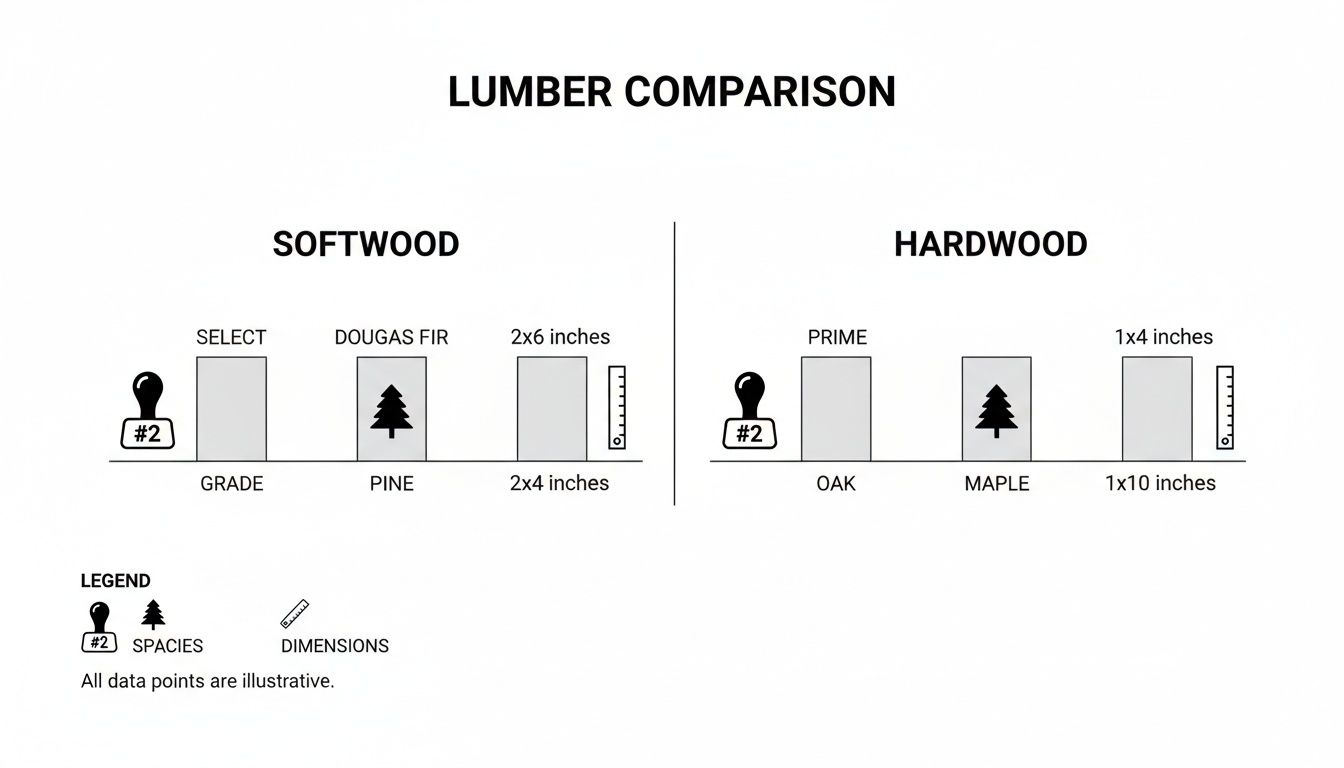
Look at a pile of framing lumber and you’ll see stamps printed on the wood. These marks tell you about its quality and intended use. Learning to read them helps clarify what you're paying for.
One common grade you’ll see in the Bay Area is #2 & Better. This is a solid grade for most general construction framing. A lower grade, like #3, will be cheaper but have more knots, making it unsuitable for most structural jobs.
You also need to pay attention to the species.
- Douglas Fir: This is the workhorse for construction in Berkeley and Oakland due to its excellent strength-to-weight ratio.
- Redwood: Often used for decks and fences, its natural resistance to rot and insects means it costs more, especially for clearer grades.
Another point of confusion is nominal vs. actual dimensions. That “2×4” you’re buying isn’t actually 2 inches by 4 inches. Its true dimension is closer to 1.5 inches by 3.5 inches. This is standard in the industry, but it’s important to know.
Choosing the Right Hardware for Bay Area Buildings
Hardware pricing is also driven by details like the material and its protective coating. In our coastal climate, from San Francisco fog to the East Bay hills, this choice is critical for preventing rust.
For example, when building a deck, galvanized screws are a good, cost-effective option. However, for projects closer to the bay, stainless steel is a far superior investment. It costs more upfront but offers much better protection against rust and structural weakness.
Brand reputation also matters. Products from a Bay Area company like Simpson Strong-Tie are engineered to meet California’s strict building codes, including seismic requirements. A generic connector might be cheaper but won’t offer the same safety.
When you compare quotes, look at specific product numbers. A quote that just lists “joist hangers” is too vague. A detailed quote specifying a Simpson Strong-Tie LUS210 hanger gives you a clear benchmark for comparison.
A fair price isn’t just the lowest number. It’s the right price for the right material to make your project safe, durable, and successful. You can get more familiar with the specifics by checking out our guide on framing lumber grades.
Using Market Benchmarks to Check Local Prices
Once you have the exact specs for your materials, you can see if a local quote is fair. This means looking at the bigger industry picture. Understanding market benchmarks is how pros in Berkeley and across the Bay Area ensure they’re getting competitive pricing.
You don't need to be a commodities trader to get the idea. A few key reference points can tell you if a price is in the right ballpark.
Understanding the Big Picture with Price Indexes
A good way to check framing lumber prices is to watch the Framing Lumber Composite Price. This is an industry benchmark that shows wholesale lumber costs. Suppliers like Truitt & White, who have served Bay Area contractors since 1946, already offer prices aligned with these benchmarks.
Market trends can shift quickly. For example, tariffs or supply chain issues can cause prices to spike. According to the NAHB, regulatory costs can also add to the final price of a project. For a deeper dive on these market forces, you can check out the latest lumber price updates from industry analysts.
How Benchmarks Affect Your Local Quote
So, how does a wholesale price on the national market relate to a quote from a lumberyard in Oakland? The price you see includes several necessary costs on top of the wholesale rate:
- Freight and Logistics: This covers getting lumber from mills in the Pacific Northwest to the Bay Area.
- Yard Overhead: These are the costs of running a local lumberyard, like staff and storage.
- Local Market Demand: High demand for construction in our region can also affect pricing.
A fair local price will reflect these factors. At Truitt & White, our long-standing relationships with mills help us keep these extra costs reasonable.
Asking for a Detailed Takeoff
The best tool you have for checking prices is a detailed quote, often called a takeoff or a material list. This is an itemized breakdown of every component for your project, with quantities and unit prices.
A supplier who won't give you a line-item breakdown should be a red flag. Transparency is a sign of a trustworthy partner.
This detailed list lets you compare quotes from different suppliers accurately. For a look at how large-scale operations track and manage all this, exploring the features of residential construction management software can be really insightful.
When you review a takeoff, ask questions to avoid hidden costs.
- Is this price per linear foot or board foot?
- What are the delivery fees to my job site in San Francisco?
- Are there any fuel surcharges?
- What is your return policy for unused materials?
Understanding a supplier’s pricing, including their markup, is essential. To get a better handle on industry standards, take a look at our guide on how contractor markup on materials works.
The Hidden Value Beyond the Price Tag
We’ve all been there. You get a few quotes, and one is noticeably cheaper. But the cheapest quote is rarely the best deal, especially when your timeline and reputation are on the line. Focusing only on the lowest price often costs more in the long run.
True value comes from a supplier who acts like a partner.
Think about the cost of a small mistake. A late delivery can leave a crew standing around for hours, wasting money. Getting the wrong materials means rework and another trip to the yard. These are budget-killers.
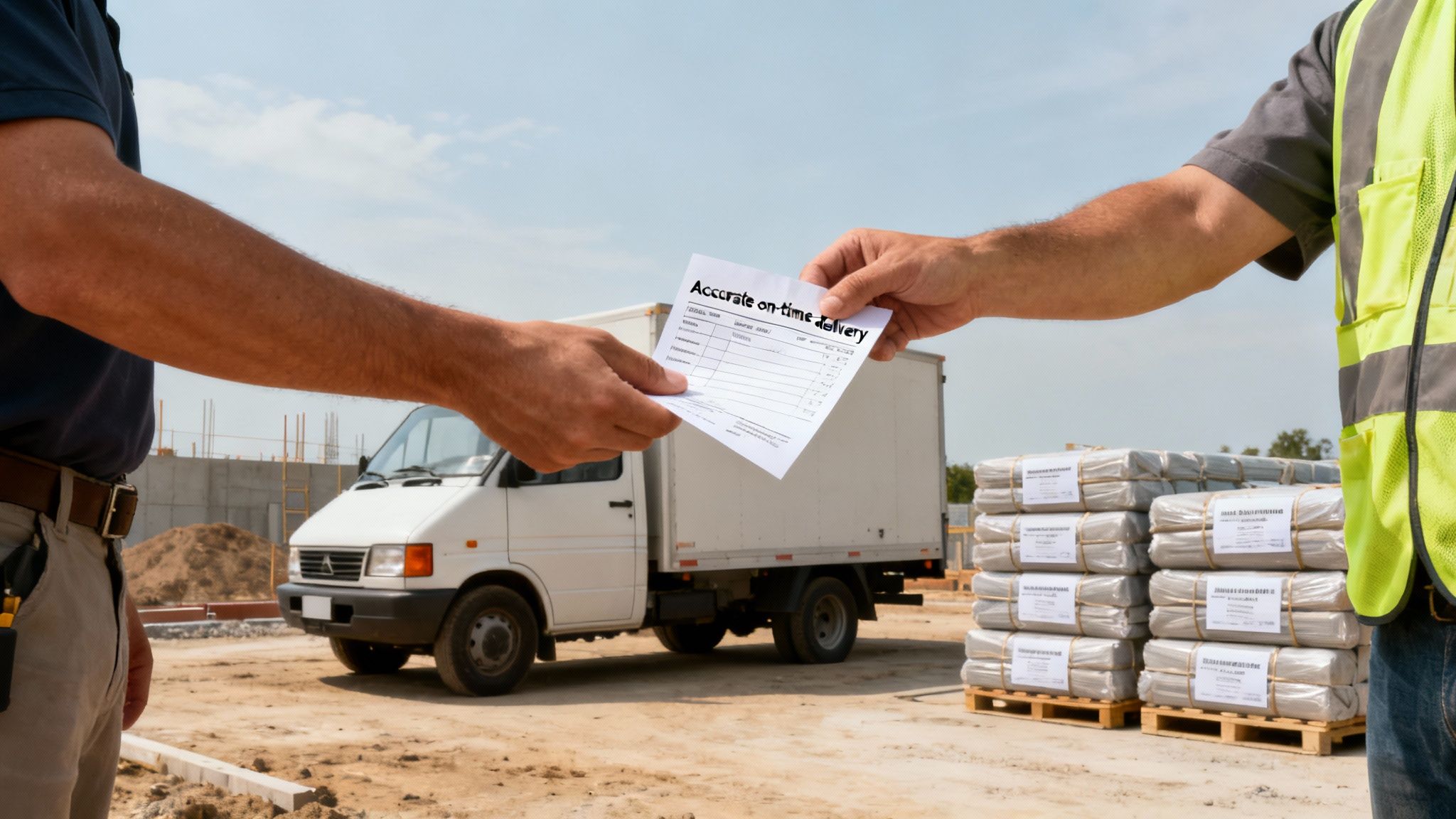
A genuinely fair price includes the reliability and expertise that prevent these headaches. This is where the hidden value of a dependable supplier shines.
What Does Real Value Look Like?
A quality supplier invests in systems and people that protect your bottom line. Their value isn't just in the 2x4s; it's in the service that comes with them.
The true cost of materials isn't just the purchase price. It’s the total cost of getting the right materials to the right place at the right time, with the expertise to back it up.
Here’s what that value looks like:
- Expert Advice: An experienced salesperson can spot issues in your materials list before you order. They can suggest a more cost-effective material or ensure your hardware meets Berkeley's codes.
- Accurate Orders: A pro yard double-checks every order so you get exactly what you paid for the first time.
- Reliable Delivery: With a dedicated delivery fleet, materials show up on time so your crew can get to work.
- Deep Inventory: A well-stocked yard means you can get what you need without frustrating delays. For contractors, exploring quality lumber options in the East Bay shows the importance of inventory depth.
A reliable partner like Truitt & White provides the peace of mind that keeps your projects moving smoothly. That reliability is a huge part of getting a genuinely fair price.
Frequently Asked Questions
Figuring out material costs can be tough, but getting clarity is simpler than you'd think. Here are answers to common questions we hear from builders, remodelers, and homeowners in the Bay Area.
Why don’t local lumberyards post all their prices?
Lumber costs can change overnight due to market factors like freight and mill pricing. Posting a price that might be outdated by tomorrow would be misleading. Instead, a good yard will give you an up-to-the-minute quote for your specific list. At Truitt & White, we post prices for many common items and are always ready to provide a current quote for your project.
Is it always cheaper to buy from a big-box store?
It might seem cheaper for a single item, but for a full project, local lumberyards are often more competitive. More importantly, you usually get higher-grade materials and valuable services like accurate, on-time delivery. These services prevent costly delays and mistakes that can blow up a budget.
How can I budget for a project with changing lumber prices?
The best strategy is to get a detailed quote from your supplier that they will honor for a specific time. A good relationship with your supplier helps here. Ask your sales rep what they see in the market to help you plan your budget with confidence.
What is the best way to compare quotes from different suppliers?
To compare quotes accurately, make sure both are for the exact same materials. Check the lumber grade, species, dimensions, and hardware specs for each line item. Don't forget to factor in other costs like delivery fees, return policies, and the supplier's reputation for reliability.
Can I get a discount if I buy in bulk?
Yes, most independent lumberyards offer volume discounts for larger projects. The best way to get a good price is to bring in your complete materials list and ask for a comprehensive project quote. This allows us to give you the best possible price for the entire job.
At Truitt & White, our team is here to provide transparent pricing and expert advice to help you shop with confidence. We want to be your partner, making sure you get the right materials at a fair price, every time. Visit our Berkeley showroom or connect with us for a quote today.