When builders ask, "Where can I find quality lumber in the East Bay?", they are really asking something else. They want to know where to find materials that won't warp, crack, or cause expensive callbacks. For pros in Berkeley, Oakland, and the surrounding areas, a trusted local lumberyard is the answer.
Why Quality Lumber is Critical in the Bay Area
Sourcing good lumber here is about more than just finding straight boards. It’s about finding wood that can handle our unique climate. Lumber needs to resist warping from coastal fog and cracking from dry inland heat.
Using low-quality materials in the Bay Area can lead to project delays and busted budgets. Even worse, it can damage your professional reputation. That's why smart contractors and architects prioritize material quality over a cheap price tag.
The Common Misstep to Avoid
A frequent mistake is thinking all lumber is created equal. This leads buyers to focus only on price. They often overlook key details that affect performance, like the wood's grade, how it was dried, and where it was stored.

What to Do Instead
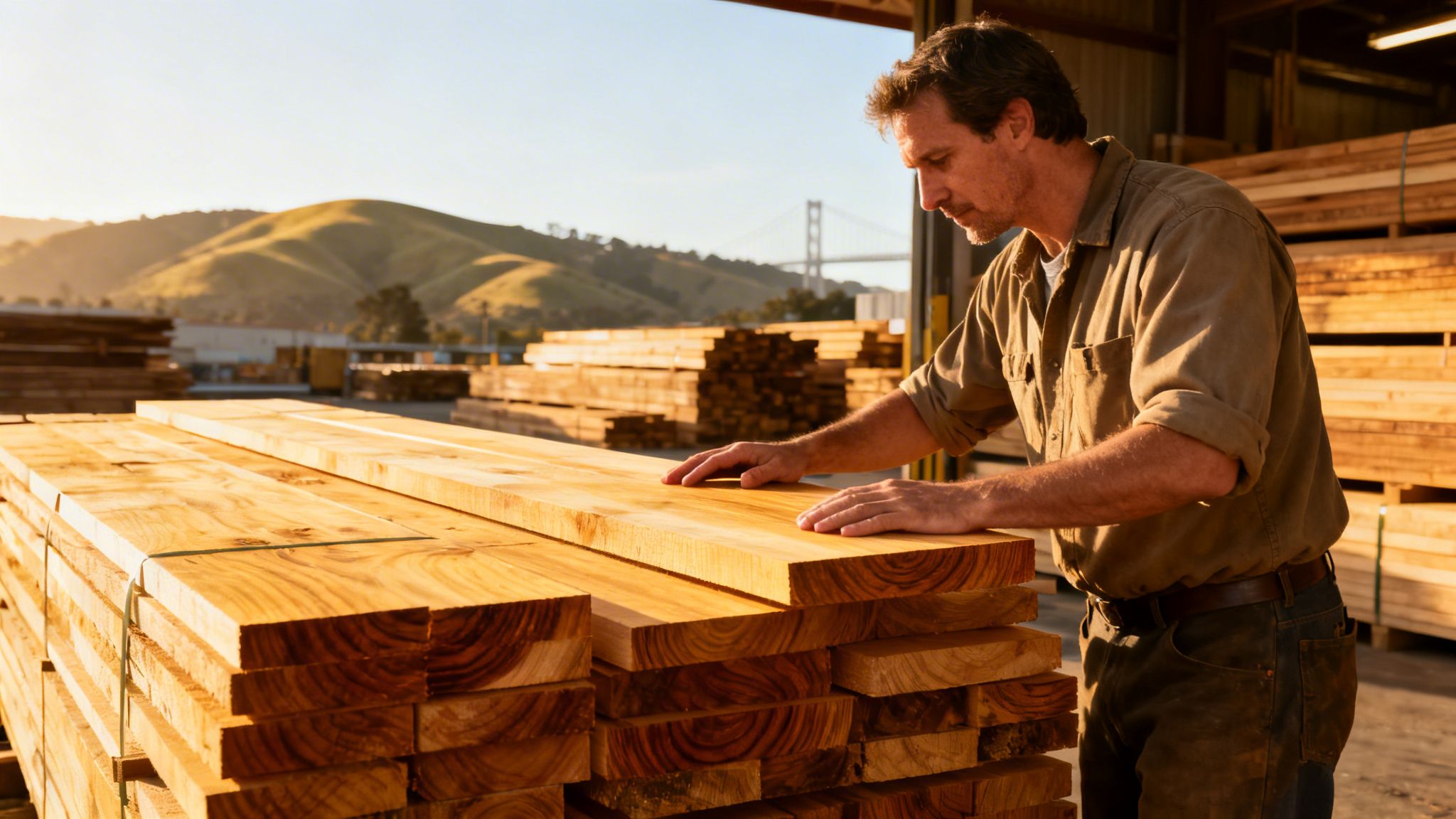
Instead of sorting through piles of subpar wood at a big-box store, visit a supplier that stocks higher-grade lumber. Their staff can explain the real-world differences between options. For example, they can clarify the benefits of kiln-dried lumber versus green lumber for our local climate.
At Truitt & White, we hand-select our lumber and store it properly to prevent damage. Our knowledgeable team helps match the right material to your project needs. We make sure every board meets the high standards for construction in the East Bay.
For more details on wood quality, see our guide to framing lumber grades.
The Professional Lumberyard Advantage
Every builder in the East Bay has felt the frustration. You go to a big-box store for lumber and waste an hour picking through twisted and warped boards. Professionals know there is a better way.
A dedicated lumberyard operates differently. Instead of moving large volumes of inconsistent material, a yard like Truitt & White focuses on quality. We source, store, and sell premium lumber that meets the demands of serious construction.
Expertise That Saves You Time and Money
The biggest difference is the people. At a professional lumberyard, you talk to staff with years of hands-on experience. They understand the specific challenges of building in Berkeley and Oakland.
This expertise saves you money. A knowledgeable team member can help you with:
- Material Selection: Recommending the right species and grade, like rot-resistant redwood for a deck in the damp Berkeley hills.
- Code Compliance: Ensuring your materials meet local building codes for seismic and fire safety.
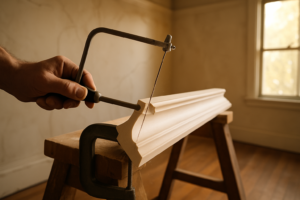
- Problem-Solving: Offering real solutions, from matching historic molding to suggesting the right engineered wood products for a long span.
Superior Inventory and Storage
Lumber quality is determined long before it reaches your truck. Professional yards invest in proper storage to protect wood from the Bay Area's changing weather. This prevents the defects common in big-box store lumber.
Proper storage means keeping wood stickered for airflow and covered to prevent sun and rain damage. The result is a consistent supply of higher-grade lumber. This reduces job site waste and saves labor time, as your crew isn't fighting crooked studs.
Choosing a professional lumberyard is an investment in quality and efficiency. Learn more about why Truitt & White is the best choice for contractors.
How to Spot High-Quality Lumber
Walking into a lumberyard without knowing what to look for can be tricky. Developing an eye for quality lumber is a key skill for builders. It is especially important when working in the demanding Bay Area environment.
The first step is to look beyond the surface. A board may seem straight from a distance, but a closer look tells the real story. Check for physical defects and understand the markings on the wood.
This flowchart shows the difference between sourcing from a big-box store versus a professional lumberyard.

As you can see, a pro yard’s careful sourcing and storage lead to more reliable boards for your job site.
Understanding Grade Stamps
Every piece of structural lumber has a grade stamp, which is like its report card. It tells you about its strength and quality.
A grade stamp includes:
- Species Mark: Identifies the wood type, like Douglas Fir-Larch (DF-L).
- Grade: Shows the quality. You'll see grades like Select Structural, No. 1, and No. 2. For most framing jobs, No. 2 & Better is the standard.
- Moisture Content: Look for "S-DRY," which means it was dried to a moisture content of 19% or less. This makes it much more stable.
Checking for Physical Defects
After checking the grade stamp, inspect the board yourself. Sight down the edge to check for straightness. This simple check can reveal many common problems.
A quick visual inspection can save you hours of frustration. Taking 30 seconds to check for crowns, cups, or twists ensures you work with good material.
Here are a few common defects to look for:
- Crown: A slight curve along the narrow edge. A small crown is normal.
- Cup: A "U"-shaped warp across the wide face of the board.
- Twist: When the corners of the board don't sit on a flat plane.
- Checks & Splits: Cracks on the surface or ends. Deep splits weaken the wood.
By combining an understanding of grade stamps with a visual check, you can confidently pick the best lumber. This is why sourcing from a trusted supplier makes all the difference—they've already done most of this quality control for you.
Meeting East Bay Building Codes and Sustainability Goals
Building in the Bay Area involves more than just weather. Projects must navigate strict regulations and meet high client expectations for sustainability. Sourcing the right lumber is a critical step for a successful, compliant project.
Materials must meet California's tough building codes. This is especially true for seismic safety and fire resistance in Wildland-Urban Interface (WUI) zones. A good supplier helps you choose compliant materials from the start.

The Rise of ADUs and Green Building
The demand for high-quality, compliant materials is higher than ever. The boom in Accessory Dwelling Unit (ADU) projects is driving a high demand for lumber. At the same time, clients increasingly prefer sustainable, or "green," building practices.
For today’s Bay Area clients, sustainability is a core requirement. Partnering with a supplier who understands green building helps you deliver a project that aligns with community values.
To meet both code and green building goals, choose the right materials. A reliable supplier can help you source:
- FSC-Certified Wood: The Forest Stewardship Council (FSC) certification ensures wood comes from responsibly managed forests.
- Engineered Wood Products: Materials like I-joists and laminated veneer lumber (LVL) are strong and consistent.
- Durable, Low-Maintenance Options: Naturally rot-resistant species like redwood or cedar reduce the need for chemical treatments.
Navigating building codes and green mandates can be complex. For a deeper look, read about how Berkeley’s new green building mandates change your window and lumber choices. A local partner like Truitt & White ensures your project is built to last and is fully compliant.
Your Go-To Lumberyard in Berkeley
For decades, Truitt & White has been the trusted source for quality lumber in the East Bay. We hand-select our inventory to ensure it can handle the Bay Area's climate. This means fewer defects on the job site and less waste for you.
If you are building or renovating in Berkeley, Oakland, or nearby, stop by Truitt & White. We offer reliable, durable lumber options trusted by pros across the East Bay. We are your local Professional Builders Supply Store in Berkeley CA.
Frequently Asked Questions (FAQ)
What is the difference between construction grade and finish grade lumber?
Construction grade lumber, like Douglas Fir, is used for the structural parts of a building such as wall studs and floor joists. Finish grade lumber, like clear redwood, is chosen for its appearance and used for visible elements like trim and decking.
Why is kiln-dried lumber better for Bay Area projects?
The Bay Area’s climate has frequent humidity swings, which can cause untreated "green" lumber to warp and shrink. Kiln-dried lumber is stabilized to a low moisture content, making it far more stable and reliable for our local conditions.
Can I get lumber delivered to my job site in Oakland?
Yes, absolutely. Reputable local suppliers like Truitt & White offer reliable delivery services across the East Bay, including Oakland and Berkeley. This service saves you time and keeps your project on schedule.
Do I need to worry about where my lumber is sourced?
Yes, sourcing matters in California. Many Bay Area clients and green building programs require sustainably harvested wood, like that certified by the Forest Stewardship Council (FSC). A quality supplier can provide documentation to meet these standards.
Is higher-grade lumber worth the extra cost?
For professionals, yes. While higher-grade lumber may have a slightly higher upfront cost, it saves money in the long run. It results in less waste, faster installation, and fewer costly callbacks, making it a smarter investment.
For expert advice and premium, hand-selected lumber for your next project, trust the team at Truitt & White. Visit our Berkeley showroom or connect with us online to get started.