
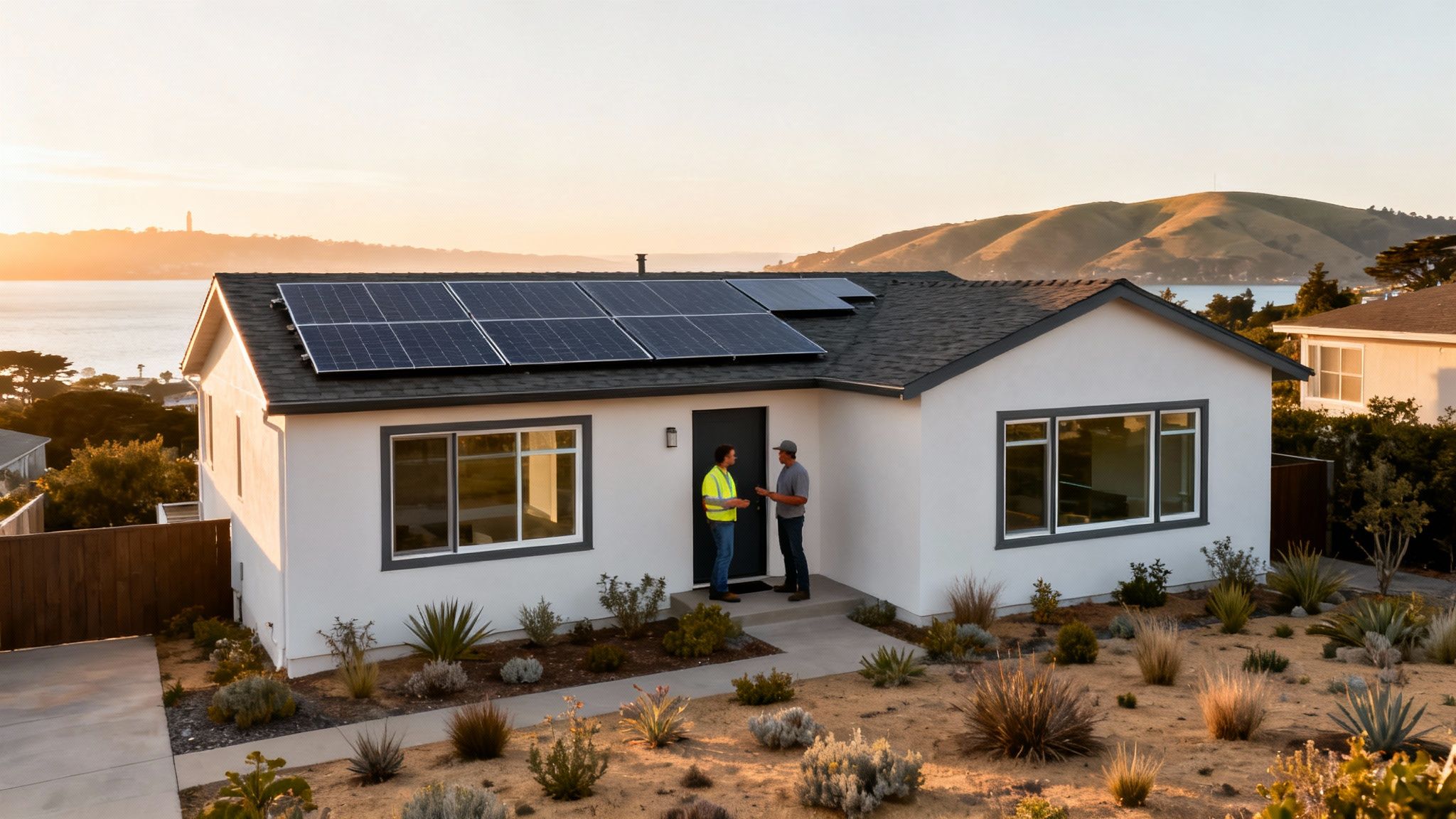
Thinking about a renovation in the Bay Area? It's a big project, but many homeowners are choosing now to invest in energy-saving upgrades. This guide explains why this trend is happening and how you can make smart choices for your home.
We'll cover the real benefits, from lower utility bills to a more comfortable and sustainable living space.
Why Energy-Efficient Renovations Are Trending in the Bay Area
For builders, contractors, and homeowners in Berkeley and Oakland, understanding the market is key. Renovating today is about more than just looks. It’s a smart move to improve your home's performance and value.
This guide will help you plan for future-proof upgrades.
Homeowners Are Investing in Upgrades Instead of Moving
High interest rates are making it tough to move. Because of this, many homeowners are choosing to improve their current homes. In fact, 56% of homeowners renovated in 2023.
The median spending on renovations has also surged 60% since 2020. People are investing in upgrades that improve energy efficiency and pay back over time.
The Push for Sustainable and Resilient Homes
The Bay Area is known for being environmentally conscious. This means there's a high demand for green building practices. Local residents are aware of climate challenges like wildfire risks.
This has created a demand for renovations that save energy and create healthier homes. Key reasons for this shift include:
- A desire for lower utility bills as energy costs rise.
- Increased comfort from better insulation and high-performance windows.
- Improved indoor air quality from sealing air leaks.
- The need to meet strict local building codes, like California's Title 24.
This focus on better living is a core part of modern Bay Area construction. You can learn more in our overview of what sustainable building entails.
Planning Your Energy-Saving Renovation
A successful renovation starts with a good plan. This planning stage is the most important step to ensure your investment pays off. It's about more than just how your home will look.
For homeowners and contractors in the Bay Area, a solid plan must consider our region's unique needs. This includes improving air quality, building for wildfire safety, and meeting strict energy codes.
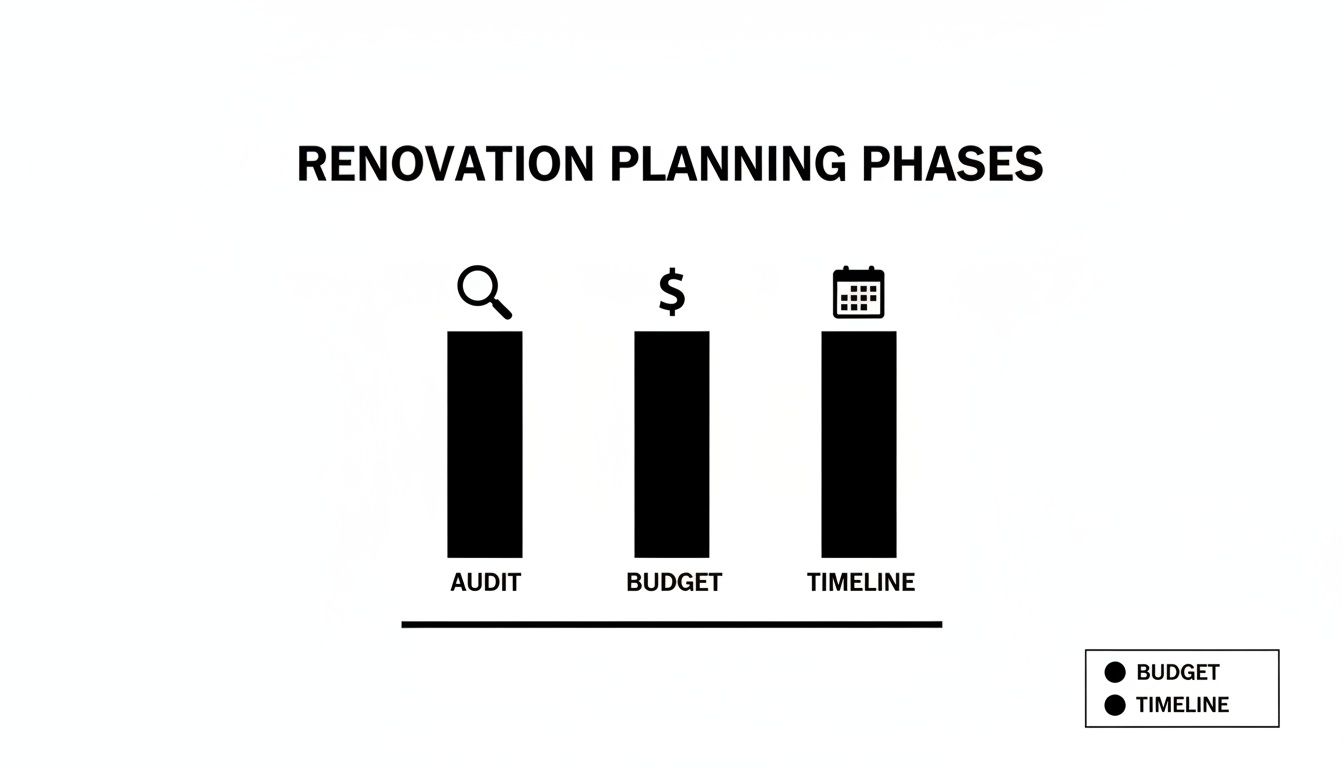
Start With a Home Energy Audit
Before buying new windows or insulation, find out where your home is losing energy. A professional home energy audit is the best way to do this. An auditor uses special tools to find air leaks and poorly insulated areas.
The audit gives you a clear to-do list. It shows which upgrades will provide the biggest return on your investment. This helps you spend your money wisely.
Align Your Goals with Bay Area Needs
Once you know your home's weak points, you can set project goals. Saving money is important, but Bay Area renovations have other factors to consider.
Think about materials that address local challenges:
- Wildfire Resilience: In areas like the Berkeley and Oakland hills, use fire-resistant materials for siding and roofing.
- Indoor Air Quality: A well-sealed home needs proper ventilation to stay healthy. Consider upgrades like energy recovery ventilators (ERVs).
- Sustainability: Choose eco-certified lumber and materials with recycled content to meet green building standards.
Create a Realistic Budget and Timeline
With your goals set, it's time to create a budget. Bay Area remodels have high costs for labor and materials, so plan carefully. Remember to budget for work behind the walls, like insulation.
A clear timeline is also essential. It keeps your contractors, material deliveries, and permits on track. For help, see our guide for creating a home renovation timeline.
Where to Invest for the Biggest Energy Savings
When planning an energy-saving renovation, some upgrades have a bigger impact than others. The goal is to focus on improvements that significantly cut your utility bills and improve comfort. Smart investments deliver value for years.
For builders and homeowners in the Bay Area, this means focusing on a few key areas. These upgrades work well in our climate and help you meet local codes like Title 24.
Starting with an audit helps you direct your budget to the most effective upgrades. It’s a smarter way to invest. Let's compare some of the best energy-saving renovations.
Benefits of Energy-Efficient Windows in the Bay Area
Old, leaky windows and doors are major sources of energy loss. They let conditioned air escape and outside air in. This forces your heating and cooling systems to work much harder.
High-performance windows and doors create a strong thermal barrier. Brands like Marvin use advanced technology like low-emissivity (Low-E) coatings. These coatings reflect heat, keeping your home cooler in summer and warmer in winter.
Choosing the right windows is key to meeting California's Title 24 energy standards. Learn more in our guide on the best windows for energy efficiency.
Prioritize Attic and Wall Insulation
Insulation is one of the most cost-effective ways to improve a home's energy efficiency. A poorly insulated attic causes major heat loss in winter and heat gain in summer. This makes your HVAC system work overtime.
Upgrading insulation provides a thermal blanket for your home. This simple change can dramatically lower your energy bills. Federal tax incentives from the 2022 IRA have driven insulation prices up 20%, showing strong demand for these upgrades.
Seal the Building Envelope
An airtight home is an energy-efficient home. The "building envelope" includes your walls, roof, foundation, windows, and doors. It's the barrier between your home and the outside.
Tiny cracks in this envelope can lead to huge energy waste. Air sealing involves using caulk and foam to plug these leaks. Common problem areas include around pipes, outlets, and window frames.
A tighter home also improves indoor air quality by keeping pollutants out. For contractors in Berkeley, a sealed envelope is essential for meeting Title 24 targets. For more tips, see this guide on how to improve home energy efficiency.
Choosing the Right Berkeley Building Materials
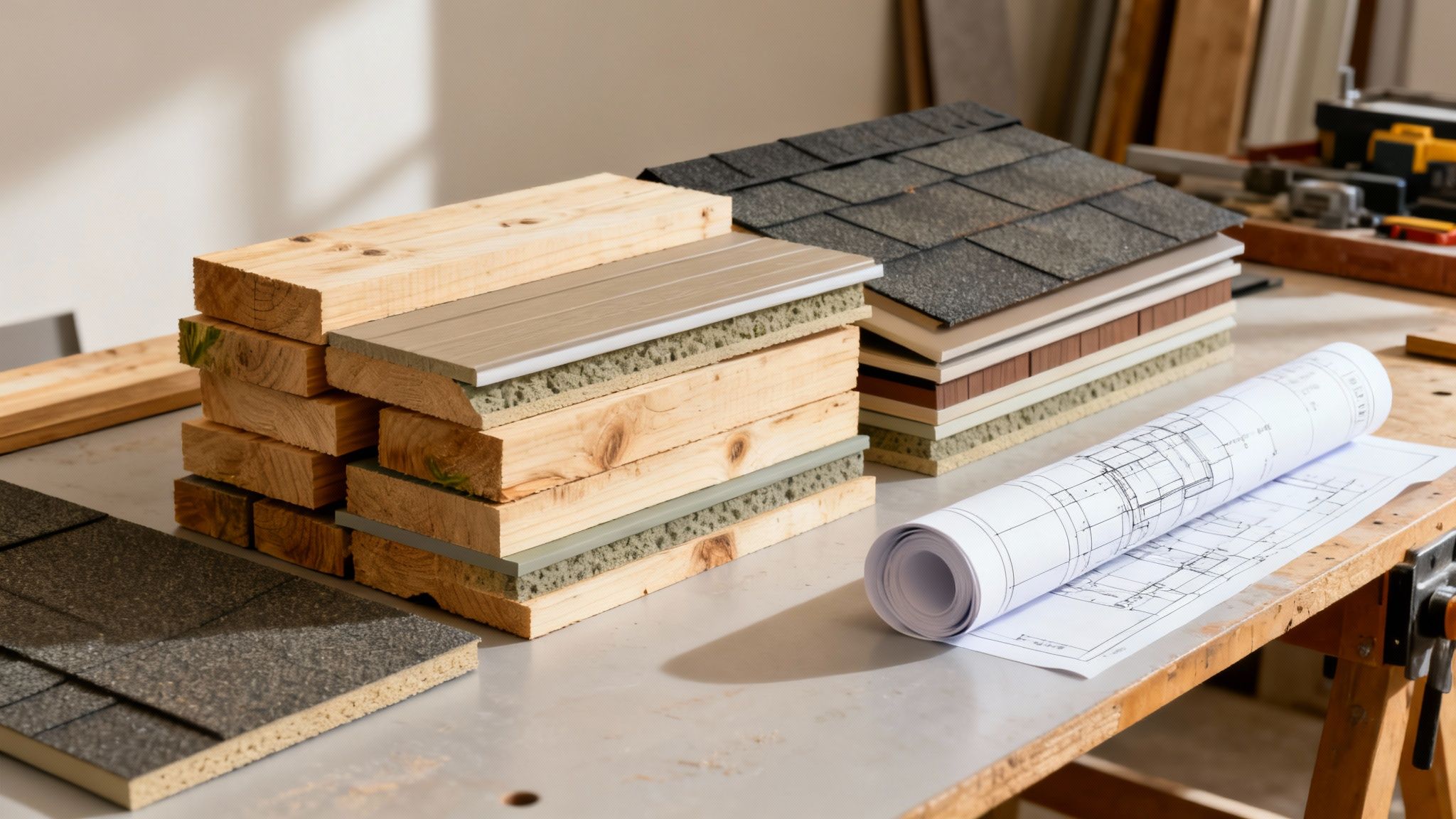
The materials you choose are the foundation of your renovation. They affect your home's energy performance, durability, and code compliance. For any builder in the Bay Area, selecting the right materials is essential.
This focus on quality is changing the industry. Today, 2 in 3 architects prioritize product quality and green building tools. This shows a growing demand for sustainable materials.
The Role of Eco-Certified Lumber
Sustainable building is a core value in the Bay Area. Using eco-certified lumber, like FSC-certified products, ensures materials come from responsibly managed forests. It supports the environment without sacrificing quality.
A well-built frame also minimizes air leakage and supports insulation. This contributes to the home's overall energy efficiency. Find more options in our guide to eco-friendly construction materials.
Siding and Roofing for Bay Area Climates
A home's exterior protects it from the elements. High-performance siding and roofing are vital for an energy-saving renovation. They play an active role in your home's thermal performance.
Here are a few options to consider:
- Fiber Cement Siding: This material is durable and resistant to fire, making it great for wildfire-prone areas.
- Cool Roofing Materials: Reflective "cool roofs" reduce heat absorption. According to the California Energy Commission, this can lower roof temperatures by up to 50°F.
- Advanced House Wraps: A quality weather-resistive barrier under your siding is key. It manages moisture and prevents air leaks.
Aligning Materials with Local Priorities
Your material choices should reflect your project's location. In Berkeley and Oakland, that means products that meet energy codes and offer wildfire resilience. A lumberyard near Oakland like Truitt & White can help you find the right supplies.
At Truitt & White, we stock products specifically for these regional challenges. Our team understands local requirements. We can guide you to materials that are compliant and optimized for our climate.
Navigating Bay Area Building Codes and Rebates
Understanding local building codes and financial incentives can be confusing. For builders and homeowners in the Bay Area, this knowledge is critical. It can simplify permits and save you money.
California's Title 24 energy code sets the standards for energy performance in homes. It has specific requirements for windows, insulation, and HVAC systems. Using compliant products is mandatory for most permitted work.
Demystifying California's Title 24 Energy Code
Think of Title 24 as the rulebook for building efficient homes in California. It sets minimum performance levels for your home's key components. The code is updated regularly.
For renovations, Title 24 affects your choices for:
- Windows and Doors: Products must meet specific U-factor and SHGC ratings.
- Insulation: The code requires minimum R-values for attics, walls, and floors.
- HVAC Systems: New heating and cooling systems must meet strict efficiency standards.
Choosing compliant materials from the start is the best approach. It ensures your project will pass inspection. To learn more, read our guide on how Berkeley's new green building mandates change your window and lumber choices.
Tapping into Local Rebates and Federal Tax Credits
You don't have to pay for all energy-saving upgrades yourself. Many programs offer financial incentives to help homeowners. These programs show a strong regional commitment to greener homes.
Key Programs for Bay Area Renovators
Finding and applying for these programs is easier with the right resources. Here are the top programs to check for your project:
- BayREN (Bay Area Regional Energy Network): Start here for local rebates on upgrades like insulation and water heaters.
- PG&E Programs: Your utility provider often has its own rebates for ENERGY STAR® certified appliances.
- Federal Energy Tax Credits: The Inflation Reduction Act of 2022 offers tax credits for new windows, doors, insulation, and more.
When planning HVAC upgrades, understanding local rules is key. This California air duct installation guide provides a helpful overview.
Your Partner For a Successful Bay Area Renovation
A successful energy-saving renovation depends on expert advice and the right materials. This guide provides the roadmap. The next step is bringing your plan to life.
With the median remodel cost reaching $24,000 in 2023, selecting high-performance materials is crucial. Upgrades like energy-efficient Bay Area windows and doors maximize your return on investment.
Your Local Experts in Berkeley
Renovating in the Bay Area means dealing with local challenges. Our team understands these issues because we live and work here. We help builders, architects, and homeowners with every step.
We can assist with:
- Code Compliance: We'll help you understand Title 24 and choose compliant products.
- Product Selection: Get honest advice on the best windows, doors, and lumber for your project.
- Project Success: We partner with you to ensure your renovation is sustainable and built to last.
Let's Build Smarter, Together
For Bay Area homeowners planning a remodel, Truitt & White offers personalized advice and premium products. Our team has deep knowledge of local code requirements. Visit our Berkeley showroom for expert advice.
Ready to get started? Connect with a Truitt & White specialist today for expert guidance.
Frequently Asked Questions (FAQs)
1. What's the best first step for an energy-saving renovation?
Start with a professional home energy audit. An audit identifies exactly where your home is losing the most energy. This data-driven approach helps you prioritize upgrades that offer the biggest return on investment.
2. Are energy-efficient windows worth the cost in the Bay Area?
Yes, absolutely. High-performance windows do more than insulate. They help manage solar heat gain during warm afternoons and prevent heat loss on cool nights, which is perfect for the Bay Area's microclimates.
3. How can I find rebates for my renovation?
Check the websites for BayREN and your utility provider, like PG&E, for local programs. Also, look into federal tax credits available through the Inflation Reduction Act for qualifying high-efficiency products. Our team can help you identify eligible materials.
4. What does "Title 24 compliant" mean for my project?
"Title 24 compliant" means that materials like windows, doors, and insulation meet California's minimum energy performance standards. Using compliant products is a legal requirement for most renovations and is necessary to pass building inspections in cities like Berkeley and Oakland.
5. Can I complete my energy-saving upgrades in phases?
Yes, a phased approach is often the smartest way to manage a large project. Use your energy audit results to tackle the highest-priority items first, like air sealing and attic insulation. You can then move on to bigger projects like windows or HVAC systems as your budget allows.