Direct Answer: TimberTech Edge and Terrain are wood-plastic composite. AZEK is PVC with no wood fiber. The step up buys better moisture and stain resistance, lighter boards, and longer warranty coverage.
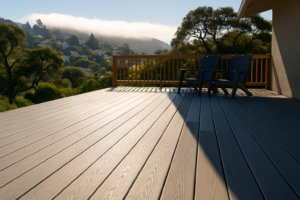
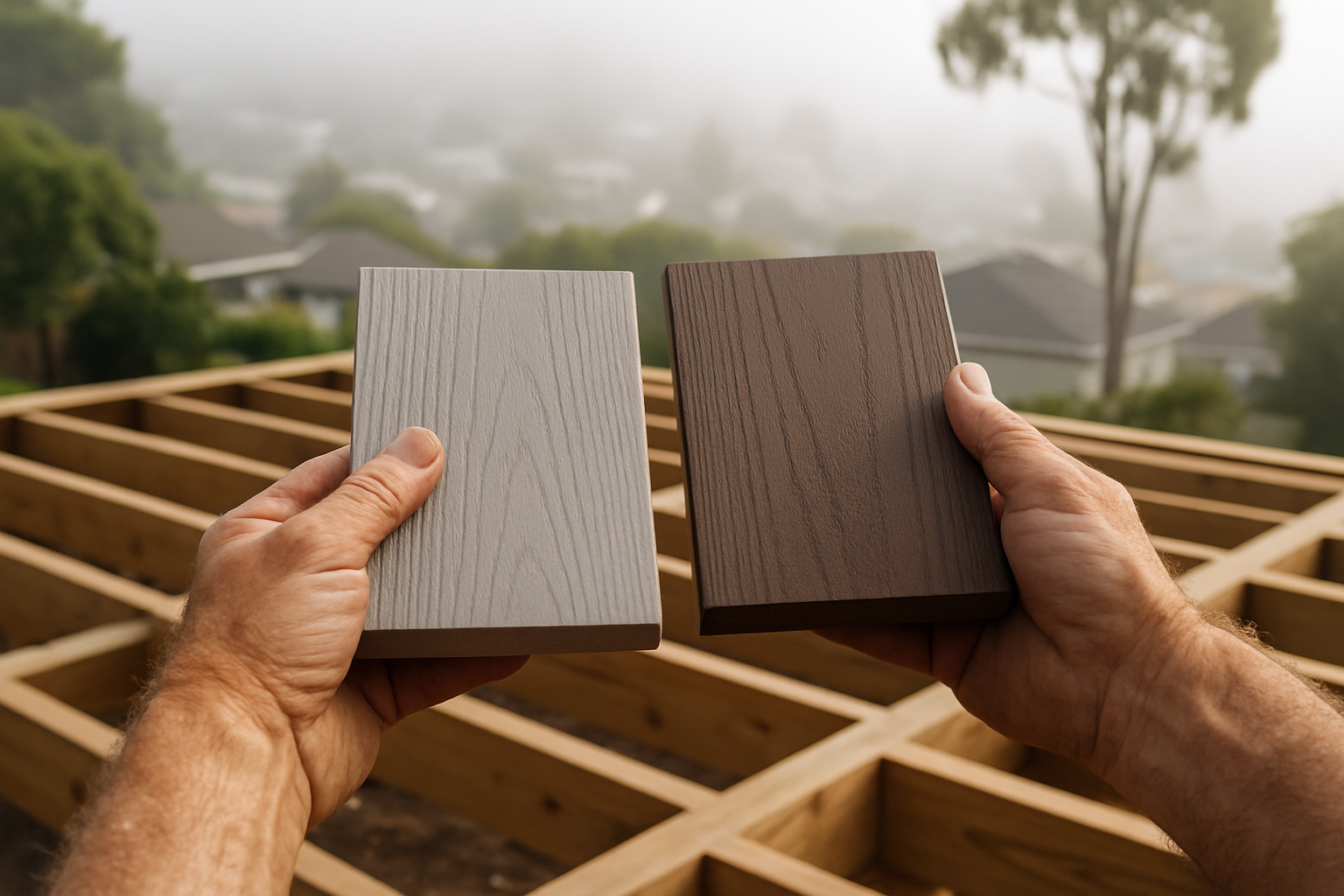
You are standing in front of four TimberTech sample boards. They all look like wood, they all feel solid, and the price per square foot is not even close between them. The question every customer asks in some form is the same: am I actually getting anything for the extra money, or am I paying for a nicer brochure?
It is a fair question, and the collection names do not help. Edge, Prime+, Terrain, AZEK. The naming reads like trim levels on a truck, but the real dividing line underneath is a material difference, not a marketing tier.
This guide walks through what separates the lines, how each one behaves in East Bay fog and full afternoon sun, and the fire and warranty questions to settle before you order. We sell all of it, so we have no reason to talk you into more board than your project needs.
Start With the Material, Not the Collection Name
Every TimberTech decision comes down to one fork in the road first. Everything else is detail.
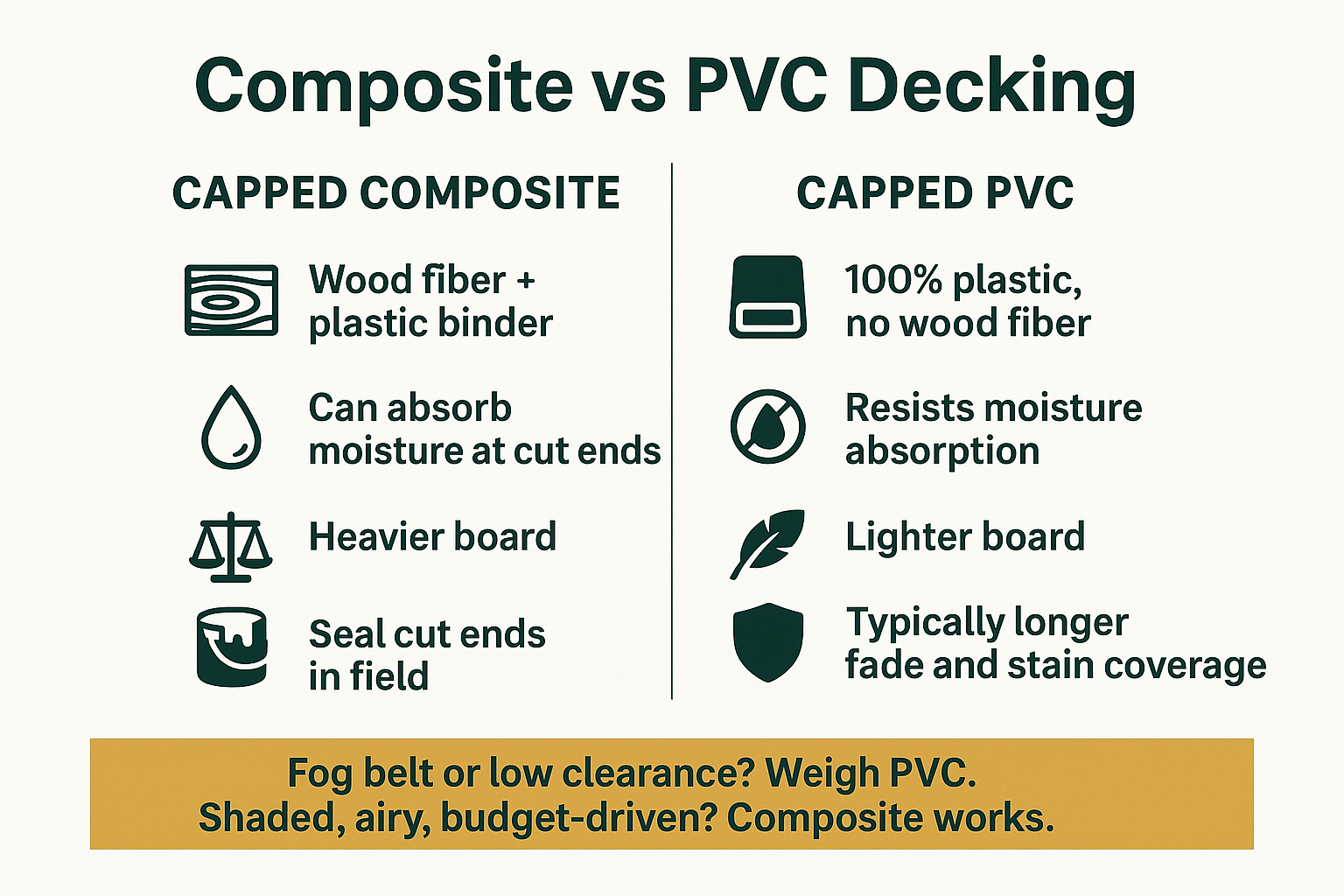
- Capped composite boards use wood flour mixed with a plastic binder, wrapped in a protective cap. Edge, including the Prime+ series, and the Terrain composite boards sit here.
- Capped PVC boards are 100 percent plastic. There is no wood fiber in the core at all. That is the AZEK side of the lineup.
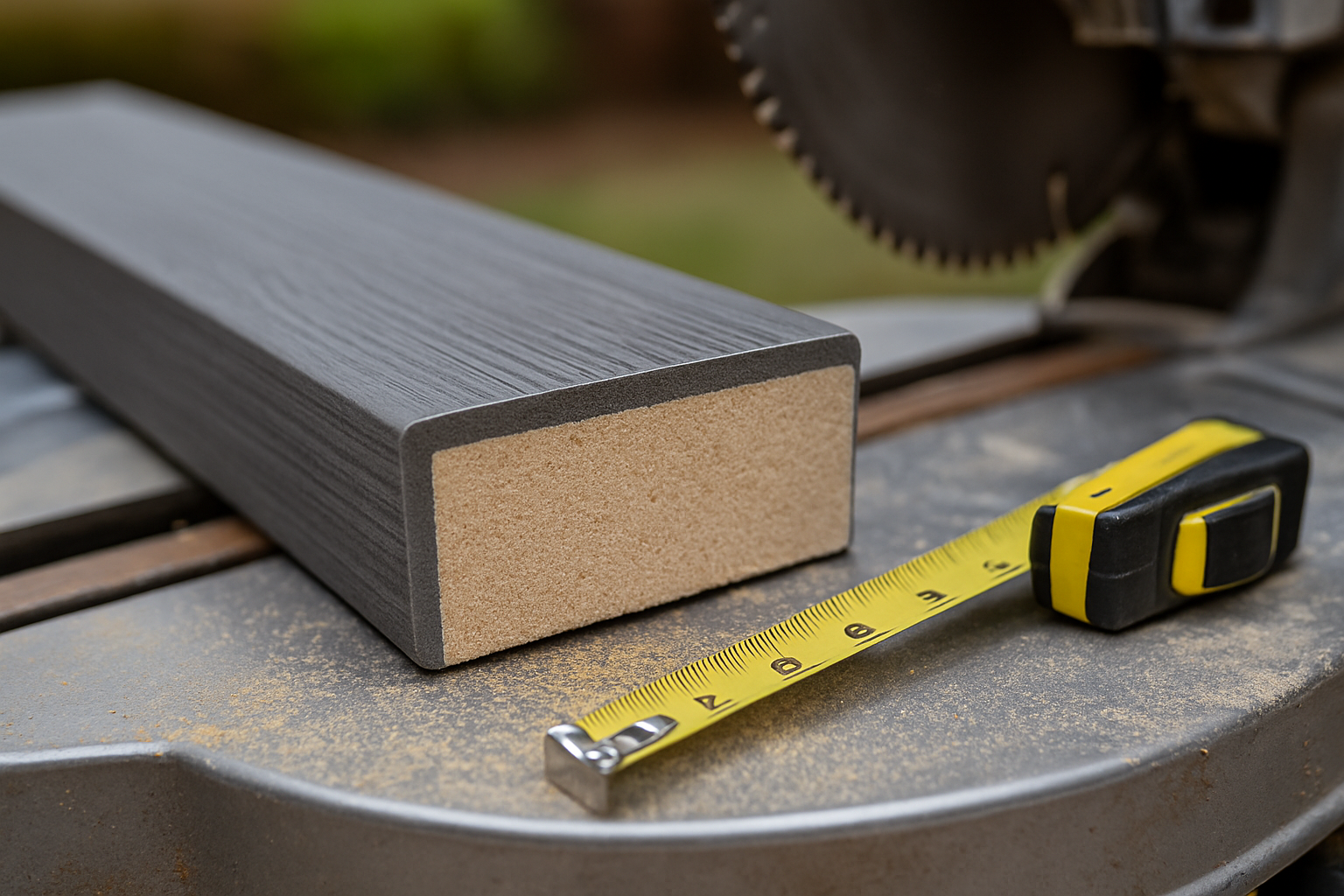
Wood fiber is not a flaw. It is what gives composite a denser feel and a warmer look underfoot. But wood fiber can take on some moisture, and the place it takes it on is the cut end, where the factory cap no longer wraps the board.
That matters more here than it does in Sacramento or Fresno. Berkeley, Oakland, and San Francisco decks live under a marine layer for months, and a north-facing deck in the Berkeley hills may not fully dry out between October and April.
So if you are running composite, seal your cut ends, and use the manufacturer’s fascia and cocktail rail details rather than field-improvising. PVC skips that concern almost entirely because there is nothing in the core for water to swell.
PVC is also noticeably lighter to carry up a hillside lot, which crews notice on a stair-access job in the Oakland hills more than they expect to.
What the Price Step Actually Buys You
When a customer steps from an entry composite up to a mid or premium line, the added cost usually covers four concrete things. Not vibes, not branding.
- Cap coverage. Entry boards are often capped on three sides, with the bottom left uncapped. Higher lines wrap all four. On a low deck over damp East Bay soil with limited airflow, four-sided capping is worth thinking hard about.
- Color and grain quality. Premium lines use multi-tone streaking and deeper embossing that reads less like plastic from six feet away.
- Fade and stain performance. Longer, stronger coverage on the higher lines, which we get into below.
- Core material. The jump to PVC is a real change in how the board handles water, not a finish upgrade.
On pricing, we will not quote a number here because decking moves with freight, color, length, and what the mills are doing. What we can say is that the spread between the entry composite and the premium PVC lines is usually significant enough to change a deck budget by thousands on a large project, and it narrows as a share of total cost once framing, hardware, railing, and labor are in the mix.
That last point is the one contractors raise most. If the boards are 20 percent of the finished job, a step up in board line moves the total far less than it looks like on a per square foot sheet. Call the yard with your square footage and a color and we will price the real thing.
TimberTech Product Lines Comparison at a Glance
A quick reference on how the families differ. Always confirm current specs and color availability before you order, since manufacturers revise collections.
| Family | Core material | General position | Best fit |
|---|---|---|---|
| Edge (incl. Prime+) | Capped wood composite | Entry to mid tier, often 3-side capped depending on series | Budget-conscious residential decks with decent airflow and partial shade |
| Terrain | Capped wood composite | Mid tier, richer graining than base Edge | Homeowners who want a wood look without moving to PVC pricing |
| AZEK (PVC) | Capped PVC, no wood fiber | Premium, four-side capped, lightest boards | Fog-belt decks, low-clearance framing, poolside and coastal exposure |
Composite or PVC: The Deciding Factors
The two-material split drives most of the real differences. Here is the short version.
Heat: The Honest Answer About Composite Decking in Full Sun
This is where marketing and jobsite reality drift apart, so we will be direct.
TimberTech markets heat-mitigating surface technology on some of its higher-end collections, and the manufacturer itself acknowledges those boards can still get hot in direct sun. Lighter colors in a premium line will run cooler than a dark color in an entry line. No composite or PVC board becomes a cool surface in full August sun.
On a west-facing Oakland deck with no tree cover, color choice and shade planning will do more for barefoot comfort than moving up a collection will. We have seen homeowners spend the upgrade money on the board and then buy a shade sail anyway.
A few things that actually change the outcome:
- Pick the lightest color you can live with on any full-sun exposure.
- Plan the pergola, awning, or tree line as part of the deck design, not after.
- Reserve the darkest colors for shaded, north-facing, or fog-exposed decks where heat is not the issue.
If sun exposure is the driving concern on your project, it is worth reading through which deck wood actually holds up in Bay Area sun before you settle on any material.
WUI Zones: Check the Fire Listing Before You Pick a Color
Contractors working Berkeley and Oakland hillside lots ask us about this constantly, and it is the one question where getting it wrong costs a redo.
TimberTech notes its composite is made from roughly 85 percent recycled material. Recycled content is an environmental claim. It has nothing to do with fire performance, and no inspector will accept it as one.
For a project in a wildland-urban interface zone, the question that matters is whether the specific product and thickness carries a California State Fire Marshal Building Materials Listing number. Not the brand. Not the collection. The exact product configuration.
Here is the order of operations we recommend:
- Confirm your parcel’s fire hazard severity zone with the local building department first.
- Search the state listing database maintained by the Office of the State Fire Marshal for the exact decking product and profile.
- Note the listing number and thickness restrictions, then pick your color from what remains on that list.
- Verify the assembly, including framing and any under-deck requirements, not just the board.
Starting with the listing and working backward to aesthetics saves a lot of grief. Zone boundaries around here shifted recently, so read up on what the Oakland and Berkeley fire hazard map changes mean for your project if you have not already.
The Warranty Questions Buyers Wish They Had Asked
Warranty is where the surprises land, usually years later. Coverage periods differ across the lines, and the fine print differs more than the headline number does.
Before you commit to a collection, get answers to these:
- How long is the limited warranty, and is fade and stain coverage the same length as the structural coverage? They often are not.
- Is the coverage different for residential versus commercial use? A multi-unit or short-term rental deck may fall under a shorter term.
- Does the warranty require compatible fasteners and hidden clips? Mixing in a generic clip system can affect a claim.
- What does fade coverage actually promise? It is typically a defined color change threshold under normal conditions, not a promise of no change.
- Is the coverage transferable if the house sells? For many owners in Berkeley and Albany, that is real money.
On a large deck, the gap between a 25-year and a 30-year term is not a small detail. That is genuine long-term exposure on a surface you may not want to rebuild twice.
If you are still weighing materials broadly, our decking material comparison guide for Bay Area pros covers how composite stacks up against redwood, hardwood, and thermally modified options.
Frequently Asked Questions About TimberTech Collections
Is AZEK just the expensive version of TimberTech?
No. AZEK is the PVC side of the same company’s lineup. It is priced higher, but the reason is a different core material with no wood fiber, not a fancier finish on the same board.
Do I still need to seal cut ends on capped composite?
Yes. The factory cap does not extend across a fresh cut, so the wood-fiber core is exposed at every rip and miter. In a fog-belt location, sealing cuts is cheap insurance against swelling and staining at the ends.
Can I use TimberTech decking in an Oakland hills WUI zone?
Some products, in some thicknesses, yes. The deciding factor is whether that exact product carries a California State Fire Marshal Building Materials Listing number and meets your local requirements. Confirm the listing with your building department before ordering, because the answer varies by product and profile.
Which line stays coolest underfoot?
Lighter colors in the premium PVC collections generally run cooler than dark colors in entry composite. But full sun is full sun. Shade planning and color selection will move the needle more than the collection tier does.
How far ahead should I order composite decking?
Depends on the color and the season. Common colors in the popular lines move quickly, while specialty colors and long lengths are often special order. For a spring or summer build, calling in your quantities well before you break ground avoids a framing crew standing around waiting on boards.
Still Deciding Between Lines?
Samples tell you more in five minutes than a spec sheet does in an hour, especially when you can hold a light color and a dark color next to each other in daylight. Our Berkeley lumberyard on Hearst Avenue keeps decking samples on hand, and the crew there works on East Bay hillside and fog-belt decks every week. If you want to talk through material, color, or fire listing questions for a Bay Area project, the yard line is 510-841-0511.