Direct Answer: CAL FIRE’s 2025 maps shrank hazard acreage in Oakland and Berkeley, but a lower designation does not automatically exempt your project. Your parcel’s current zone and permit date decide which WUI rules apply.
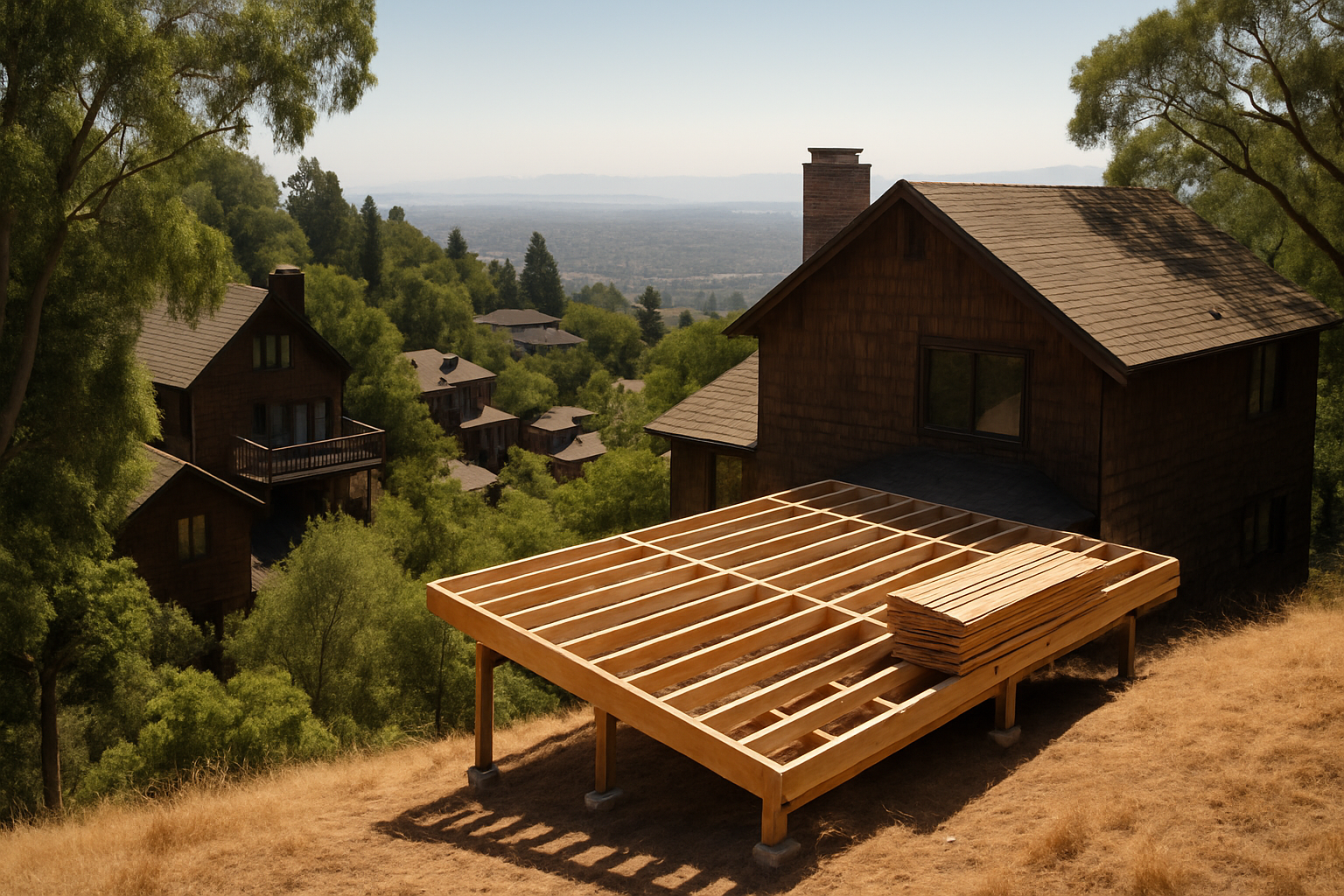
You planned a deck rebuild in the Oakland hills, priced the materials, and then heard the fire hazard maps changed. Now you are not sure whether the WUI requirements you budgeted for still apply.
That confusion is everywhere in the East Bay right now. In February and March 2025, CAL FIRE released updated Local Responsibility Area Fire Hazard Severity Zone maps, and the results moved a lot of parcels in Berkeley, Oakland, and the surrounding hills.
We field this question constantly from contractors staging material orders before plan check. Below is what actually changed, what it does not change, and how to confirm your specific address before you buy a single board.
What the 2025 CAL FIRE Map Update Actually Did
The old maps leaned on a static methodology that had not been refreshed in years. The new ones use updated ember spread modeling and local climate data, which is why the results surprised people who assumed hazard zones only grow.
Here is what shifted in our home market:
- Oakland saw roughly a 32 to 35 percent reduction in total hazard acreage, according to local reporting from The Oaklandside on the CAL FIRE update.
- Berkeley’s Very High zone dropped to about 454 acres, down from roughly 1,269 acres under the previous maps.
- New High and Moderate designations were added to areas that previously carried no designation at all.
That last point matters more than the headline reduction. Plenty of flatland and mid-slope parcels that were never mapped before now carry a real designation for the first time.
One more caution. These maps moved through draft and adoption phases at different speeds in different jurisdictions, so the version your plan checker uses may not match the version you read about in the news.
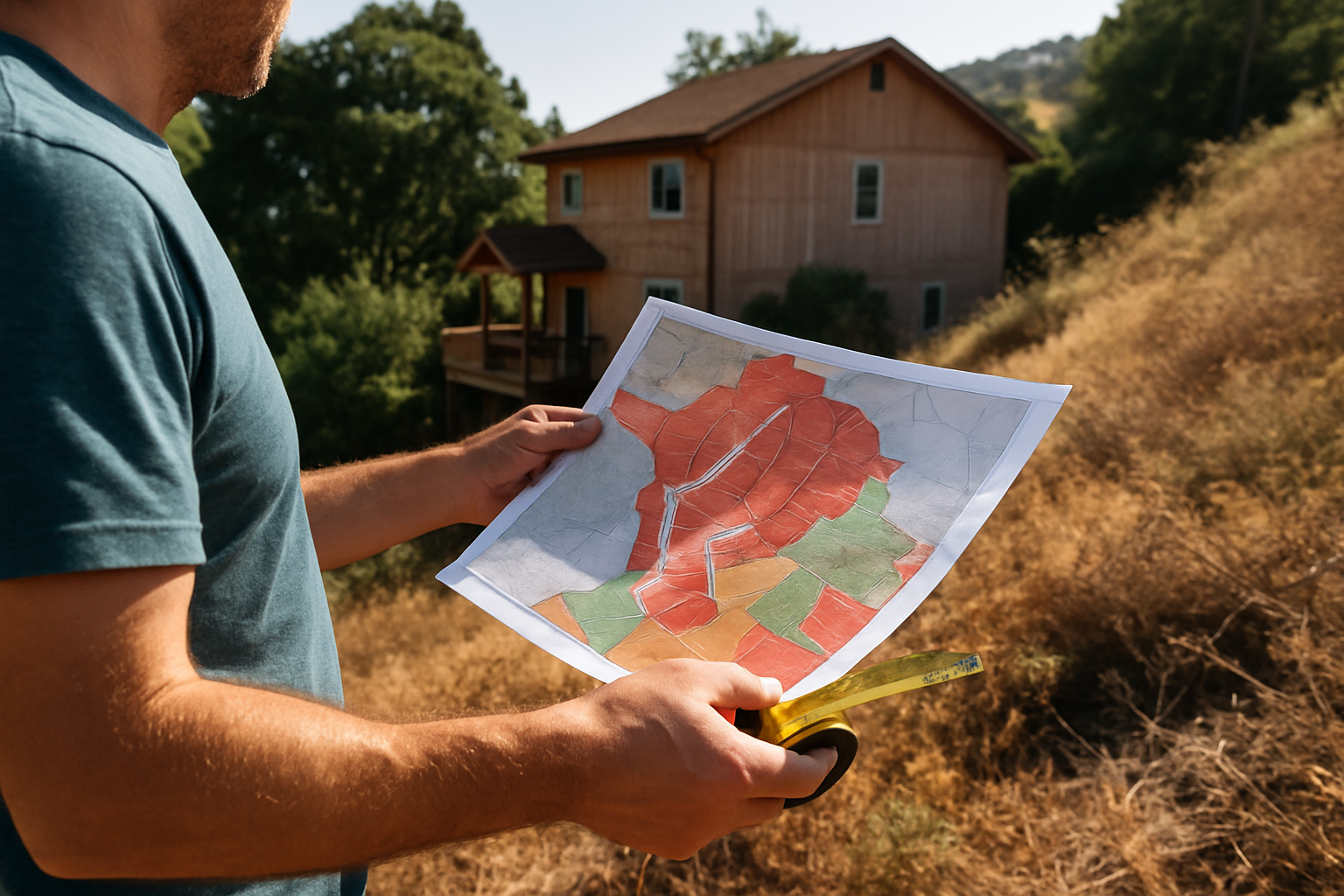
Before you spec anything, look your address up directly through the Office of the State Fire Marshal’s fire hazard severity zone resources. Parcel level, not neighborhood level.
A Lower Designation Is Not a Free Pass
This is where readers get burned. A property that moved from Very High to High or Moderate may face a different compliance pathway, but that is not the same as being exempt.
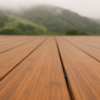
Under the 2025 California WUI Code, which took effect January 1, 2026, exterior alterations in Very High Fire Hazard Severity Zones must use WUI-compliant materials for the altered portions. Replace a deck surface, and the new surface has to comply even if the rest of the house predates the rule.
What we tell contractors working Berkeley and Oakland hill jobs:
- High-rated parcels are not exempt from everything. Local ordinances and defensible space rules still reach them.
- Proximity to the SRA boundary matters. Parcels adjacent to State Responsibility Area land often get treated with the same scrutiny.
- The five-foot zone around the structure is where fencing, decking, and combustible attachments draw the most attention.
- Vents, roofing, siding, and eaves carry their own requirements independent of your decking choice.
If your project is a deck, our breakdown of what the 2026 WUI code changed for decking walks through the assembly requirements in more detail.
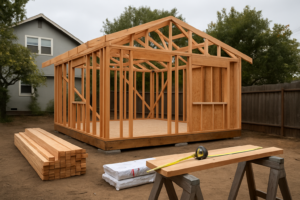
And if you are framing in a mapped zone, fire rated lumber in Berkeley covers what treatment stamps actually certify.
What Each Designation Generally Means for Exterior Work
Use this as orientation only. Your local building department has the final word on how these apply to your permit.
| Designation | What It Signals | Typical Impact on Exterior Materials |
|---|---|---|
| Very High | Highest modeled ember and flame exposure | WUI-compliant materials required for altered exterior portions, including decking, siding, and vents |
| High | Elevated exposure, often mid-slope or ridge-adjacent | Frequently subject to local ordinance requirements; not a blanket exemption |
| Moderate | Lower modeled exposure, newly mapped in some areas | Fewer state-level triggers, but defensible space and local rules can still apply |
| No designation | Outside mapped LRA hazard zones | Standard code applies; verify SRA adjacency before assuming |
Five Checks Before You Order Materials
Run this sequence in order. Skipping step one is how crews end up with a full delivery of noncompliant boards on site.
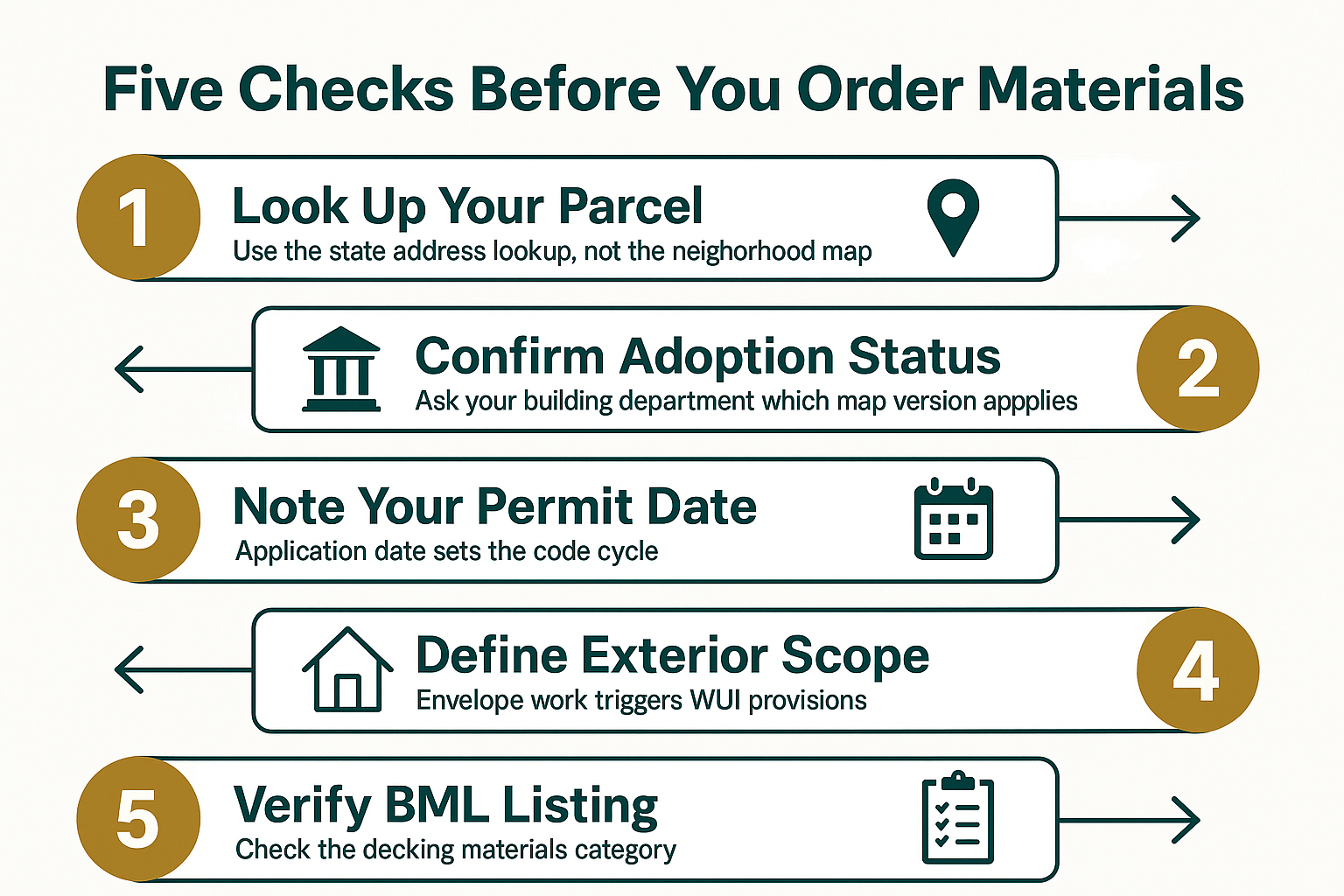
How to Check a Product Against the HCD Building Materials Listing
Here is the mistake we see most often on hill projects. Someone assumes that because a decking board is composite, or because it is dense tropical hardwood, it automatically qualifies in a fire zone.
It does not work that way. California’s Department of Housing and Community Development maintains a Building Materials Listing (BML) with a dedicated Decking Materials category, and a product either appears in it or it does not.
What to look for:
- A BML number tied to the specific product and profile, not just the brand name.
- The listing category, since a wall assembly listing does not cover a decking application.
- The tested assembly, because some products only comply when installed over a specific substrate or with a particular joist spacing.
- The listing expiration date, which trips people up on older spec sheets.
Pull the current listing yourself rather than trusting a printed brochure. Manufacturers change formulations, and listings lapse.
Material performance in a fire zone is only half the decision anyway. Bay Area fog, marine layer, and full-sun exposure all change how a board ages, which is why fog and sun shift the wood versus composite decision more than most national guides admit.
For substructure, the labeling rules are their own puzzle. Pressure-treated wood labels explain what those stamps actually certify for deck framing.
One Overlooked Consequence: Your Insurance Carrier
If your parcel’s designation improved, your insurer may not know yet.
Some carriers use FHSZ designation as an input in underwriting. An updated designation could factor into how your premium is calculated, though every carrier handles it differently.
This is not legal or financial advice, and nobody should treat a map change as a guaranteed savings. But it is worth a phone call to your agent with your updated parcel designation in hand.
Several homeowners we have talked with in the hills had no idea the maps had moved at all until a contractor mentioned it mid-project.
What Actually Decides Your Permit Outcome
Strip away the noise and three things drive the answer:
- The FHSZ designation on your specific parcel, as recognized by your jurisdiction today.
- Your permit application date, which determines which code cycle governs the job.
- The scope of the exterior work, since envelope alterations trigger provisions that interior work does not.
A kitchen remodel that never touches the exterior envelope may not pull in WUI provisions at all. Add a deck on a mapped hillside parcel, and it absolutely does.
That combination is why two neighbors on the same Oakland street can get different answers from plan check. Same block, different parcel designation, different permit date, different scope.
This is also where a supplier who has moved material through hundreds of East Bay hill projects earns their keep. One longtime customer put it simply in a review: the staff will “help you pick through for the good stuff.” On a fire zone job, that means catching a noncompliant spec before it ships, not after plan check kicks it back.
Frequently Asked Questions About the Oakland and Berkeley Fire Hazard Map Change
My address came off the Very High list. Can I use standard composite decking now?
Not automatically. Check the current designation for your parcel, confirm which map version your building department has adopted, and then verify the product against the HCD Building Materials Listing. A High or Moderate designation can still carry local requirements.
How do I find out what my parcel is designated right now?
Use the Office of the State Fire Marshal’s online address lookup, then call your city’s building department to confirm which map version they are enforcing. Adoption timing varied between jurisdictions, so those two answers do not always match.
Does the permit date really matter that much?
Yes. Your application date generally sets which code cycle applies. The 2025 California WUI Code took effect January 1, 2026, so projects submitted before and after that line can be reviewed under different rules.
What is a BML number and where does it show up?
It is the identifier California’s HCD assigns to a listed building material. You will find it on the state’s Building Materials Listing under the relevant category, such as Decking Materials. Confirm the number matches your exact product and profile, not just the brand.
Do fences and gates near the house fall under these rules?
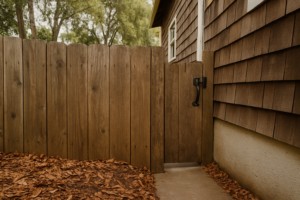
Combustible attachments within five feet of the structure get attention in mapped zones. How that is enforced depends on your jurisdiction and your designation, so ask plan check before ordering fence material for a hillside job.
Sorting out materials for an East Bay hillside project?
Our Berkeley yard at 642 Hearst Avenue has been supplying Oakland, Berkeley, and San Francisco hill projects since 1946, and the staff can talk through listed decking, framing, and siding options with you before you commit to a spec. The Lumberyard and Hardware line is 510-841-0511, and the Windows and Doors showroom is 510-649-4400. Product details are also on truittandwhite.com whenever you want to compare options on your own time.