You’re probably wondering whether it’s worth taking time to visit a window showroom before ordering. With energy-efficiency and style so important today, and windows being a major investment, many professionals and homeowners feel uneasy buying sight unseen, especially now that windows must meet strict new building codes. California’s 2025 Energy Code (effective in 2026) now requires all new homes to use high-performance windows with lower U-factors, and Bay Area buyers are increasingly visiting showrooms to see premium options before committing. A common mistake is ordering windows online or from big-box stores without seeing them, only to discover at installation that the quality, function, or code-compliance is wrong. Visit a local window showroom to touch, open, and inspect products and get expert advice. Truitt & White’s Berkeley showroom offers hands-on access to top-performing windows, and our team specializes in Title 24 compliance. If you’re building or remodeling in the Bay Area, stop by 1831 Second Street in Berkeley to see the difference.
Why a Showroom Visit Matters More Than Ever in 2026
If you are asking, do i really need to visit a window showroom first?, the short answer is often yes for a major purchase. In the Bay Area, the risk is no longer just picking a finish you regret. The bigger risk is ordering the wrong unit for performance, fit, and code review.
For builders in Berkeley, Oakland, San Francisco, and the East Bay, window selection sits right in the middle of design, installation, and energy compliance. One bad decision can ripple into framing adjustments, inspection trouble, and owner complaints after move-in.
The code side has gotten tighter
The author's brief calls out California’s 2025 Title 24 Energy Code, effective January 1, 2026, and the added attention on Climate Zone 3 windows. In practice, that means less room for guessing.
If your project aims for low U-Factor targets in Bay Area Climate Zone 3, you need more than a product photo and a line item on a quote. You need to confirm exactly what glass package, frame, and operating style you are buying, and whether that combination matches the approved specs.
A showroom visit is not a design errand. It is a risk-control step before you lock in a large order.
What goes wrong in practice
Online ordering works best when the product is simple and the tolerances are forgiving. Windows are neither.
Contractors run into the same problems again and again:
- Finish mismatch: Screen images do not show true color, sheen, or grain.
- Hardware disappointment: The lock and operator look acceptable online, then feel loose or cheap in person.
- Wrong operating choice: A unit looked good in a catalog, but the swing, reach, or clearance does not work on site.
- Spec confusion: The ordered package does not line up with the project’s energy or replacement conditions.
- Late discovery: The problem appears after delivery, when schedule pressure is highest.
For Bay Area windows and doors, that last point is what hurts. By the time the crew has the opening ready, nobody wants to hear that the window is wrong.
Bay Area projects leave less margin for error
A large remodel, custom home, or ADU in the East Bay usually has several competing demands. The architect wants the sightlines right. The owner wants comfort and quiet. The contractor needs a clean install. The inspector wants compliance. Those priorities all land on the window package.
That is why a real showroom matters more now. It lets the team verify what the product is, not what the brochure suggests it might be.
If you already buy specialty Berkeley building materials from a trusted local yard or supplier, this is the same idea. You inspect framing lumber, hardware, and finish samples before you commit. Windows deserve the same discipline because the cost of getting them wrong is much higher.
The Tangible Benefits of a Hands-On Window Evaluation
A window is one of the few building products you can judge with your hands before you buy it. That matters more than many realize.

Operation tells you more than a brochure can
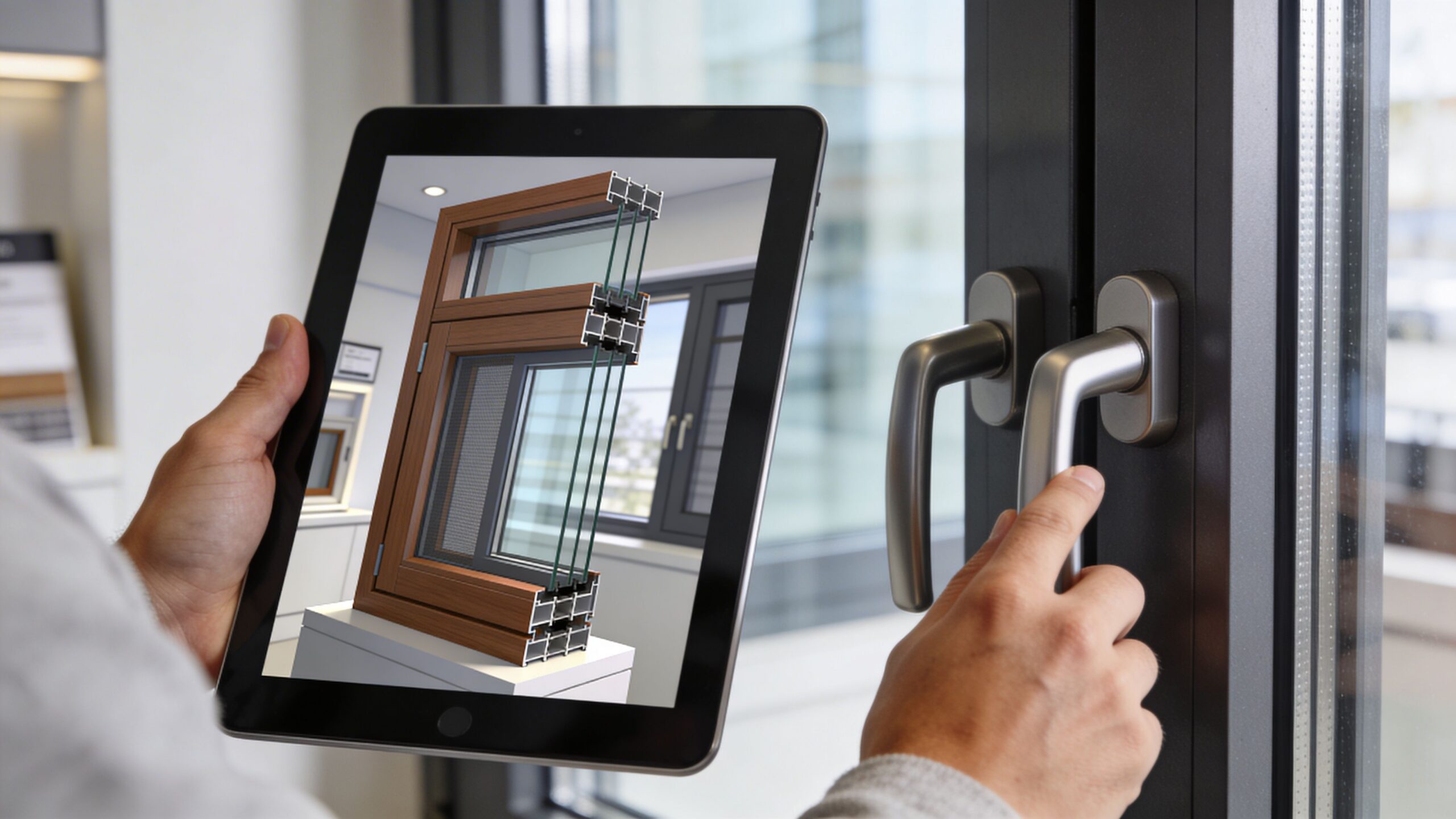
When you open, close, and lock a display unit, you learn fast whether the product feels solid. You can feel drag in the sash, resistance in the hardware, and whether the seal compresses evenly.
That hands-on check matters because visiting a window showroom enables precise tactile evaluation of frame materials and operational mechanics. The same source notes that fiberglass frames exhibit 40-50% higher compressive strength compared to vinyl, reducing deflection under wind loads by up to 30% in high-velocity zones like the San Francisco Bay Area.
For local builders, that is not abstract. On an exposed site, frame rigidity and reliable operation affect how the unit performs after installation, not just how it looks on day one.
You can feel the frame difference
In person, the difference between materials becomes obvious. A vinyl unit may look fine in a product image, but side-by-side with fiberglass or a premium wood-clad line, you can feel the stiffness, corner build, and hardware quality.
That same tactile review also reveals seal compression and glide resistance that are critical for achieving U-factor ratings below 0.25 under California Title 24 requirements, as noted in the same Truitt & White article above. For a contractor trying to avoid comfort complaints and call-backs, that is the kind of detail worth checking before the order is placed.
Glass is hard to judge on a screen
Low-E coatings, tint, and visible light all read differently in person than they do online. On a monitor, two glass options can look almost identical. In a showroom, you can compare clarity, reflectivity, and how the glass changes the look of interior finishes.
That is especially useful when the client cares about both energy performance and design. A homeowner may ask for more comfort and less glare. An architect may want a slimmer look with better daylight. Those are easier conversations when everyone is standing in front of real samples.
If you want a broad primer before visiting, this overview of general information on doors and windows gives helpful background on how different systems are used. It is not a substitute for handling the product, but it can help frame better questions.
What works and what does not
What works:
- Side-by-side comparison of materials
- Testing locks, rollers, and hinges
- Viewing glass options under real light
- Checking interior and exterior finish details
What does not:
- Choosing from thumbnails alone
- Assuming all Low-E glass looks the same
- Treating hardware as a minor detail
- Expecting screen images to show build quality
The best showroom visits are hands-on. Do not just look. Open every unit you are considering and pay attention to force, sound, and seal feel.
When a Showroom Visit is Essential for Your Project
Some projects can survive a remote buying process. Others should not try.
If the order is large, custom, exposed to weather, or tied to strict review, seeing the product in person is the safer move.

For contractors
Contractors should visit when the project includes multiple sizes, replacement conditions, or owner expectations that leave no room for rework. That includes whole-house remodels, additions, ADUs, and custom homes.
A showroom visit helps contractors do three practical things well:
- Confirm the right operating type for the opening and room use
- Align the package with the plans before the order gets released
- Set client expectations on sightlines, finishes, and hardware feel
This matters even more when the homeowner is comparing premium brands such as Marvin, Andersen, or Milgard against cheaper online alternatives. If you do not settle those differences early, the debate usually returns at the worst possible time.
For architects and designers
Architects should not skip the showroom when the window package is doing visual heavy lifting. Narrow frames, divided-lite patterns, exterior color, and hardware style all need real-world review.
The Bay Area has plenty of projects where the glazing package must balance daylight, privacy, neighborhood character, and energy-efficient windows in the Bay Area climate. A sample board helps, but a full-size display gives better feedback on proportion and operation.
A showroom is also where design assumptions get tested. A sash pattern that looks clean on elevations can feel busy in person. A dark finish that looked refined in a rendering can read too heavy under daylight.
For design-led projects, the showroom protects intent. It is where appearance and performance stop being separate conversations.
For homeowners and remodelers
Homeowners often ask this question because they want to save time. That makes sense. But if the purchase is large, you are usually trading a short visit now for a bigger headache later.
An in-person stop becomes essential when:
- You are replacing many windows at once
- You care about quiet, comfort, or coastal exposure
- You are trying to match an older home in Berkeley or Oakland
- You are already unsure about material choices
A lot of regret comes from details that seem small before purchase. Handle shape. Screen look. Interior finish tone. The weight of the sash. Those are hard to evaluate online and hard to ignore once the windows are installed.
Projects with the highest risk
Some jobs deserve a showroom visit almost by default:
| Project type | Why in-person matters |
|---|---|
| ADU construction | Tight envelopes and code-sensitive specs |
| Historic or character remodels | Finish and profile matching |
| Hillside or exposed sites | Weather and wind durability concerns |
| Large custom homes | High cost of reorders and owner dissatisfaction |
| Pocket replacements | Existing condition details can change the right product choice |
If your job looks like one of these, the showroom visit is not extra. It is part of proper buyout.
Smart Alternatives When an In-Person Visit Is Not an Option
Sometimes the schedule is tight, the owner is out of town, or the project team is juggling too many moving pieces. In that case, use the next-best option. Just do not pretend it gives you the full picture.
Virtual consults can solve some problems
A virtual appointment is useful for plan review, general product direction, and discussing Title 24 window requirements at a high level. It can help narrow the field before you spend time traveling.
What it cannot do is tell you how a casement handle feels, how firmly a lock engages, or how a finish reads in real light. Those are the details that often decide whether the final product feels premium or disappointing.
If you are weighing remote ordering, this article on whether buying windows online is riskier than it looks is worth reading. It matches what many contractors already know from experience. specs on a screen are only part of the job.
Samples help with color, not operation
Material samples are useful. They help with frame color, texture, hardware finish, and sometimes glass appearance.
They do not answer questions about:
- Weight and stiffness
- How the sash tracks
- Seal feel at close
- Noise and perceived solidity
- Whether the operator is comfortable to use
That is why samples are best treated as a supplement, not a replacement.
A practical fallback plan
If you cannot make it to a showroom, do this instead:
- Request detailed cut sheets and confirm the exact configuration being quoted.
- Ask for material and finish samples for all visible surfaces.
- Review site photos and plans together with a specialist.
- Have the installer involved early so operation and replacement details are not guessed.
This approach can work. It is still a compromise.
For major Bay Area windows and doors, the more custom the package, the more valuable the in-person review becomes.
Your Bay Area Window Showroom Visit Checklist
Good showroom visits are prepared visits. If you walk in with measurements scribbled on a scrap of paper and no photos, you will leave with ideas but not enough clarity to order.

What to bring
Bring the documents that help the discussion move from general to specific.
- Plans and elevations: Especially for new builds, additions, and ADUs.
- Site photos: Interior and exterior, including trim, siding, and nearby obstructions.
- Existing measurements: Width, height, and depth, even if they are preliminary.
- A priorities list: Energy use, noise, finish, sightline, ventilation, or budget.
Professional consultations matter here because measurement errors cause 70-80% of new window installation defects, and DIY measurements often deviate by more than 1/4 inch. The same source notes that experts can review plans to prevent gaps that elevate whole-window U-factors from 0.28 to 0.35+, which can create code trouble and delays.
What to do in the showroom
Do not just collect brochures. Test the products the way they will be used.
- Open and close each operating type you are considering.
- Lock and unlock the unit more than once.
- Compare frame materials side by side.
- Look at glass options from different angles.
- Study corner construction, screens, and finish details.
A useful local reference before you go is this guide on where to see windows before buying in the Bay Area.
What to ask
Some questions save more trouble than others.
Ask these first:
- What exact NFRC-rated package am I looking at?
- How does this option fit Climate Zone 3 windows needs?
- What replacement condition is this best suited for?
- What hardware and finish options are available?
- What details should the installer verify before order release?
Then ask the questions many buyers forget:
- Will the screen type affect the look from inside?
- How does this unit handle exterior exposure?
- What trim or jamb conditions matter for this order?
- Which options are easiest to service later?
Bring the person who will install the windows, or at least involve them before the order is finalized. A good spec on paper can still fail if it ignores site conditions.
What not to do
A few mistakes waste showroom time:
- Do not focus only on style. Performance and fit drive long-term satisfaction.
- Do not assume one brand’s “standard” package matches another’s.
- Do not treat replacement work like new construction. Existing conditions change everything.
- Do not leave without written notes on the exact options discussed.
For a contractor buying from a lumberyard near Oakland or sourcing Berkeley building materials, this is the same discipline used on any major component. Verify before you buy.
The Truitt & White Advantage for Bay Area Window Projects
A good showroom is not just a room full of display units. It is a place where local building knowledge meets product knowledge.
For Bay Area contractors, that matters. Window choices in Berkeley are not always the same choices that make sense in inland or out-of-state markets. Exposure, local review, client expectations, and Title 24 window requirements all shape what works.

Why local expertise changes the buying process
A local showroom team can usually spot problems faster than a generic online seller. They understand common Bay Area replacement conditions, older housing stock, and the kinds of trade-offs builders face when balancing look, lead time, and compliance.
That is especially useful when your project includes:
- An East Bay remodel with older openings
- A San Francisco build with tighter design review
- An Oakland addition where the owner wants better comfort and quiet
- An ADU where envelope performance matters from day one
More than a retail transaction
The best supply partners act more like problem solvers than order takers. That is one reason many builders use a trusted Berkeley lumberyard and window source instead of chasing the lowest online quote.
If you want a clearer sense of that difference, this piece on why Truitt & White is the best choice for windows and doors in the Bay Area gives a useful overview.
For contractors, the value is simple. Fewer assumptions. Better product fit. Smoother coordination between design intent and field reality.
Frequently Asked Questions About Bay Area Windows and Codes
Do I really need to visit a window showroom first for a simple replacement job
Not always, but it is still the safer choice if the order is custom, visible, or tied to energy compliance. Even simple replacement work can go sideways when finish, frame depth, or operation details are assumed instead of confirmed.
What should I ask about 2026 California Energy Code requirements
Ask how the quoted window package aligns with the project’s energy path and whether the selected glass and frame combination supports the required performance target. For Bay Area work, confirm how the package is being evaluated for Climate Zone 3 conditions and do not rely on a generic product family description.
What matters most for Title 24 window compliance
The main issue is matching the actual ordered unit to the required performance values and approved project specs. That means checking the exact combination of frame, glass, and operation, not just assuming the brand name alone makes it compliant.
Are Climate Zone 3 windows different from other Bay Area windows and doors
They can be. In practice, builders often need to pay closer attention to U-Factor, solar gain, and the balance between comfort and daylight. The right answer depends on the project type, glazing area, and how the rest of the envelope is being built.
Is a local Berkeley showroom better than a big-box store for window selection
Usually yes for major projects. A local showroom is more useful when you need code-aware guidance, product comparison, and support that goes beyond shelf inventory. That is especially true for remodelers, architects, and owners making a large investment.
Can I rely on online listings for Bay Area building materials and windows
Use them for research, not final judgment. Online listings are fine for narrowing choices, but they rarely tell you enough about operation, fit, finish, and replacement conditions to make a confident final decision.
A practical follow-up resource is window replacement guidance for Bay Area homeowners dealing with Title 24 and comfort.
If you are planning a major window purchase, visit Truitt and White for practical guidance from a team that understands Bay Area building, code demands, and the value of getting the order right the first time. You can connect with the Berkeley showroom team and get help with windows, doors, and project planning at https://truittandwhite.com/connect-with-us.