For builders, contractors, and discerning homeowners in the Bay Area, choosing a hardware store isn't just about proximity or price. It's about finding an integrated partner who offers expert guidance for complex projects. A superior supplier combines a professional-grade hardware selection with a full-service lumberyard and a specialized window and door showroom, ensuring you get accurate advice on everything from small repairs to structural builds and Title 24 compliance.
The Flaw in Choosing the Closest, Cheapest Hardware Store
For builders and homeowners in Berkeley and Oakland, it’s easy to search "hardware store near me" and pick the closest or cheapest option. This seems efficient but is often a trap. For the complex projects common in the Bay Area, opting for low-cost materials from a big-box store can lead to expensive rework and project delays.
Industry messaging often focuses on convenience and price, but this misses what professionals truly need. Big-box stores may have full shelves, but they lack meaningful consultation for structural, code-sensitive, or multi-step projects. A better approach combines accessibility with expertise.

Think of a hardware superstore like a vending machine for supplies. It’s perfect for grabbing a box of nails quickly. However, you wouldn't ask a vending machine for advice on structural integrity or local code compliance.
Going Beyond Simple Aisle Numbers
A true building partner provides expertise, not just products on a shelf. This is crucial when your project involves materials from a Berkeley lumberyard or specialized components like energy-efficient windows in the Bay Area. Warehouse store staff are not equipped to offer meaningful advice on these critical items.
This is where costly mistakes occur. Without expert consultation, you might select windows that fail to meet California's strict Title 24 window requirements or use lumber unsuitable for a specific structural load. These errors lead to failed inspections, wasted materials, and budget overruns.
The True Value of a Building Partner
A supplier that integrates a hardware store, a full-service lumberyard, and a dedicated Bay Area windows and doors showroom offers a different level of support. It's a place where you can solve a small hardware need and a complex building question in one visit. For anyone building in San Francisco and the East Bay, that streamlined process is invaluable.
Customer loyalty is increasingly driven by service and expertise. Recent data shows that 64% of shoppers will return to a store that provides a better experience, proving that guidance—not just price—builds trust. Choosing a hardware store that provides real project guidance reduces costly mistakes and keeps builds on track.
A knowledgeable local supplier offers solutions that keep your jobsite running smoothly. This means:
- Code Compliance: Clear guidance on regulations like the 2025 California Energy Code (effective January 1, 2026) and its impact on Climate Zone 3 windows.
- Material Expertise: Solid recommendations on the right products for your specific job, from framing lumber to high-performance adhesives.
- Problem-Solving: On-the-spot answers to jobsite challenges, preventing delays before they start.
Ultimately, the right supplier becomes an extension of your team. While it’s tempting to focus on upfront cost, understanding why lumber from a yard can be different from a home depot reveals the hidden value in quality and expertise. For builders and homeowners in Berkeley, Oakland, and San Francisco searching “hardware store near me,” a knowledgeable local supplier means faster solutions, especially when projects require both hardware and structural materials.
How to Evaluate a Supplier’s Operational Strength
Any building supplier can stock products. A great one gets the right materials to your job site on time and without drama. For builders in the Bay Area, evaluating a supplier's operational strength is key to avoiding costly delays.

This evaluation boils down to three core areas: inventory and sourcing, delivery and logistics, and the in-store experience. A weak link in any of these areas can create friction on your job site.
Inventory and Sourcing Power
The first question is simple: do they have what you need? A professional contractor’s list differs greatly from a typical retail hardware store's offerings. An operationally strong supplier maintains a deep inventory of professional-grade Berkeley building materials.
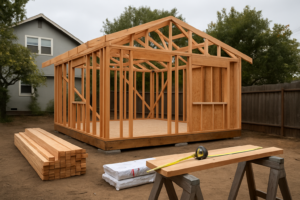
This means a Berkeley lumberyard should stock a wide range of framing lumber, plywood, and engineered wood products. Waiting for basic structural materials during a large project is not an option. A reliable partner has the volume you need, when you need it.
Equally important is their ability to source specialty items, such as Bay Area windows and doors that must meet specific local codes. A supplier's ability to quickly secure windows compliant with Title 24 is a direct measure of their operational strength.
Delivery and Logistics
Getting materials from the yard to your job site is where many suppliers falter. A top-tier supplier has a reliable logistics system, including a solid fleet of delivery trucks that can navigate Bay Area traffic and tricky job site conditions.
For any project in Oakland, Berkeley, or the East Bay, timely deliveries are non-negotiable. A strong partner provides clear communication and has proven procedures for handling job site challenges. For a deeper look, learn more about effective construction supply chain management.
How they handle returns and fix order mistakes is also telling. A strong supplier makes resolving errors painless, preventing small hiccups from derailing your schedule.
The In-Store and Counter Experience
Finally, assess the human element. The knowledge and efficiency of the counter staff can save a project. When you walk in, can the team handle a complex order and offer practical solutions?
A valuable supplier hires people who know local building practices, from ADU construction to seismic retrofits and Climate Zone 3 requirements. This in-store expertise is your first line of defense against costly mistakes, making the supplier an active partner in your project's success. This is one of the clearest signs of a supplier's operational strength.
Finding Value Beyond Products in Trade Services and Expertise
The true value of a top-tier building supplier isn’t on a price tag. It’s in the expertise that protects your project’s timeline and budget. For contractors and builders in the Bay Area, these trade services turn a transaction into a partnership.
A knowledgeable trade counter is your first line of defense. The team should offer on-the-spot solutions for material compatibility, installation challenges, and unexpected jobsite issues. This support goes far beyond simply picking out materials.
Blueprint Takeoffs and Order Accuracy
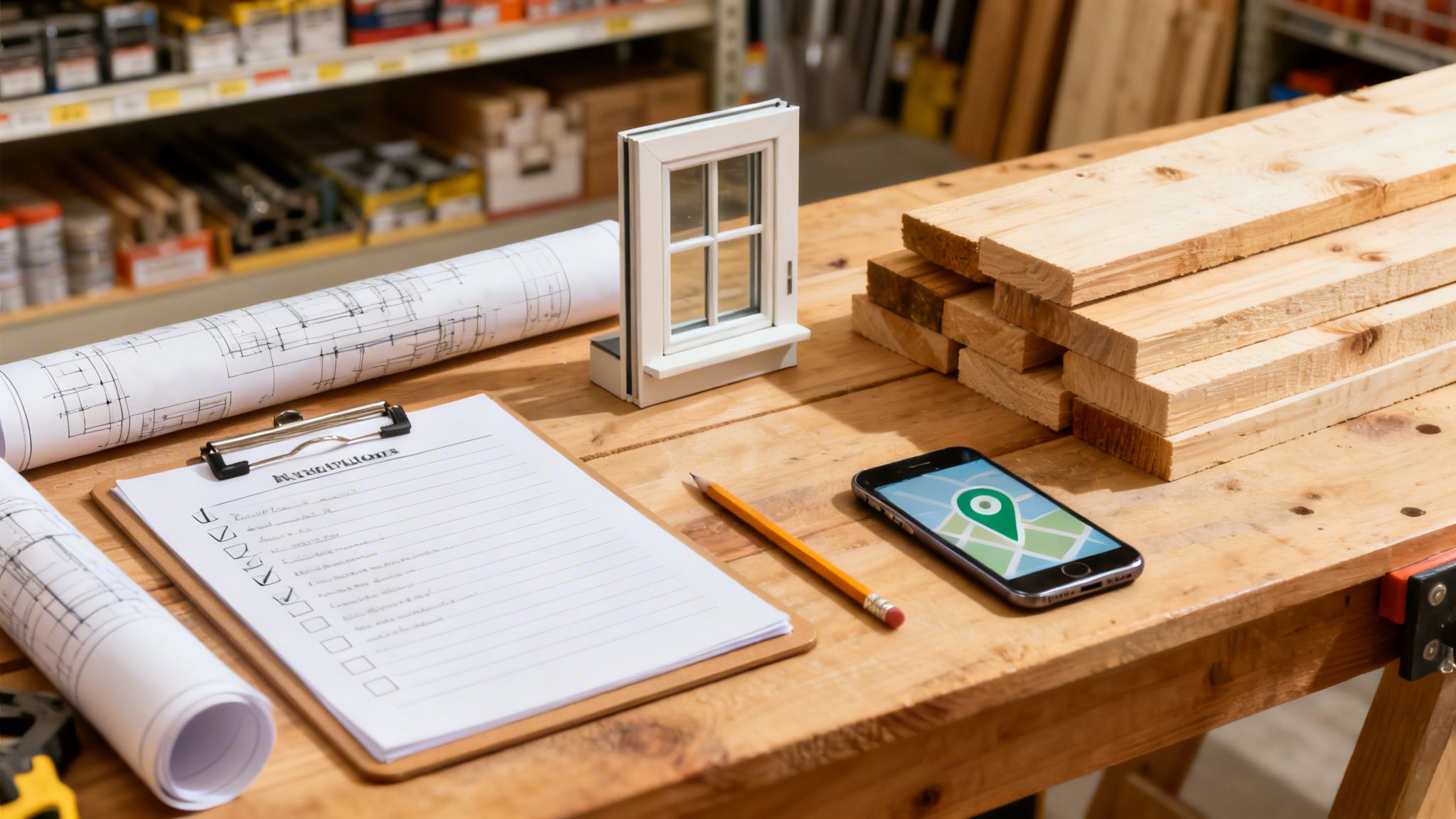
One of the most valuable services an expert supplier offers is blueprint takeoffs. Their team reviews your plans to generate a precise material list, saving you from manual calculations. This service is a game-changer.
First, it ensures exceptional order accuracy from the start. This drastically reduces the risk of ordering incorrect quantities or products, preventing delays and budget overruns.
Second, it minimizes waste. An accurate takeoff means you order only what you need, which is crucial for projects in environmentally conscious areas like Berkeley and San Francisco.
Navigating Complex Building Codes with Confidence
Building in the Bay Area means dealing with some of the strictest regulations in the country. A supplier's knowledge becomes indispensable here, especially with California's changing energy codes.
For example, the 2025 Title 24 Energy Code, effective January 1, 2026, introduces significant changes for windows. The new rules for Climate Zone 3—which covers most of the Bay Area—mandate a much lower U-Factor of ≤ 0.27. A knowledgeable supplier can guide you through these requirements, ensuring your window selections are compliant.
This guidance helps you avoid:
- Failed Inspections: Choosing non-compliant windows can halt your project and lead to expensive replacements.
- Performance Path Complications: If your design exceeds the 20% glazing limits under the prescriptive path, an expert can help you navigate the performance method.
- Costly Mistakes: Understanding the nuances of Title 24 window requirements prevents you from overspending on non-compliant products.
Choosing a supplier that provides real project guidance reduces mistakes and keeps builds moving. Find out more about how this expertise streamlines projects and discover why builders are turning to specialized partners.
The Power of a Specialized Lumberyard and Window Showroom
A general hardware store stocks a bit of everything, but a specialist stocks what truly matters for your build. For any professional in the Bay Area, looking at a supplier’s expertise in lumber and windows separates a convenient stop from a project-saving partner.
While a big-box store is fine for grabbing screws, it falls short when structural integrity and code compliance are at stake. A supplier with a dedicated Berkeley lumberyard and an expert-staffed window showroom provides the deep knowledge needed for complex builds.
Assessing a Berkeley Lumberyard
A true lumberyard near Oakland and the East Bay is different from a retail lumber aisle. The difference lies in the quality, variety, and scale of the inventory. A professional yard is set up for real construction.
When vetting a lumber supplier, look for:
- Lumber Grading and Quality: A pro yard stocks higher-grade lumber with fewer defects, which is critical for structural work.
- Inventory Depth: They need a serious stock of standard and engineered wood products like LVL beams and I-joists.
- Sustainable Options: A top-tier supplier will offer sustainable framing options to meet environmental goals in Berkeley and San Francisco.
This focused inventory ensures you get all structural components without worrying about stockouts or low-quality materials.
The Value of a Bay Area Windows and Doors Showroom
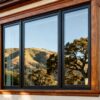
For Bay Area projects, a dedicated Bay Area windows and doors showroom is a necessity, not a luxury. With California's tough building codes, selecting the right windows requires expert guidance. This is especially true with the upcoming 2025 Title 24 Energy Code, effective January 1, 2026.
This new code introduces a stricter U-Factor requirement of ≤ 0.27 for windows in our Climate Zone 3. Grabbing a window off a shelf without understanding its performance data can lead to failed inspections. A showroom allows you to see products and talk to specialists who understand these regulations.
Visiting a showroom empowers you to make an informed decision. You can compare frames, operate hardware, and understand thermal performance data from manufacturers like Marvin and Andersen. Learn more in our guide on where you can see windows before buying in the Bay Area.
An expert in a window showroom provides a compliance strategy, not just a product. They help you navigate the prescriptive path's 20% glazing limits or assist with calculations for a performance-based approach. That level of focused expertise is something a general hardware store simply can’t match.
Your Practical Checklist for Vetting a New Building Supplier
Choosing a building supplier is about finding a real partner. This checklist helps you cut through the noise and ask the right questions. It’s designed for Bay Area builders and remodelers.
The goal is to find a partner who supports your job from start to finish. You need someone who understands the operational, technical, and logistical realities of building in this market. This decision tree sums up the choice between a general store and a specialized supplier.

As you can see, a big-box store is fine for quick runs. But for projects involving structural or specialized materials, you need a supplier with a real lumberyard and showroom.
Questions for Operational Strength
A supplier’s ability to deliver on time is the backbone of your project schedule. Use these questions to gauge their real-world capabilities.
- Delivery & Logistics: "What's your typical delivery lead time for framing lumber to an Oakland jobsite? What happens if a delivery is delayed?"
- Inventory & Sourcing: "Do you consistently stock engineered wood beams and pro-grade plywood, or are those special-order items?"
- Problem Resolution: "If an order is wrong or damaged, who is my contact, and how fast can you fix it?"
Questions for Technical Expertise
This is what separates a retailer from a partner: deep product and code knowledge. A Berkeley hardware store with an integrated lumberyard and window showroom offers one-stop expertise. You can learn more about how to find a reliable lumber supplier near you in our detailed guide.
- Code Compliance: "Can you explain the window specs I need to meet Title 24 window requirements in Climate Zone 3 for the new 2025 energy code?"
- Material Application: "For a seismic retrofit in Berkeley, what connectors and hold-downs do you recommend and stock?"
- Specialized Knowledge: "What sustainable building materials do you carry that can help my Bay Area project meet certification goals?"
Questions for Partnership and Support
The final piece is the relationship. These questions help you understand what it will be like to work with them day-to-day.
- Dedicated Support: "Will I have a dedicated account representative for all my orders and questions?"
- Trade Services: "What level of support do you offer for blueprint takeoffs, and who on your team handles them?"
- Long-Term Relationship: "How do you keep contractor clients updated on code changes and new products?"
Using this checklist helps you move beyond price and proximity to find a supplier equipped to help you succeed in the demanding Bay Area market.
Frequently Asked Questions (FAQs)
What are the main window changes in the 2026 California Energy Code?
The 2025 California Energy Code, effective January 1, 2026, significantly tightens energy efficiency standards. For Climate Zone 3, which includes most of the Bay Area, windows must now meet a prescriptive U-Factor of ≤ 0.27. This makes consulting with a window specialist essential for compliance.
How can I ensure my windows meet Title 24 requirements?
To achieve Title 24 window compliance, you can use the "prescriptive" path by choosing windows that meet strict U-Factor/SHGC limits and keeping your total glass-to-floor-area ratio under 20%. Alternatively, the "performance" path allows more design freedom if you prove the building's overall energy model is compliant. A knowledgeable window professional can help you decide which path is best.
What should I know about building materials for Climate Zone 3?
Building in the Bay Area's Climate Zone 3 requires materials that deliver year-round energy efficiency. This includes selecting windows with a low U-Factor, installing high-performance insulation, and using a robust moisture management system. These choices are critical for occupant comfort and building durability.
Where can I find Bay Area building materials for a large project?
For large-scale projects, you need a supplier with a deep inventory and integrated services. A partner like Truitt & White provides a full-service Berkeley lumberyard, a dedicated Bay Area windows and doors showroom, and an expert team. This allows you to source all your materials—from framing to code-compliant windows—in one place.
What is the real difference between a lumberyard and a big-box store?
A professional lumberyard near Oakland serves a different client than a big-box store. Big-box stores cater to DIY tasks, while a true lumberyard is built for professionals. You will find higher-grade materials, a deeper stock of structural components, and a knowledgeable staff that provides project-specific advice.
Ready to partner with a supplier that offers more than just materials? Truitt & White provides the expert guidance and quality products you need to succeed. Visit our Berkeley showroom for personalized advice.