
Finding a good lumber supplier is about more than just getting materials. It's about finding a partner who delivers consistent quality for your project. This simple choice helps you stay on schedule and on budget, preventing costly delays.
Why a Reliable Lumber Supplier is So Important
You’re probably looking for a better supplier because you've gotten a bad batch of boards before. We’ve all been there: a delivery of warped, split lumber that stops a project in its tracks. Builders and DIYers get frustrated when they pay for good material and get junk instead.
The question is: where can you find quality lumber without wasting hours sorting through bad boards? Where you get your lumber matters. It affects your project's quality, reduces waste, and keeps your jobs in the Bay Area moving.
The Problem with Bad Lumber Quality
According to market trends, even though lumber supply has stabilized, inconsistent quality is still a major issue in 2025–2026. One Reddit user reported that 60% of their lumber from a local yard was unusable. Another said they spend hours sorting boards at big-box stores.
This means your supplier choice is critical. It's like finding the right partner for a big construction job. The right supplier helps protect your work, from the framing to the final touches. Whether you're building in Oakland or remodeling in Berkeley, your lumber is the foundation of your project. For more details, see why we're the ultimate source for quality lumber in the East Bay.
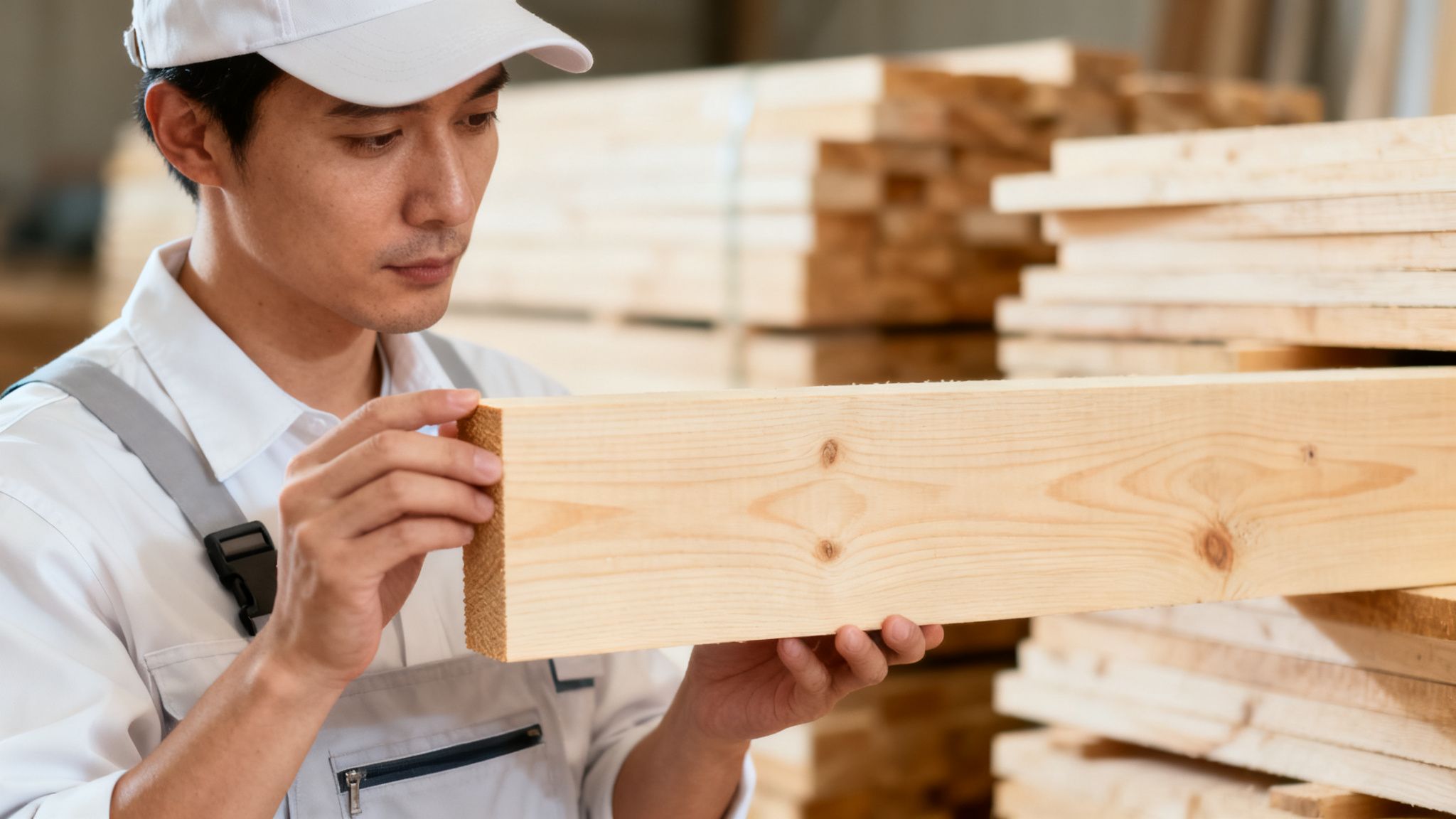
The Hidden Costs of a Bad Supplier
Many people assume all lumber is the same, or that cheapest is always best. But choosing a supplier based only on price can cost you more in the long run. You'll waste time and money replacing bad material.
Some yards don’t inspect their lumber or store it correctly. This leads to warped boards and unhappy crews. A slightly higher upfront cost for quality lumber can mean huge savings in time, waste, and rework.
Expenses That Hurt Your Profit
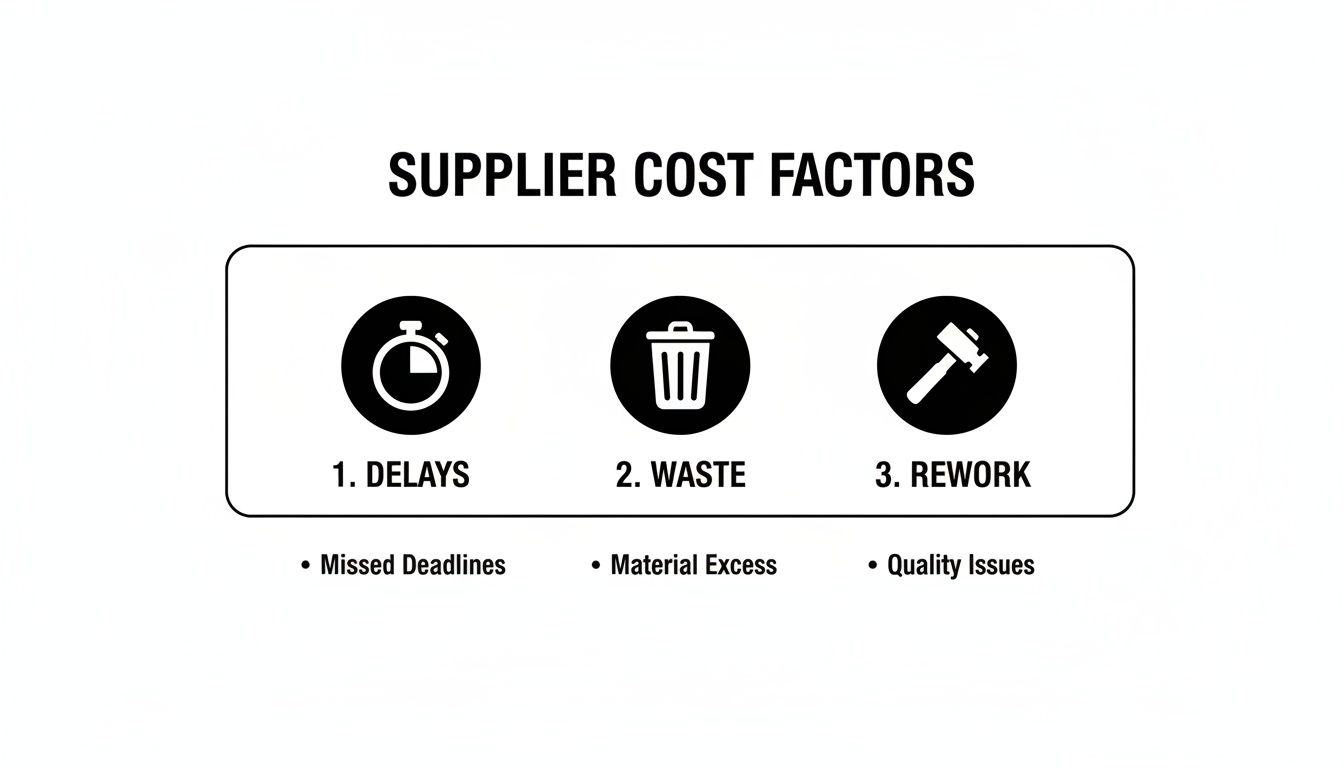
The true cost of bad lumber goes beyond the price per board. An unreliable supplier can cause serious problems for your project. These hidden costs add up quickly:
- Wasted Labor: Your crew's time is valuable. Forcing them to sort through warped boards is a waste of money.
- Project Delays: Waiting for a replacement delivery can stop your entire job for days. This affects your schedule and your reputation.
- Material Waste: Every unusable board you throw away is money lost. Poor quality control means you have to buy extra material.
Our guide on how to handle contractor markup on materials can help you protect your profits.
Bay Area Supply Chain Challenges
In addition to quality issues, the market itself can be tough. Mill capacity in North America has dropped about 7% since 2023 due to labor shortages and other factors. You can learn more about these lumber industry trends at accio.com.
For Bay Area contractors, this means more risk. A dependable supplier is your first line of defense against these challenges. They help you avoid supply problems and protect your bottom line.
How to Vet a Lumber Supplier in Berkeley or Oakland
Once you have a list of potential suppliers, it’s time to dig deeper. Think of this as choosing a long-term business partner. A simple checklist can help you focus on what really matters: quality, service, and reliability.
A few smart questions will show you who understands the needs of builders in Berkeley, Oakland, and the Bay Area. Your goal is to find a partner who will protect your projects and your time.
Supplier Vetting Checklist
When you compare a local lumberyard to a big-box store, the differences are clear. This table shows where the real value is for a professional.
| Attribute | Reliable Local Supplier (e.g., Truitt & White) | Big-Box Retailer |
|---|---|---|
| Lumber Quality | High-grade, properly stored, and checked for defects. Hand-selection is often allowed. | Inconsistent quality, often stored outside. You get what you’re given. |
| Staff Expertise | Deep product knowledge. Staff often has a background in construction. | General retail knowledge. Staff may not understand specific building needs. |
| Delivery Service | Reliable fleet, professional drivers, and accurate orders. | Limited delivery areas, often outsourced, less flexible for job sites. |
| Contractor Services | Dedicated sales contacts, credit accounts, and special ordering for pros. | Mostly serves DIY customers. Few, if any, pro-specific services. |
| Inventory | Large stock, including specialty and engineered lumber. | Limited to common items. Special orders are slow. |
| Problem Solving | Acts as a partner to resolve issues with returns or materials quickly. | Rigid corporate rules make returns difficult. |
Questions About Lumber Quality and Storage
Good quality starts with how the lumber is treated. You can tell a lot about a supplier by how they store their inventory.
Ask these direct questions:
- How do you store your lumber? Is it under a roof, away from rain and sun? Is it stacked correctly to prevent warping?
- Can my crew hand-select boards for finish work? A good supplier knows that for trim or siding, you need straight, clean boards.
- What is your quality control process? Do they inspect lumber when it arrives, or do they just pass it along to you?
A yard that invests in proper storage and lets you pick boards shows they care about your project's final result.
Evaluating Their Service and Logistics
Great lumber is useless if it shows up late or is the wrong order. A supplier's delivery service is just as important as the quality of their wood.
When you're checking a supplier, you might also need specialty materials from dedicated hardwood supply stores.
Look into their service with these questions:
- What is your delivery range and typical lead time? Can they get materials to your job sites across the Bay Area on time?
- Do I get a dedicated sales contact? Having one person who knows your business and projects makes things much easier.
- What is your return policy on bad material? A good supplier stands by their product and makes it easy to return unusable boards.
A supplier with a knowledgeable team and reliable delivery fleet understands their job is to keep your project moving. A well-stocked on-site hardware store is also a good sign they understand a builder's complete needs.
What to Look for During a Lumberyard Visit
After you've done your research, visit your top choices in person. A website can only tell you so much. Seeing the lumberyard with your own eyes shows you their true commitment to quality.
A clean, well-organized yard is a good sign that you’re dealing with a business that respects its materials and customers. Is the lumber covered and kept off the ground? This first impression tells you a lot.
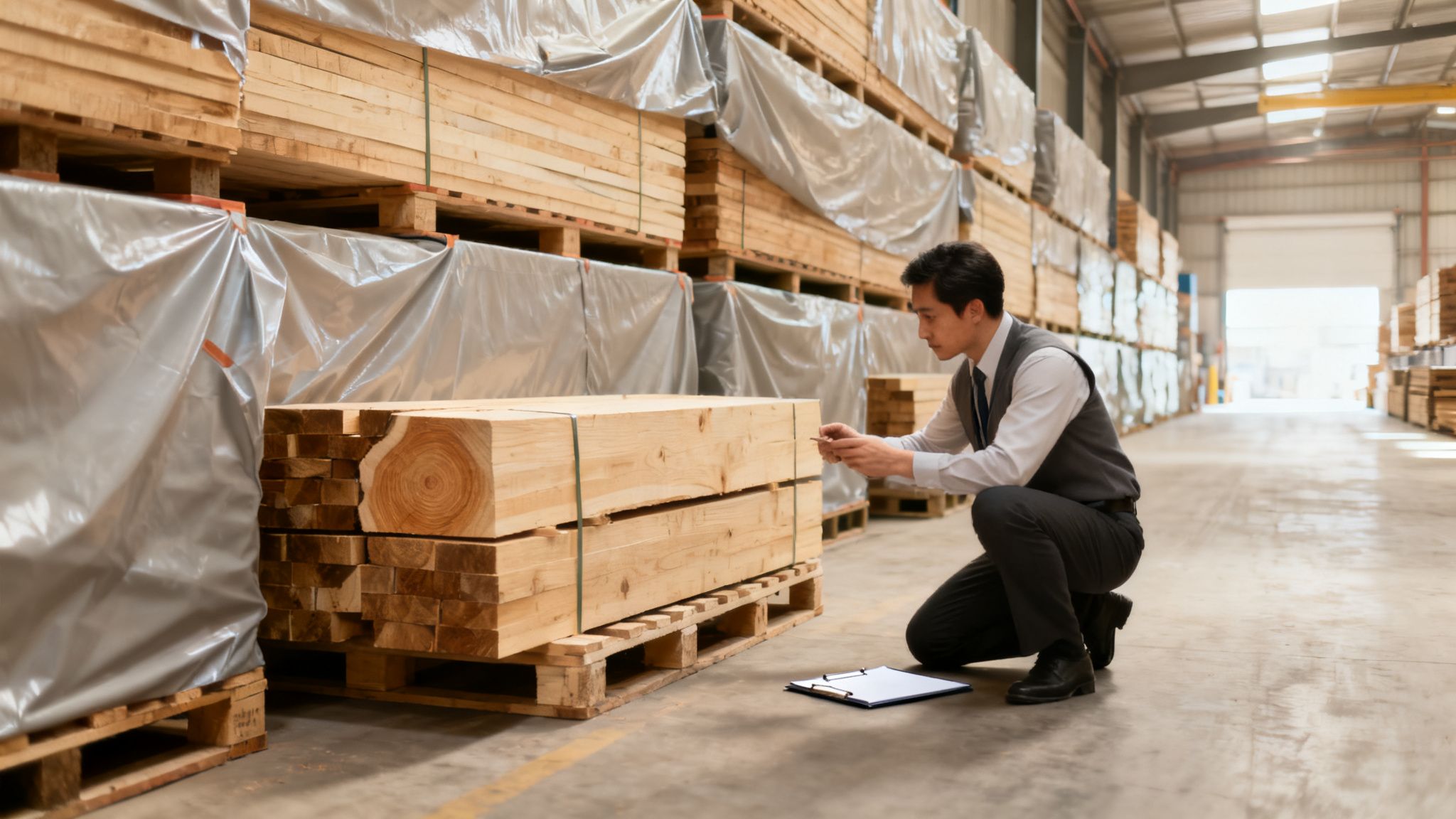
Check the Lumber Stock Yourself
Walk around the yard and inspect the lumber. A quality supplier will encourage you to take a close look. This is how you find out if their inventory is as good as they say.
Here are a few things to check:
- Consistent Grading: Look for clear grade stamps on the boards. If the grades are missing or inconsistent, that’s a red flag. Our guide on framing lumber grades can help.
- Few Defects: No stack is perfect, but the overall quality should be high. You shouldn't have to sort through dozens of warped boards to find a few good ones.
- Proper Storage: Pay attention to how different materials are stored. Finish-grade lumber should be kept in a dry, protected area.
This hands-on inspection tells you more than any sales pitch.
Talk to the Staff
The people working in the yard are a great resource. A supplier that works with professionals will have a team that speaks your language. They understand the challenges of building in Berkeley, Oakland, and San Francisco.
A knowledgeable team can offer real-world advice. They can answer questions about local building codes or the best materials for a specific job. Ask them something specific, like the right material for a redwood deck in our coastal climate. A team that gives you practical answers is one you can trust.
How Truitt & White Helps Bay Area Builders
A good relationship with a lumber supplier is a partnership. A reliable local lumberyard like Truitt & White offers service and value that big-box stores can't match. This is where you find your competitive edge.
Truitt & White is known for its strict quality control. Our lumber is stored dry, inspected regularly, and graded accurately. This means you’re not wasting your own time sorting through warped stock.
Contractors can hand-pick boards or request curated loads for a specific job. Plus, we will take returns on any material that doesn’t meet your standards. If you’re working in Berkeley, Oakland, or the East Bay, visit us at 642 Hearst Ave to see our stock for yourself.

Value-Added Services Save You Money
The real value of a supplier partnership comes from services that protect your time and budget. These are essential tools for managing a successful build in the competitive Bay Area market.
This is what a real partnership looks like:
- Curated Loads: We can pull specific lengths and grades for your framing package, which cuts down on job site waste.
- Hand-Selection: For siding or trim, being able to pick your own boards is a huge advantage.
- Knowledgeable Staff: Our team understands local codes in Berkeley and Oakland and can help you avoid costly mistakes.
- Flexible Returns: If you get a bad board, we make returns simple.
Stability in a Changing Market
Having a stable supplier is more important than ever. Market projections from Forest Economic Advisors show the Framing Lumber Composite Index (FLCI) is expected to rise 16% in 2026 after an 8% increase in 2025. With demand growing, a reliable supplier is key.
Truitt & White offers a buffer against these market changes. Our deep inventory and strong mill relationships mean you can count on us. Our reliable construction materials delivery service ensures your orders are accurate and on time, keeping your project moving forward.
Frequently Asked Questions (FAQs)
Here are answers to some common questions we hear from Bay Area contractors and builders.
Is it worth paying more at a local lumberyard vs. a big-box store?
Yes, absolutely. While a single board might cost a little more, you save much more in time and reduced waste. A dedicated yard provides higher-quality lumber, so your crew spends less time sorting and more time building.
What are the biggest red flags to watch for in a supplier?
A messy, disorganized yard is a major red flag. If lumber is left out in the rain and sun, it shows a lack of care. Also, be wary of staff who can't answer basic questions about building applications or local needs.
Can I hand-select my own lumber for a project?
At a quality, pro-focused lumberyard like Truitt & White, the answer is yes. This is especially important for visible materials like siding and trim. Being able to choose the best boards ensures a high-quality finish for your project.
How important is a supplier’s delivery service?
Delivery is critical. A late or incorrect delivery can cause major delays for your project schedule in the Bay Area. A professional supplier will have their own trucks and experienced drivers to ensure your materials arrive on time and as ordered.
Do local suppliers know more about Bay Area building codes?
Yes. A local supplier understands the specific challenges of building in Berkeley, Oakland, and the Bay Area. They are familiar with local codes, microclimates, and architectural styles. This expertise can help you avoid costly mistakes and build a better final product.
When quality and reliability are non-negotiable, you need a partner who understands the demands of building in the Bay Area. At Truitt & White, we pride ourselves on providing premium lumber, expert advice, and dependable service to local professionals. Visit our Berkeley showroom to see the difference for yourself and discuss your next project with our team.