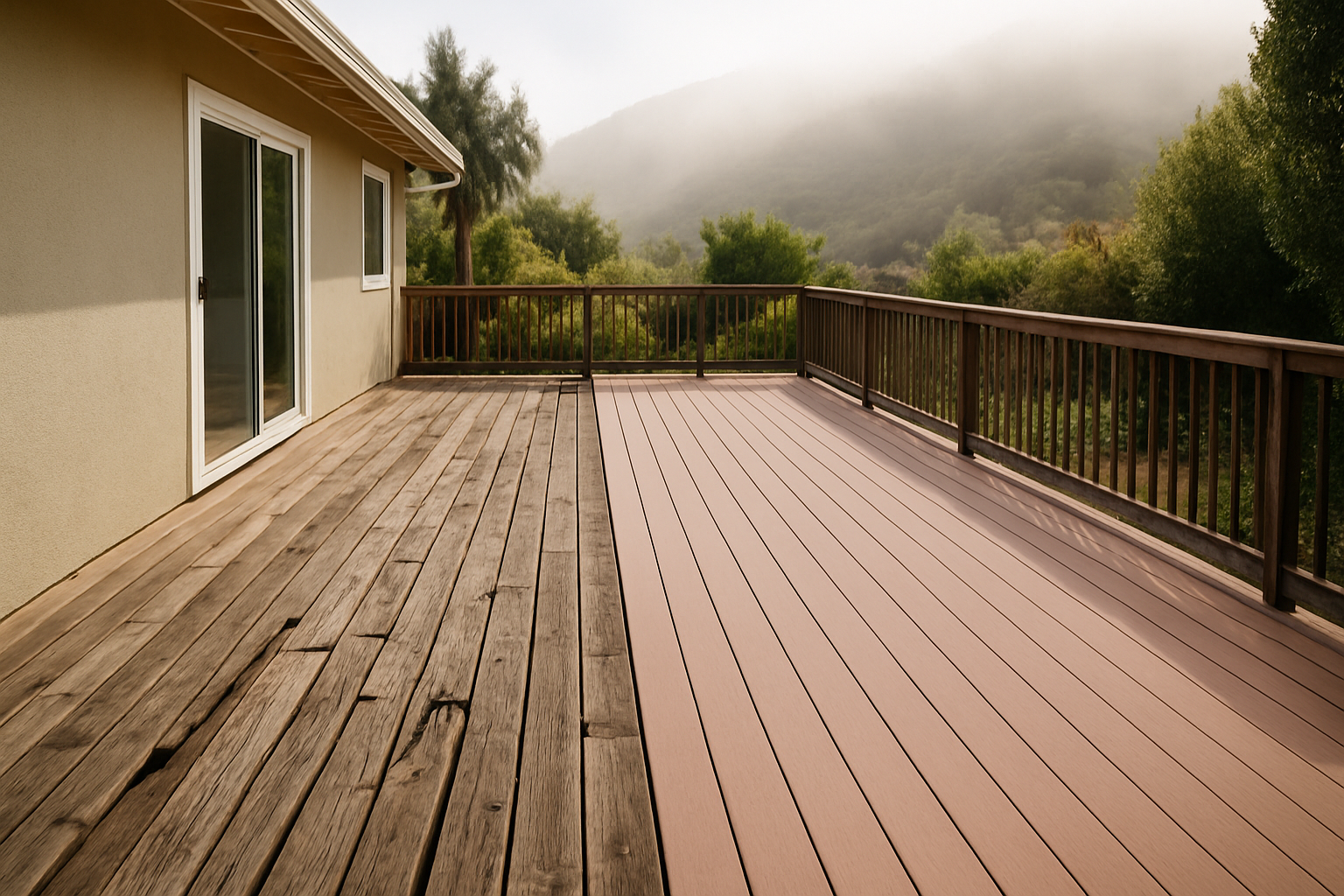
Direct Answer: Most California homeowners choose decking based on looks or price alone, then regret it when the material fails in local fog, moisture, or sun exposure within a few years.
Most homeowners pick a decking material the same way they pick paint — they see something they like at a showroom or online, check the price, and go with it. That works fine in a lot of places. In coastal California, it gets expensive fast.
The Bay Area and the Central Coast run on fog, marine moisture, and wildly variable microclimates. A deck that performs beautifully in Sacramento will cup, splinter, or fade badly in Berkeley, Oakland, or anywhere within a few miles of the water. The material that looked like a deal at $4 per linear foot ends up costing far more once you factor in annual sealing, premature replacement, or a contractor callback after year two.
This article covers the two or three mistakes that actually matter — not an exhaustive checklist, but the decisions where homeowners consistently get it wrong and pay for it later.
Mistake #1: Treating All Wood Decking as the Same Category
When someone says they want a “wood deck,” that phrase covers an enormous range of materials with almost nothing in common besides the fact that they came from a tree.
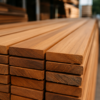
Pressure-treated pine is cheap and strong for framing, but it’s not a good choice for deck boards in high-moisture environments without careful sealing and maintenance every one to two years. Redwood is a legitimate Bay Area classic — it has natural tannins that resist rot, and it weathers gracefully in coastal conditions — but quality varies significantly by grade, and a lot of what gets sold as “redwood” these days is sapwood-heavy material that doesn’t perform like the old-growth boards your neighbor’s deck was built with in 1972.
Tropical hardwoods are another category entirely. Ipe, for example, is one of the densest decking materials available and genuinely holds up in coastal moisture. But it’s also one of the most demanding to install and maintain — oils dry out in fog-heavy climates, and if you read up on the real tradeoffs of tropical hardwood decking before buying, you’ll go in with realistic expectations rather than sticker shock at year three.
The mistake isn’t choosing wood. It’s choosing wood without understanding which species, which grade, and which maintenance commitment goes with the choice. Those three factors determine whether your deck looks great at year five or looks rough at year two.
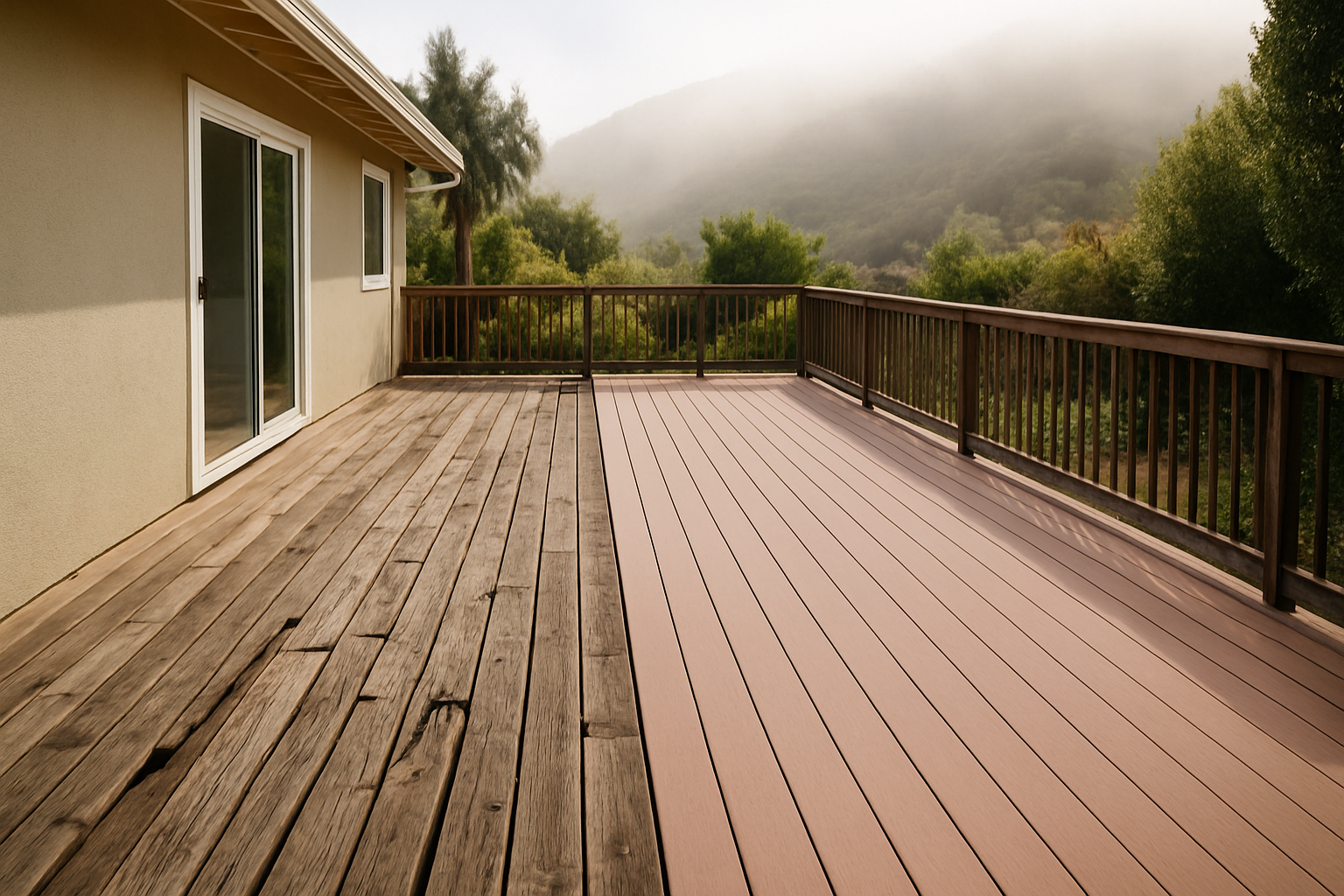
Mistake #2: Assuming Composite Decking Is Low-Maintenance Everywhere
Composite decking gets marketed as nearly maintenance-free, and in many climates, that’s close to accurate. But the Bay Area has a few conditions that composite buyers don’t always account for.
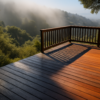
The first is heat retention on south-facing decks. Capped composite boards — the good ones, like TimberTech or Trex — absorb and hold heat. In full afternoon sun, surface temps can reach 140°F to 160°F on darker-colored boards. That’s not a safety exaggeration; it’s a real consideration if you have kids or dogs using the deck barefoot. Lighter colors and ventilated designs help, but if you’re planning a full-sun California deck, the color and profile you choose matters more than the brand name on the box.
The second issue is mold and mildew in persistently shaded or foggy areas. Lower-end composite products with wood-plastic cores — not fully capped boards — can absorb moisture at the cut ends and edges, leading to mold growth in Berkeley’s damp winter months. A capped composite with a sealed perimeter profile handles this better, but it costs more. Expect to pay $12 to $22 per square foot installed for quality capped composite in the Bay Area, depending on the product tier and site complexity.
Composite is genuinely the right call for a lot of homeowners. But going in expecting zero maintenance and no performance tradeoffs leads to disappointment. Comparing wood versus composite honestly before you commit is time well spent.
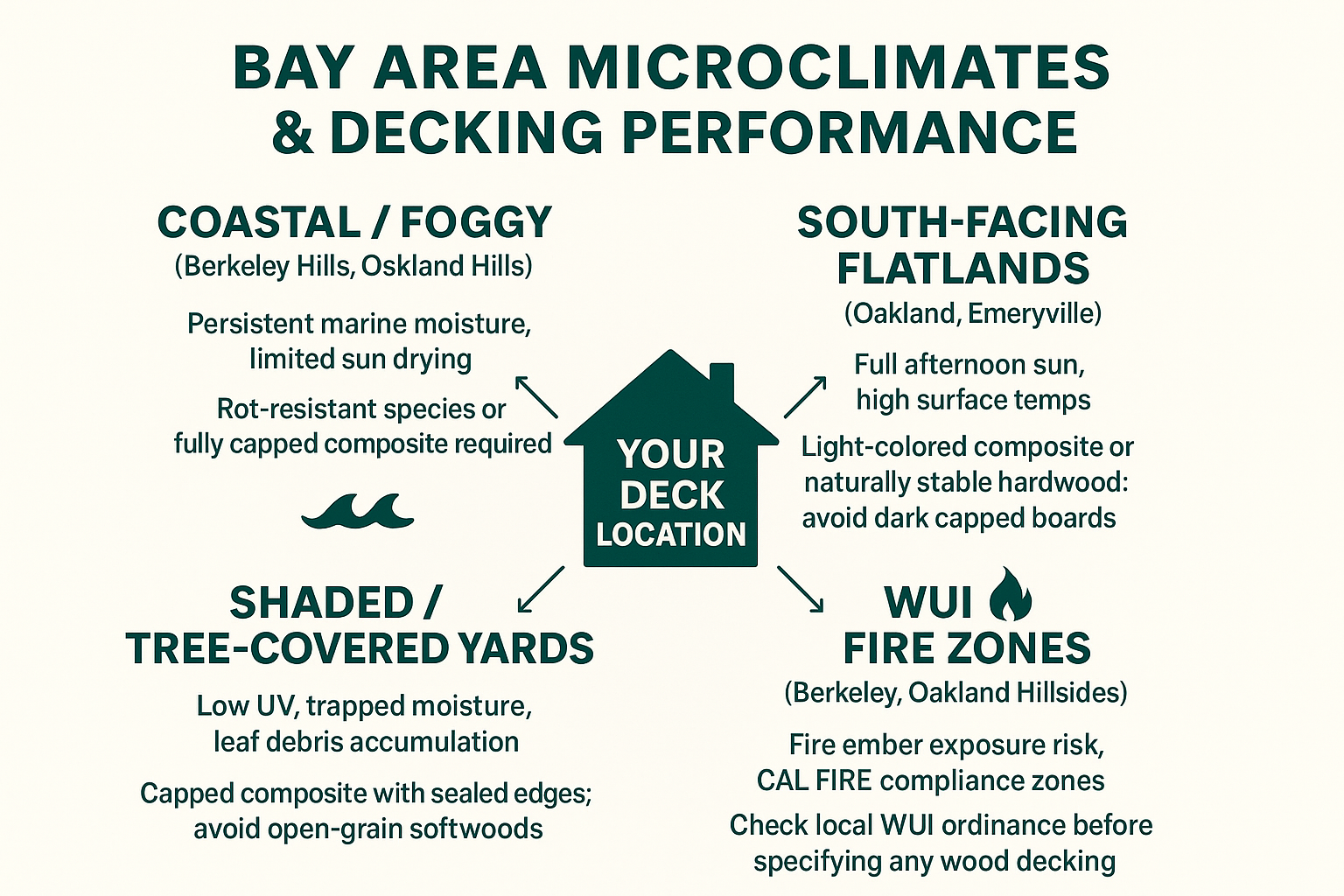
How Bay Area Microclimates Affect Decking Material Choice
Different parts of the Bay Area put very different demands on decking materials. This breakdown shows which conditions correspond to which material considerations.
Mistake #3: Ignoring Fire Zone Requirements Until Permit Review
This one catches homeowners off guard more than any other, especially in the Oakland and Berkeley hills.
If your property sits in a WUI zone — Wildland-Urban Interface — your decking material choice may not be entirely yours to make. California’s building code and local ordinances in Oakland and Berkeley impose real restrictions on combustible materials used in exterior applications near structures, including decks. Some projects in WUI-designated areas require ignition-resistant or non-combustible decking, which eliminates most standard wood options regardless of how beautiful they are.
The problem is that homeowners often choose their material, buy it, and then hit this wall at permit review. That’s a painful and expensive discovery. If your project is anywhere in the Berkeley or Oakland hills, understanding fire-rated lumber requirements before you spec anything is not optional — it’s the first step.
For projects outside WUI zones, this is less of a hard constraint. But it’s still worth knowing what zone you’re in before your contractor pulls a permit. The City of Berkeley and the City of Oakland both have online parcel lookup tools that will tell you your fire hazard severity zone in about two minutes.
Bay Area Decking Materials: What to Expect in Real Conditions
This is a field-level comparison of common decking materials against the conditions that actually affect performance in the Bay Area and Central Coast.
| Material | Coastal Moisture Resistance | Fire Zone Compatibility | Approx. Installed Cost/SF | Maintenance Level |
|---|---|---|---|---|
| Redwood (clear grade) | Good — natural tannins help | Standard combustible; check WUI zone | $10–$16 | Seal every 1–2 years |
| Pressure-Treated Pine | Fair — needs aggressive sealing | Standard combustible; check WUI zone | $8–$13 | Seal annually minimum |
| Ipe (tropical hardwood) | Excellent — very dense grain | Standard combustible; check WUI zone | $18–$28 | Oil every 1–2 years |
| Capped Composite (Trex, TimberTech) | Excellent — sealed surface | Some products meet WUI requirements | $12–$22 | Annual cleaning only |
| Thermory (thermally modified wood) | Very good — moisture-stabilized | Check product spec sheet for WUI use | $14–$22 | Periodic cleaning; oil optional |
| MOSO Bamboo Decking | Good — dense, moisture-treated | Check local ordinance | $12–$18 | Periodic cleaning; UV treatment |
The Decision Nobody Talks About: Matching Material to the Actual Use of the Deck
A lot of decking mistakes come from specifying the same material regardless of how the deck will be used, how much direct sun it gets, and how much maintenance the homeowner will realistically do.
A heavily shaded deck in the Berkeley flats used for year-round outdoor dining needs something that handles mold, leaf stain, and damp conditions without constant intervention. That points toward capped composite or a dense tropical hardwood — not a softwood that requires annual sealing the homeowner will skip after year two.
A south-facing deck in Oakland’s Dimond district baking in afternoon sun needs a material that won’t warp from thermal cycling or burn bare feet in July. Lighter composite boards or thermally modified wood like Thermory handle that environment better than dark-colored capped composite or clear redwood without UV protection.
The decking material comparison guide we put together covers these tradeoffs in detail for Bay Area projects. But the core principle is simple: match the material to your specific site conditions and honest maintenance habits, not to what looked good in a manufacturer’s brochure photographed in San Diego.
Frequently Asked Questions About Choosing Decking in California
Is redwood still a good choice for a Bay Area deck in 2025?
Yes, but grade matters enormously. Clear all-heart redwood — meaning heartwood only, no sapwood — still performs well in coastal moisture and resists rot naturally. The issue is that lower grades with significant sapwood content don’t carry those same properties. If someone quotes you a low price on redwood, ask specifically what grade you’re getting before you assume it will perform like the classic material.
Does composite decking actually hold up in foggy Bay Area weather?
Fully capped composite does. The key word is ‘capped’ — meaning all four sides of the board are encased in a protective polymer shell. Uncapped or partially capped boards can absorb moisture at cut ends and develop mold in persistently damp conditions. TimberTech and Trex‘s premium lines are fully capped and handle Bay Area fog well. Budget composite products are a different story.
How do I know if my property is in a WUI fire zone?
Both the City of Berkeley and the City of Oakland have parcel lookup tools on their planning department websites. You can also check the CAL FIRE Fire Hazard Severity Zone map at osfm.fire.ca.gov. If your lot shows as High, Very High, or Extreme, talk to your building department before specifying any decking material — some products are prohibited regardless of how code-compliant they are elsewhere.
What’s the actual cost difference between wood and composite decking right now?
For a Bay Area installed deck, expect roughly $8–$16 per square foot for wood options depending on species and grade, and $12–$22 per square foot for quality capped composite. The composite number is higher upfront, but factors in zero annual sealing costs. Over a 10-year window, the total cost of ownership often lands closer than the sticker price suggests — especially for homeowners who won’t maintain a wood deck consistently.
Can I use any decking material I want if I’m not in a WUI zone?
Generally yes, with the usual permit and building code compliance requirements. California’s residential building code doesn’t restrict decking material choices for non-WUI properties beyond standard structural and fastener requirements. Your local building department may have additional requirements, so it’s worth a quick call before you finalize a spec.
Ready to Choose a Decking Material That Actually Fits Your Project?
If you’re planning a deck build or replacement anywhere in the Bay Area, the staff at Truitt & White’s Berkeley lumberyard on Hearst Avenue have worked through these exact decisions with contractors and homeowners for decades. Stop by, call the lumberyard at 510-841-0511, or browse product options at truittandwhite.com before you commit to a material you’ll be living with for the next fifteen years.