Quick Answer
To plan and build a deck well, start with the site, not the lumber list. Measure carefully, confirm drainage and attachment conditions, square the layout, handle permits early, build solid footings and framing, and pay close attention to the ledger and flashing. In the Bay Area, codes, microclimates, and material choice matter as much as carpentry.
Introduction
You're probably at the point where the idea feels simple and the project's actual requirements are starting to show themselves. You want outdoor space that works, but once you get into measurements, permits, slopes, attachment points, and materials, the project gets technical fast.
That's where how to plan and build a deck needs to be treated as two jobs at once. One is design and usability. The other is structure, code, and moisture control. If you separate those clearly from the start, the build goes a lot smoother.
Site Assessment and Initial Planning
Before you pick decking color or railing style, walk the site and look at what can cause trouble. In the Bay Area, that usually means grade changes, drainage, sun exposure, fog, and how the deck meets the house.

Start with the ground and the house
A deck only performs as well as the structure under it and the conditions around it. If the yard holds water, if the soil shifts, or if the house rim area is compromised, you need to know that before you order anything.
Check these items first:
- Drainage path: Watch where water already moves. Downspouts, hardscape runoff, and low spots will affect footing locations and long-term durability.
- Access for material handling: Tight side yards, steps, and fences can turn a routine delivery into a slow carry job.
- Attachment condition: If the deck will connect to the house, inspect the siding, sheathing, and framing area. Rot, previous patchwork, or layered cladding changes the whole approach.
- Use pattern: Dining area, grill zone, stairs, landing space, and furniture clearance should be worked out now, not after framing.
If you need help thinking through lumber, hardware, and build sequence, this guide on finding a reliable lumber supplier near me is worth a look before you finalize the order.
Practical rule: If a site looks easy at first glance, slow down and verify everything anyway. Deck problems usually start in the spots nobody measured twice.
Measure for the build, not just for the idea
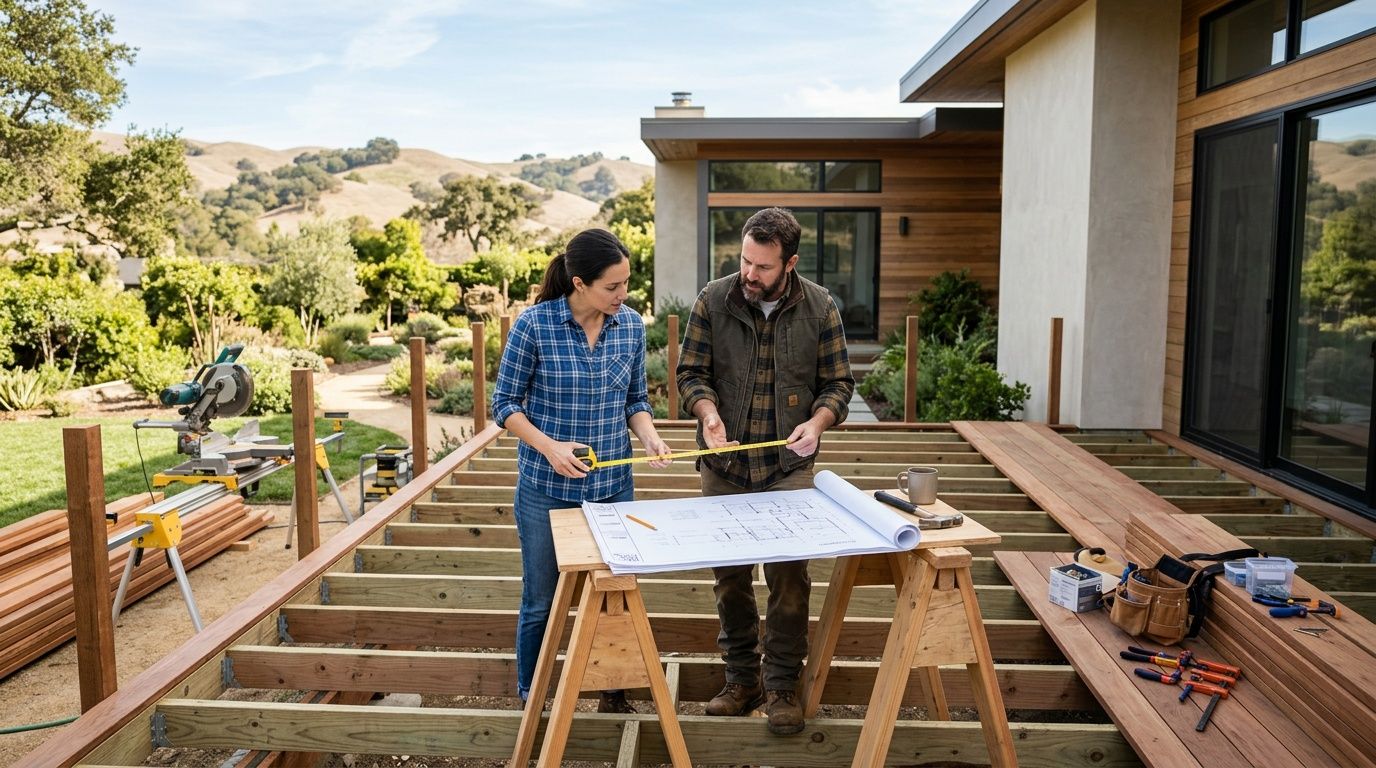
A lot of homeowners measure the outside box and stop there. That's enough for a sketch, but not enough for a buildable plan.
Take measurements for:
- overall width and projection
- finished height from grade
- door thresholds
- stair landing area
- post locations
- setback-sensitive edges
- obstructions like vents, hose bibs, conduit, and utility meters
Mark the corners with stakes and string so you can stand back and judge scale. That field layout tells you more than a paper rectangle.
Separate foundation questions from framing questions
These are different problems and should be treated that way.
What goes in the ground includes footing locations, depth, drainage around the holes, and whether excavation is realistic with your access and soil conditions.
What sits on top includes post layout, beam direction, joist span, stair orientation, railing attachment, and whether the deck should be free-standing or attached.
That separation keeps planning clean. It also makes material takeoff more accurate, because you're not mixing concrete and hardware decisions with finish-surface decisions.
Deck Design, Layout, and Navigating Bay Area Permits
A deck can look right on paper and still be wrong for the lot.

In the Bay Area, that usually shows up after the first review comment or after layout hits a sloped yard, a tight side setback, or an older house with wall conditions that do not support the attachment detail you assumed. Good deck design starts with use, but it also has to survive plan check, weather exposure, and seismic loading.
Draw the deck around traffic, grade, and the house you actually have
Start with how people will move through the space. Door swings, furniture clearances, grill location, stair landing area, and guard lines should all be resolved before you worry about decorative shapes.
Simple rectangles are usually cheaper to frame and easier to permit. They also waste less material. But Bay Area sites are rarely simple. A clipped corner may keep a stair out of a setback. A shifted landing may avoid a utility meter. A free-standing deck may save time if the existing wall assembly makes ledger attachment a bad bet.
That is the essential design trade-off. Cleaner geometry lowers labor. Smarter geometry can solve site problems before they become change orders.
A permit-ready drawing set should show:
- Site plan: house outline, property lines, setbacks, deck footprint, and stairs
- Framing plan: joist direction, beam lines, post locations, spans, and ledger or free-standing design
- Elevations: finished deck height, grade relationship, guards, and stair rise/run
- Connection details: post bases, beam connections, lateral load details, and attachment points
- Material notes: decking species or product, connectors, hardware finish, and any fire-resistance requirements
Bay Area permits go smoother when the structural story is clear
Local reviewers usually come back to the same questions. How is the deck supported. How does it attach, if it attaches at all. How are lateral loads handled. What is the footing plan. If those answers are scattered across the sheet set, review slows down.
Seismic design matters here. Inspectors and plan reviewers want to see a complete load path, not a sketch with missing connectors and a note that says "per code." Older homes add another layer because rim joists, siding build-ups, and previous remodel work can make standard deck details unusable without verification.
Fire exposure can matter too, especially near the hills and in wildfire-prone pockets. If your job is close to a wildland urban interface area, review the local requirements early. This guide to Berkeley WUI rules and fire-rated lumber helps sort out where exterior material choices can affect approval.
Permitting should shape the schedule from day one
Do not treat permit submittal as paperwork you can finish after materials are priced. In many Bay Area jurisdictions, review time, correction cycles, and inspection availability affect the whole build calendar. A clean submittal saves more time than a rushed one.
For contractors, this is also the point to tighten up documentation, site responsibility, and job cost exposure. On larger builds, or any project where weather, stored materials, and multiple trades are in play, finding specialized course of construction coverage belongs in preconstruction planning.
A permit set does not need to impress anyone. It needs to match the field conditions, show the load path clearly, and give the inspector a build they can approve without guessing.
The house connection deserves extra scrutiny
A lot of deck failures start at the ledger. In the Bay Area, I would rather spend extra time confirming wall structure, water management, and attachment details than assume the existing house can take the load.
Check the cladding. Check the rim or band framing. Check for stucco assemblies, brick veneer, cantilevers, and previous repairs that change the detail. If those conditions do not support a reliable connection, redesign the deck as free-standing and keep the structure independent of the house.
That decision often costs a little more in posts and beams. It can save a major repair later.
Building a Solid Foundation and Framing the Structure
A deck that looks clean on day one can still fail early if the footings are shallow, the posts are out of plumb, or the frame starts out of square. In the Bay Area, that risk goes up on sloped lots, expansive soils, and sites where damp foggy mornings give way to hot afternoon sun.

Start with footings that match the site, not a generic detail
Footing work sets the tolerances for everything above it. Hole depth, diameter, reinforcement, anchor placement, and post base alignment all need to match the approved plan and local requirements. The deck construction reference from Boom & Bucket gives a solid general overview, but Bay Area jobs often need closer attention to grade changes, access limits, and soil conditions than a standard backyard build.
On hillside properties, small layout errors get expensive fast. A post that lands even slightly off center can force beam shimming, odd connector loading, or field fixes that inspectors do not like. In coastal microclimates, hardware exposure also matters earlier in the process. Wet air and salt exposure can shorten the life of the wrong connector package.
A practical field sequence looks like this:
- establish control lines and confirm setbacks
- locate each footing from the framing plan
- dig to the required depth and diameter
- place forms and reinforcement where specified
- set anchors in the correct orientation and elevation
- allow proper cure time and call for inspection before loading the footing
Keep the frame square and the load path clean
Good framing starts with layout discipline. Use the 3-4-5 method at corners, check diagonals across the full frame, and recheck after posts and beams are locked in. One early correction is easy. Ten late corrections turn into tapered cuts, uneven overhangs, and guard posts that never line up quite right.
If the beams are straight and the diagonals match, the rest of the deck usually goes faster and fits better.
Set posts plumb in both directions. Crown joists consistently. Check beam bearing, connector fit, and hanger installation as you go instead of saving corrections for the end. On larger platforms, especially on exposed sites, I also like to verify lateral restraint details before the surface goes down because access is simpler and mistakes are easier to fix.
Bay Area material choices come with real trade-offs
Framing stock and finish materials need to suit the exposure, the budget, and the owner's maintenance tolerance. California code requirements, wildfire considerations in some zones, and local moisture conditions all push that decision.
| Material direction | What works well | Where it falls short |
|---|---|---|
| Pressure-treated framing | Common structural choice, widely available, works well with standard connectors when hardware is properly matched | Can twist, shrink, and check as it dries |
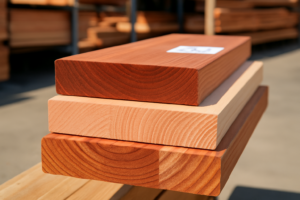
| Redwood in visible areas | Good appearance for fascia, trim, and selected exposed members | Higher cost, and appearance value does not always justify using it everywhere |
| Composite decking over wood framing | Lower maintenance walking surface with conventional framing below | Framing still needs full moisture and hardware detailing |
| Dense hardwood decking such as Ipe | Long service life and strong wear resistance | Heavy, harder on blades and bits, and slower to fasten correctly |
Transitions matter too. If the deck steps down to stone or tile hardscape, coordinate finish elevations and drainage before framing heights are locked. A reference like this laying travertine pavers DIY guide can help when you are planning edge conditions between deck framing and adjacent paving.
For joist layout, spacing errors show up later as bounce, alignment problems, and wasted material. Running the numbers with a deck joist spacing calculator before you place the order helps catch those issues while changes are still cheap.
Do not let schedule pressure loosen framing standards
Framing quality usually drops when crews start treating layout checks as optional. That is a mistake on any deck, and it is worse on Bay Area jobs where weather shifts, access constraints, and inspection timing already put pressure on production.
A better approach is simple. Stage material so beams and joists stay straight, protect framing stock from unnecessary wetting before installation, and keep tolerances tight from the first post base to the last rim board. Clean foundation and framing work is what gives you a deck that feels solid underfoot years later, not just one that passes at a glance on install day.
Secure Ledger Board Attachment and Flashing
If the deck attaches to the house, the ledger is the connection that deserves the most scrutiny. Structural loading and water management meet at this point, and that combination leaves no room for casual work.

Ledger board failure accounts for 50 percent of all deck collapses, often because of moisture intrusion or the use of lag screws instead of through-bolts, according to NADRA-referenced guidance on common deck mistakes.
Attach to structure, not to wishful thinking
Before the ledger goes on, verify the condition of the house framing behind the finish surface. Siding, trim, and old patchwork can hide weak or damaged framing.
The general sequence is straightforward:
- remove cladding as needed to expose the connection area
- verify the rim or supporting structure is sound
- use the specified ledger stock and hardware
- install through-bolts, not substitute fasteners
- keep spacing and edge distances consistent
- install approved flashing so bulk water sheds away from the house
Using the right connectors matters here. If you're sorting hardware, hold-downs, bases, and compatible fastening options, this overview of Simpson Strong-Tie products that help build stronger decks is a useful reference.
Flashing is not trim
Flashing has one job. Keep water out of the structure.
That means the top of the ledger needs a real drainage path and proper integration with the wall assembly above it. A clean Z-flashing detail, with the upper leg tucked correctly behind the cladding layer, does more for deck longevity than any cosmetic upgrade you add later.
Water behind a ledger doesn't announce itself. By the time you see staining or movement, the framing may already be compromised.
Don't rely on sealant as the primary defense. Sealants age. Flashing geometry does the essential work.
Small errors become big failures
The most common problems are familiar on failed inspections and callbacks:
- Wrong fastener choice: Through-bolts and proper structural hardware belong here.
- Poor flashing lap: If water can run behind the metal, the detail has failed.
- Attachment over damaged framing: New hardware won't fix rotten substrate.
- Skipped inspection mindset: Hidden structural points are exactly where inspection matters.
This is one place where being meticulous saves the structure, the siding, and the relationship with the client.
How to Plan and Build a Deck with the Right Materials
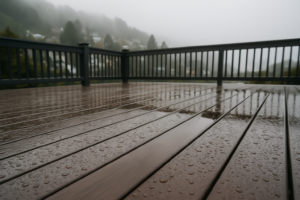
Once the structure is right, material choice determines how the deck looks, how it ages, and how much upkeep the owner is signing up for. In the Bay Area, that also means thinking about fog, UV exposure, salt air in some locations, and fire-conscious product selection.

Natural wood still has a place
Redwood and cedar are familiar for a reason. They look right in a lot of Bay Area neighborhoods and can be a strong fit when the owner understands that appearance and maintenance go together.
Wood works well when the client wants:
- a natural surface underfoot
- a classic residential look
- the option to stain or let it weather
- easier field modifications during install
What doesn't work is choosing wood while expecting composite-level upkeep. That mismatch causes more disappointment than the material itself.
Composite and recycled-content products solve different problems
The California Energy Commission's 2025 report indicates a 41 percent rise in inquiries for sustainable deck materials, and options like composites or recycled lumber are increasingly important for Title 24-aware selection and lower-maintenance, fire-conscious projects, according to this material trend reference.
That doesn't mean every project should switch to composite. It means more owners are asking for surfaces that hold up with less routine refinishing.
A simple comparison helps:
| Surface choice | Good fit for | Watch-outs |
|---|---|---|
| Redwood or cedar | Traditional appearance and site-built flexibility | Needs ongoing care and thoughtful detailing |
| Composite decking | Lower-maintenance ownership and consistent finish | Heavier profile choices, fastening rules, and heat behavior vary by product |
| Dense hardwoods | Premium look and long service life | Harder machining, stricter fastening discipline |
For a practical ordering checklist, this deck building materials list helps keep framing stock, hardware, fasteners, flashing, and finish materials coordinated.
Railings should match the deck's use, not just the photo
Railings affect safety, sightlines, and maintenance. Wood rails can blend naturally with wood decking, while metal systems can open the view and cut down on upkeep.
One good way to decide is to ask what the deck is doing every day:
- Family and pets: Prioritize solid attachment and spacing that makes sense for real use.
- View deck: Thinner visual profiles matter more.
- Foggy or exposed locations: Pick materials and finishes that won't become a maintenance fight.
- Remodel match: Sometimes the right answer is the system that fits the house rather than the one that stands out on its own.
In the lumberyard and hardware side of the business, Truitt & White carries structural lumber, decking materials, fasteners, hardware, and jobsite supplies that support this kind of project planning.
Fastening Techniques, Finishing Touches, and Inspection
The last part of the job is where a solid build can still be spoiled by rushed finish work. Board spacing, fastening pattern, stair cleanup, rail alignment, and inspection prep all show whether the job was thought through to the end.
Fasten for drainage and serviceability
Face-screwing is still the most straightforward method when you want visible, inspectable fastening and easier future board replacement. Hidden fastener systems can produce a cleaner look, but they depend on the decking profile and the manufacturer's installation method.
Keep board gaps consistent with the product requirements. On wood decks, allow for movement and drainage. On manufactured decking, follow the board-specific fastening and spacing instructions rather than treating every product the same.
A deck surface should shed water, allow cleaning, and let individual repairs happen without tearing apart the whole field.
Finish the edges and stairs like they were part of the plan
Trim cuts should line up cleanly. Picture-frame borders, breaker boards, and stair nosings need to look intentional, not like late fixes.
If you're coordinating details with a client or another trade before the last install day, a visual tool such as the Room Sketch 3D contractor sharing tool can help resolve layout questions before material gets cut.
Check the project before final inspection
Walk the deck slowly and check what an inspector will check:
- Connections: Post bases, joist hangers, bolts, hold-downs, and railing attachments
- Surface details: Proper board fastening, no proud hardware, no unsupported edges
- Stairs and guards: Solid feel, even geometry, and complete fastening
- Drainage and flashing: Water should move away from the house and off the deck
- General finish: Clean cuts, no split components, and no obvious missed hardware
Don't call for final until the deck feels finished under your feet, not just finished on paper.
Frequently Asked Questions About Building a Deck
How long does it usually take to build a deck?
For a basic 200-square-foot deck, industry guidance puts labor at 100 to 200 man-hours with a two-person crew. More complex decks can take much longer, and permitting in the Bay Area can add time before construction even starts.
Do I need a permit for a deck in Berkeley or Oakland?
Often, yes. Permit requirements depend on size, height, attachment method, and local rules. Check with your local building department or a qualified professional before starting, especially if the deck attaches to the house.
Is it better to build a free-standing deck or attach it to the house?
It depends on the site and the house condition. A free-standing deck can avoid some house-attachment complications, while an attached deck can be efficient if the structural connection and flashing are done correctly.
What's the most important safety detail on a deck?
The ledger connection is at the top of the list when the deck attaches to the house. Footings, post bases, guards, and stair construction matter too, but the ledger and flashing deserve special attention because hidden failure there can become severe.
Which decking material is easiest to live with long term?
For many owners, composite is the lower-maintenance option. Wood can still be the right choice if the look matters most and the owner is prepared for regular upkeep.
Can a serious homeowner build a deck without hiring a contractor?
Some can, especially on simpler projects, but the work has to be treated like structural construction, not backyard furniture. If there's any doubt about footings, framing, house attachment, or permit requirements, bring in qualified help.
Call to Action
If you're working through how to plan and build a deck and want a second set of eyes on materials, hardware, or layout, it helps to talk it through before the order goes in.
If you need decking, framing materials, fasteners, connectors, or practical project guidance, get in touch with Truitt and White. Visit the Lumberyard and Hardware at 642 Hearst Ave, Berkeley, CA 94710, call (510) 841-0511, email info@truittandwhite.com, or start at truittandwhite.com. For window and door needs on a larger remodel, the showroom is at 1831 Second Street, Berkeley, CA 94710, phone (510) 649-4400.