Quick Answer
A good hardwood decking supplier Oakland contractors can rely on does more than sell boards. The right yard helps you match species to Bay Area microclimates, catch code and sourcing issues before they stall the job, and coordinate fasteners, framing, and delivery so the deck goes in on schedule and performs the way it should.
You’re probably trying to keep a deck job moving while the site, the schedule, and the material list all keep shifting. That’s normal in the East Bay, and it’s also where deck projects get into trouble if the wood choice, delivery timing, or code questions get handled too late.
For a hardwood deck in Oakland, the material decision is only part of the job. Fire-zone requirements, sustainable sourcing questions, and jobsite access all need to be worked out early if you want to avoid reorders, delays, and installer headaches.
Choosing the Right Hardwood for Oakland's Climate
Oakland isn’t one climate. A deck in the hills, a sheltered backyard near Berkeley, and a fog-exposed site closer to the water won’t all weather the same way. Start with exposure, not appearance.

Wood remains a serious category in outdoor construction. The global wooden decking market was valued at USD 8.63 billion in 2026 and is projected to reach USD 10.82 billion by 2033, which reflects continuing demand for the look and feel of real wood in outdoor spaces (Coherent Market Insights, 2026).
Ipe for hard sun and heavy wear
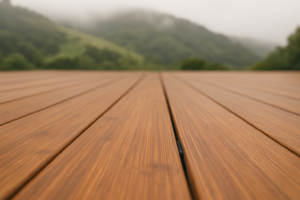
If the deck gets full sun, a lot of foot traffic, or a long service-life expectation, Ipe is usually on the shortlist. It’s dense, durable, and stable in demanding conditions.
That density is the advantage and the headache. It takes more effort to cut, predrill, and fasten, so the installer needs to plan for slower production and the right hardware from the start.
Practical rule: If your crew treats Ipe like ordinary softwood decking, the job will slow down fast.
Redwood for a regional look and easier installation
Redwood is still a natural fit for many Bay Area decks because it’s familiar, easier to work with, and looks right on a lot of local houses. On a straightforward residential project, that matters.
The trade-off is maintenance and wear. Redwood is softer than tropical hardwoods, so high-traffic areas and exposed edges need more attention over time, especially if the owner wants to hold the original color instead of letting it weather naturally.
What contractors should ask before ordering
A species decision goes smoother when you answer a few field questions first:
- Sun exposure: Full sun changes surface temperature, movement, and finish expectations.
- Moisture pattern: Fog, shade, and poor airflow affect weathering and maintenance.
- Traffic level: A front-entry deck and a quiet side-yard deck don’t need the same hardness.
- Finish expectation: Some owners are fine with silvering. Others want a maintained color.
- Install method: Hidden fasteners, face fastening, and stair work all affect board choice.
For a closer look at species performance in California conditions, this guide on what type of wood holds up best on a California deck is worth reviewing before you finalize the takeoff.
What works and what doesn't
What works is matching the board to the site. Dense hardwood on a punishing exposed deck makes sense. Easier-working material on a lower-wear residential platform can make just as much sense.
What doesn’t work is picking by color sample alone. A nice board on the sales counter won’t tell you how the deck will age in wind, fog, and direct afternoon sun.
Navigating Fire Codes and Sustainability Requirements
A lot of Oakland deck problems start before the order is placed. The plans look fine, the framing is underway, and then someone asks whether the property is in a fire-sensitive area or whether the spec requires certified sourcing. That’s the point where jobs get held up.

Fire-zone checks need to happen early
In the Oakland hills and other higher-risk areas, don’t assume the deck package is just a finish-material choice. Material selection may need to line up with local fire requirements, assembly details, and inspector expectations.
That doesn’t mean every hardwood question has a single universal answer. It means you should verify the project address, review the plans, and confirm requirements with the local building department before the material gets locked in. If you need a plain-English starting point, this overview of Berkeley WUI rules and fire-rated lumber explained is useful.
Code questions are cheapest at the plan stage. They get expensive once the truck is loaded.
FSC questions matter more than they used to
Contractors are also getting more sourcing questions from architects, owners, and public work specs. If tropical hardwood is on the table, chain-of-custody and certification status should be discussed before the quote turns into a purchase order.
Recent supply data points to real risk here. Up to 20% of imported Ipe may lack FSC certification, and Port of Oakland disruptions have previously increased lead times by up to 40%, which is exactly why local stock visibility matters on time-sensitive jobs (Lumber Trade Journal, 2026).
Why a lumberyard review helps
Big-box ordering tends to reduce the conversation to board counts and aisle availability. A professional yard should be looking at a wider set of issues:
- Spec review: Does the material fit the plans and the project conditions?
- Fastener compatibility: Dense hardwood and coastal moisture need the right hardware pairing.
- Lead-time realism: Special-order assumptions can wreck an install calendar.
- Documentation: If the architect asks for sourcing support, you want that conversation early.
- Delivery fit: Narrow streets, limited staging, and hillside access need planning.
A good review also catches mixed-scope mistakes. Deck boards are one line item. Framing material, connectors, hardware, and transitions to adjacent openings are where expensive omissions usually hide.
Estimating Quantities and Planning Your Budget
The fastest way to lose time on a deck job is to order only the visible boards and pretend the rest will sort itself out. It won’t. A clean takeoff is what keeps the install moving.
Start with the decking layout, not just square footage
Square footage gets you into the ballpark, but layout gets you to an order. Board width, direction, picture framing, stairs, breaker boards, and fascia all change the count.
If the deck shape is simple, sketch it and break it into rectangles. If it’s chopped up by steps, planters, or built-ins, work each section separately so you don’t bury waste and trim loss inside one rough total.
Build the material list in layers
A practical deck list usually includes more than people think:
- Decking boards: Field boards, border boards, stair treads, and fascia.
- Substructure: Joists, beams, blocking, posts, and any engineered members required by the plan.
- Hardware: Joist hangers, structural connectors, post bases, and anchors.
- Fasteners: Face screws or hidden-fastener components that fit the selected species.
- Site protection items: Covering, stickers, and storage support if material will sit before install.
For crews comparing fastening options, this guide on choosing the right deck screws is a useful reference, especially when you’re working through stainless selection for dense hardwood.
Miss the fasteners, and you haven’t really finished the order.
Think in total ownership, not just opening price
Premium hardwood often raises eyebrows on the first quote. That’s fair. But the right comparison is full lifecycle, installation reality, and expected service life.
Premium hardwoods like Ipe can have a higher upfront material cost, but their 40-75 year lifespan can offer 20-30% better long-term value compared to composites that may require replacement sooner, especially once maintenance is considered (Hardwood Industries, 2025).
A solid planning sheet helps. This deck building materials list is a good way to make sure the quote request includes the items crews most often leave out.
Working with Your Hardwood Decking Supplier
The order goes smoother when the supplier gets the right information the first time. If you’re calling around for hardwood decking, have the plans or field dimensions ready before you ask for pricing.
A useful quote request usually includes deck size, species preference, board dimensions, fastening method, job address, and delivery conditions. If there are stairs, built-in benches, or a picture-frame layout, say that up front.
What to send before you ask for a quote
The more complete the package, the fewer back-and-forth calls you’ll need.
- Plans or marked dimensions: PDF is fine. A clean sketch can also work.
- Species and finish preference: Even if you’re still deciding, narrow the field.
- Access notes: Gate width, tight street parking, or sloped driveway conditions matter.
- Install timing: Not exact, but close enough to judge scheduling.
- Special requirements: Certified sourcing, matching trim boards, or specific hardware requests.
What a supplier review should catch
This is where a real yard earns its keep. A proper review should catch missing fascia, stair stock, odd lengths, connector needs, and any mismatch between board choice and fastening plan.
For Bay Area contractors who want a checklist for vetting vendors, this guide on how do I find a reliable lumber supplier near me lays out what to look for.
One local option is Truitt & White, which operates a lumberyard and hardware center at 642 Hearst Ave, Berkeley and supplies decking materials, framing products, fasteners, and related jobsite items for contractors working in Berkeley, Oakland, San Francisco, and the East Bay.
What doesn't help
What doesn’t help is asking for a hardwood number with no scope behind it. “Price me Ipe for a deck in Oakland” usually means everyone will spend more time clarifying than quoting.
A complete request gets you closer to the right order the first time. That’s what saves labor hours later.
Managing Lead Times and Jobsite Deliveries
Deck material timing matters more than most schedules admit. If the crew is set, demo is done, and the hardwood package is still being sorted out, the install date isn’t real yet.
That’s especially true for less common species, uncommon dimensions, or jobs that need coordinated hardware and framing at the same time. If the site is difficult to reach, delivery planning needs even more lead time.
Delivery planning in the East Bay
The Bay Area has plenty of jobsites where the hard part isn’t the material. It’s getting the material to the right spot without burning half a day. Narrow streets, hillside driveways, parked cars, and limited staging space all affect delivery.
Founded in 1946, Truitt & White has served the Bay Area construction community for nearly 80 years, and that kind of longevity ties directly to the logistics side of the job as much as the material side (Truitt & White, 2025).
Receiving and storing hardwood the right way
A brief example. A contractor has excavation wrapping up on Thursday, framing lumber arriving Friday, and decking scheduled for Monday. Monday morning comes, but the site still has no clean staging area. The boards end up leaned against a fence in direct sun. That’s a preventable problem.
Use a simple receiving plan:
- Clear access first: Make sure the truck has a real path in and out.
- Stage on level support: Keep bundles off the ground with stickers or stable blocking.
- Cover smartly: Protect from direct weather, but don’t trap moisture tight against the wood.
- Inspect on arrival: Check counts, lengths, and visible damage before the install day gets busy.
- Separate phases if needed: On tight sites, split framing and finish deliveries instead of forcing everything at once.
A delivery date isn’t the end of purchasing. It’s the start of site handling.
If the project needs coordinated drop-off planning, construction materials delivery details are worth checking before the order is finalized.
Frequently Asked Questions About Hardwood Decking
How much more does hardwood decking cost than composite?
It depends on the species, board dimensions, fastening method, and the rest of the deck package. Looking at board price alone can give you the wrong answer because framing, hardware, and service life affect an accurate comparison. If you’re deciding between materials, compare the full installed scope, not just the deck board line.
Can I pick up my own decking order from your Berkeley yard?
Yes, will-call pickup can be arranged at the lumberyard at 642 Hearst Ave, Berkeley, CA 94710. For longer boards or larger orders, make sure your truck or trailer is set up for the length and weight of the material. It’s worth confirming bundle size before arrival.
What's the real difference between Ipe and Redwood for an Oakland deck?
Ipe is denser, harder, and generally built for long service in demanding exposure, but it takes more labor to install. Redwood is easier to cut and fasten and has a classic regional appearance, but it will usually need more regular upkeep and won’t take abuse the same way a dense tropical hardwood will.
Do I need to seal my new hardwood deck right away?
Not always. Some hardwoods benefit from settling in on site before finish is applied, and the right timing depends on the species and the finish system being used. The best move is to follow the finish manufacturer’s instructions and check with your installer before rushing that step.
Does Truitt & White deliver to tricky hillside properties in the Oakland hills?
Yes, difficult access jobs are common in the East Bay. The important part is giving the yard accurate site information when you place the order, including street conditions, driveway slope, parking limits, and staging options. That lets the delivery side plan the drop more realistically.
Start Your Oakland Deck Project with Confidence
A deck usually goes better when the material list, site conditions, and delivery plan are settled before the crew is waiting on lumber. If you’re comparing species, gathering takeoff information, or trying to avoid a bad ordering sequence, work through those decisions early.
If you want design inspiration before finalizing details, it can also help to explore their completed projects and see how different outdoor builds come together in real settings.
Sources
Coherent Market Insights. "Wooden Decking Market." 2026. https://www.coherentmarketinsights.com/market-insight/wooden-decking-market-5296
Lumber Trade Journal. "Supply chain and FSC availability context referenced via project page." 2026. https://www.acmebuilders.com/projects/decks/
Hardwood Industries. "Decking cost and lifespan context referenced via decking page." 2025. https://dolanlumber.com/decking/
Truitt & White. "Best Wood for Deck." 2025. https://truittandwhite.com/best-wood-for-deck
Bring your plans or material list to Truitt and White, or call the Lumberyard and Hardware location at (510) 841-0511 at 642 Hearst Ave, Berkeley, CA 94710. For window and door coordination tied to a larger exterior project, the showroom is at 1831 Second Street, Berkeley, CA 94710, (510) 649-4400. You can also reach out through truittandwhite.com or info@truittandwhite.com.