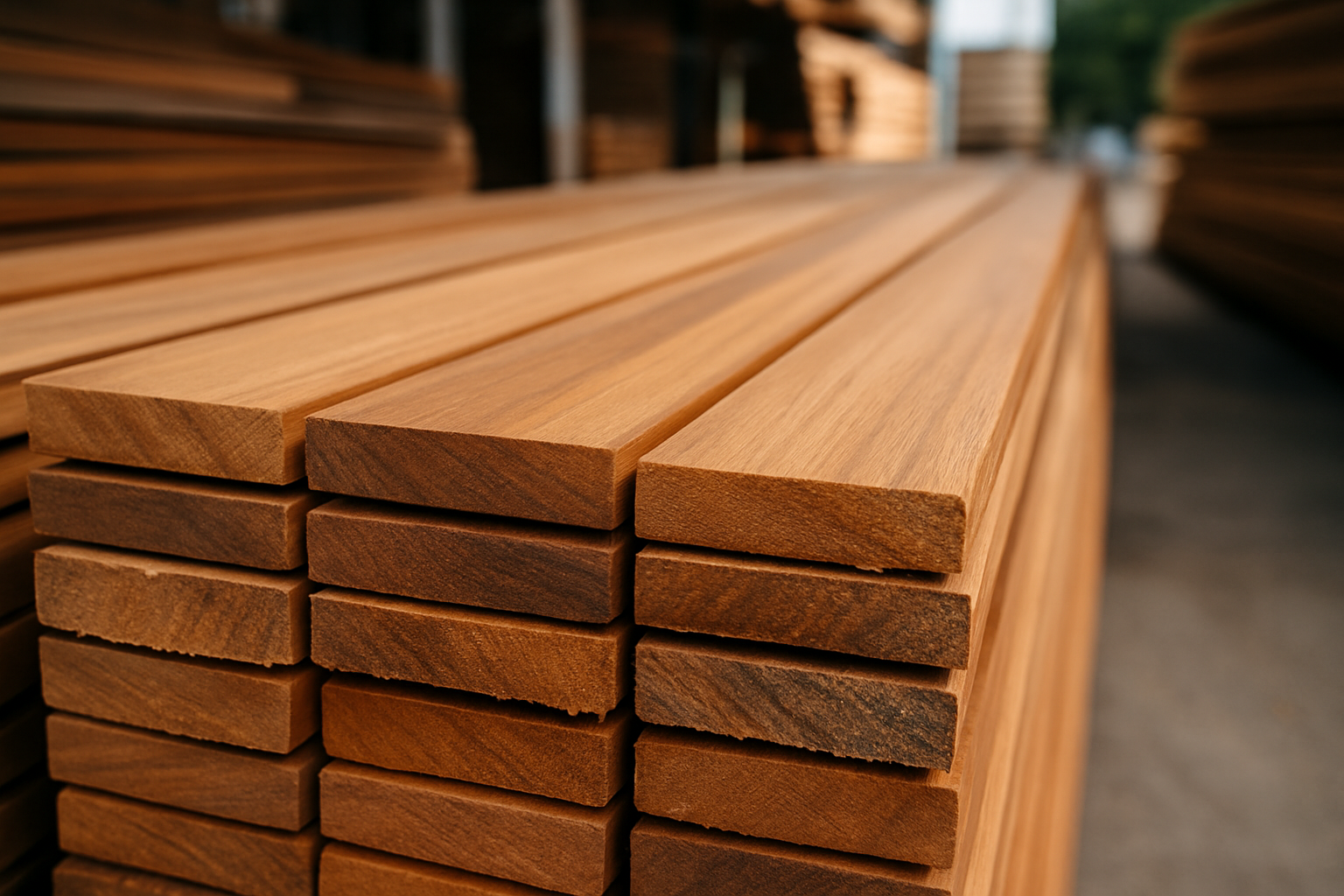
Direct Answer: Tropical hardwoods are durable and beautiful, but they’re expensive to buy, hard to work with, and demand consistent maintenance in Bay Area conditions to stay that way.
Tropical hardwood decking gets a lot of attention for the right reasons. Ipe, cumaru, and garapa are among the densest, hardest decking materials available — and when finished properly, they’re genuinely beautiful. But the pitch you usually hear skips the parts that actually affect your project.
Bay Area conditions are specific. The marine layer rolls in from the Bay most mornings in Berkeley and Oakland. Fog sits on coastal-facing decks for hours. A material that performs fine in Phoenix or Atlanta can behave very differently when it’s cycling through moisture and mild temperatures week after week.
This article covers the tradeoffs that don’t show up in the product brochure — specifically around workability, long-term maintenance, and sourcing. If you’re a contractor or serious homeowner comparing options, these are the parts worth understanding before you commit to a species.
Why Tropical Hardwoods Are So Hard to Work With on the Jobsite
The same density that makes ipe last 25 to 40 years is also what makes it difficult to cut, fasten, and finish. These aren’t minor inconveniences — they affect labor cost, schedule, and the quality of the finished product.
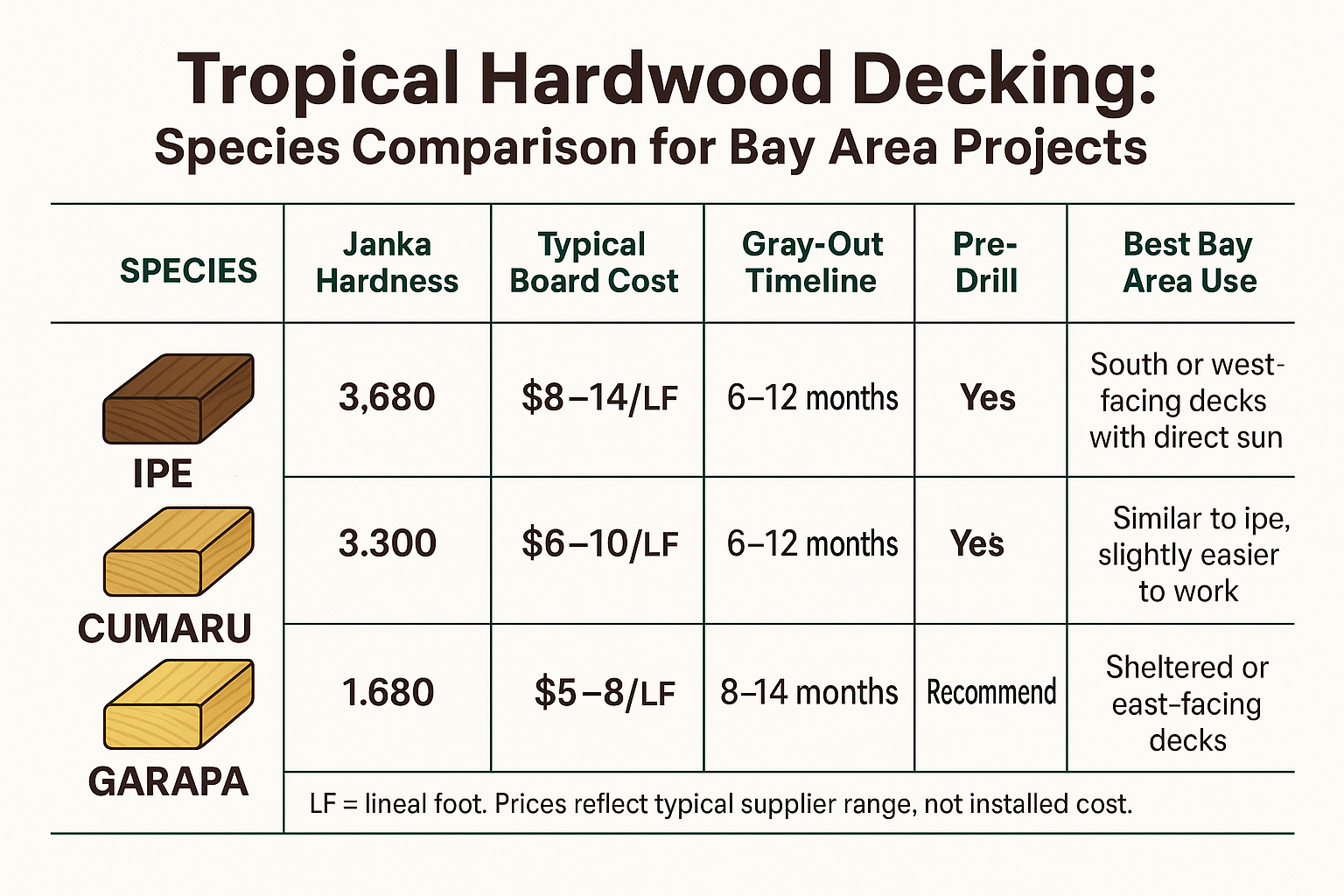
Ipe runs around 3,680 on the Janka hardness scale. For comparison, California redwood sits around 450. Cumaru comes in at roughly 3,300, and garapa at around 1,680. All of them will eat through standard carbide saw blades faster than domestic softwoods, and blades need to be replaced mid-job on larger decks.
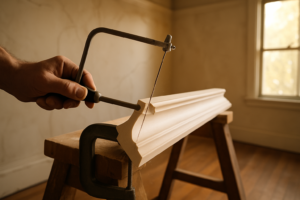
Fastening is its own challenge. Pre-drilling is required on every board — tropical hardwoods will split without it, especially near the ends. That adds time. And because these species contain natural oils, standard fasteners can corrode on contact unless you’re using stainless steel or hot-dipped galvanized hardware throughout.
The oil content also affects finishing. You typically need to clean boards with a solvent like acetone before applying any oil-based finish, or the product won’t bond. Skip that step and you’ll be back stripping and refinishing within a season.
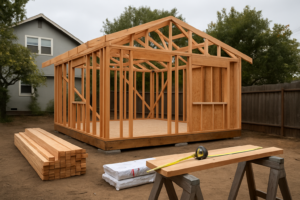
For a project overview from framing through finish, how to plan and build a deck covers the full sequence in practical terms.
What Maintenance Actually Looks Like Over Time
This is where a lot of buyers get surprised. Tropical hardwoods are low-maintenance compared to pressure-treated pine, but they are not no-maintenance. In Bay Area conditions specifically, the gap between a well-kept tropical deck and a neglected one is significant.
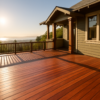
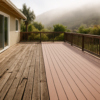
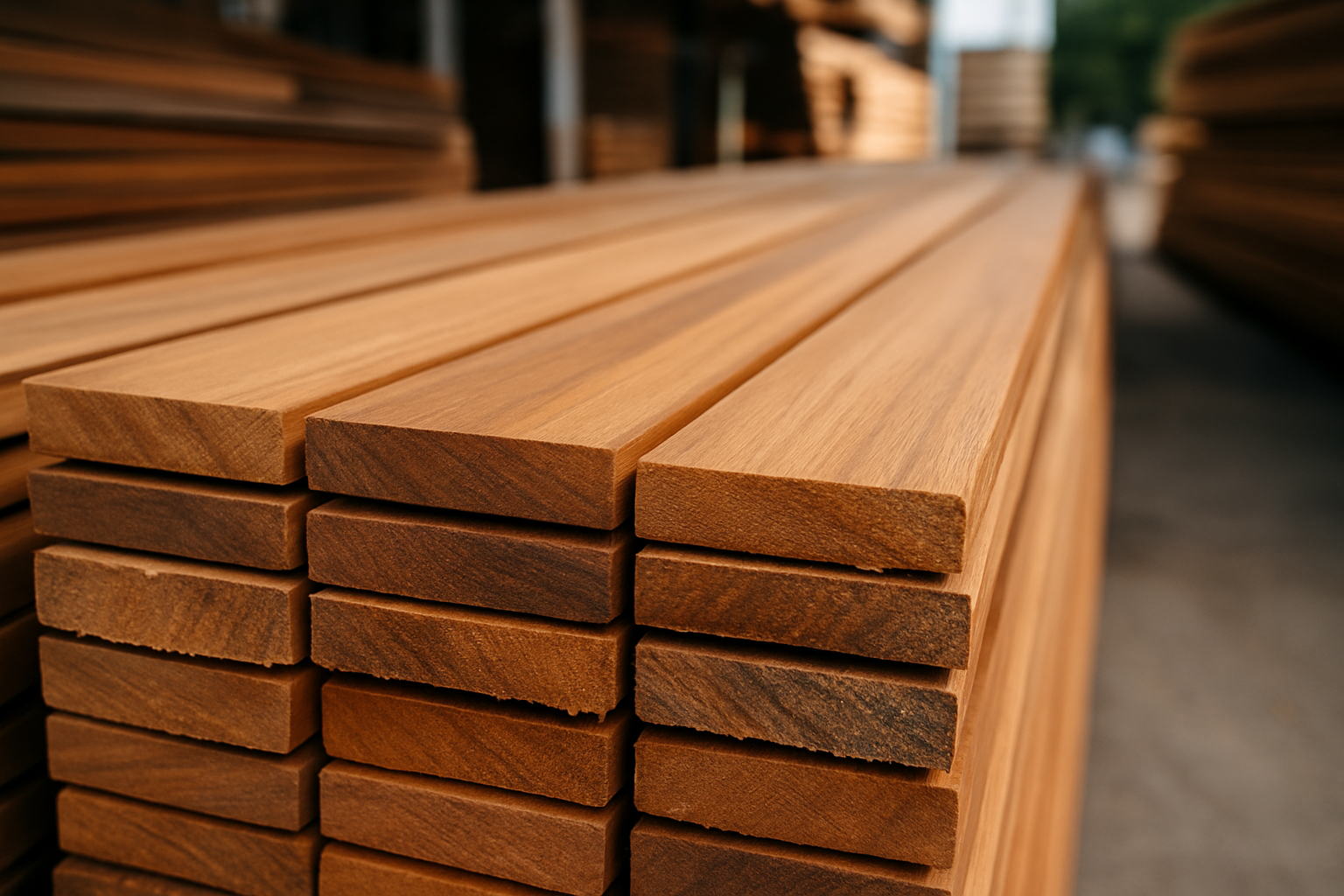
Left unfinished, ipe and cumaru will gray out within 6 to 12 months. That silvery patina is stable and won’t compromise the wood’s structural integrity, but most homeowners aren’t expecting it. If the goal is to preserve the rich brown color, annual or biannual oiling is required.
In fog-heavy Berkeley Hills locations or north-facing Oakland decks, moisture sits longer. That increases the risk of:
- Surface mold and mildew in shaded or low-airflow areas
- Tannin bleed onto concrete or pavers below the deck in the first few wet seasons
- Checking — surface cracks along the grain that are cosmetic but alarm homeowners who paid premium prices
Checking doesn’t mean the board is failing. It’s a normal response to moisture cycling, and it’s common even with quality boards. But it’s worth telling clients upfront.
For a broader comparison of how tropical hardwoods perform against other materials in local weather, which decking material actually holds up in Bay Area weather breaks down the specifics by microclimate.
Tropical Hardwood Decking at a Glance
This infographic compares the three most common tropical hardwood species used in Bay Area decking projects across the factors that matter most to contractors and homeowners.
Tropical Hardwood vs. Alternatives: Key Tradeoffs
This table compares tropical hardwoods against the other decking materials Bay Area contractors most commonly specify, across the factors that actually affect decisions.
| Material | Upfront Cost (per LF) | Maintenance Level | Bay Area Fog Tolerance | WUI Fire Zone Approved? |
|---|---|---|---|---|
| Ipe | $8–$14 | Moderate (annual oiling) | Good with proper finish | Check with local AHJ |
| Cumaru | $6–$10 | Moderate (annual oiling) | Good with proper finish | Check with local AHJ |
| Garapa | $5–$8 | Moderate (biannual oiling) | Fair to good | Check with local AHJ |
| Redwood (clear) | $5–$9 | Low-moderate | Very good | Not always approved |
| Composite (TimberTech) | $7–$14 | Very low | Excellent | Varies by product |
| MOSO Bamboo | $5–$8 | Low-moderate | Good in shaded areas | Check with local AHJ |
The Sourcing and Sustainability Question You Should Be Ready to Answer
Clients ask about this more than they used to — especially in Berkeley and Oakland, where environmental sourcing matters to a significant portion of the homeowner market.
Tropical hardwoods like ipe come primarily from South American forests. FSC (Forest Stewardship Council) certification exists, but certified ipe in particular is genuinely difficult to source in volume. Many suppliers sell ipe without FSC documentation, and the supply chain isn’t always transparent.
That’s not an automatic disqualifier, but it’s something to know when a client asks. If FSC certification matters on a job, verify it specifically — don’t assume.
For contractors working in Oakland’s WUI zones or Berkeley hillside projects, the fire performance question comes up alongside sustainability. Tropical hardwoods are dense and slow to ignite compared to softwoods, but that doesn’t automatically make them code-approved for WUI applications. Approval is determined by your local Authority Having Jurisdiction, and it’s worth confirming before specifying. The advanced guide to fire-rated lumber in Berkeley covers how that approval process works in practice.
Alternatives worth knowing for clients who prioritize sourcing transparency:
- Thermory thermally modified wood — European-sourced, FSC available, no added chemicals
- MOSO bamboo decking — rapidly renewable, performs well in fog-heavy conditions
- Fijian mahogany — plantation-grown, easier to source with documentation
These aren’t lesser choices. They’re legitimate alternatives that some projects are better suited for.
When Tropical Hardwood Is Actually the Right Call
After all of this, it’s worth being direct: tropical hardwood decking is the right choice for certain projects, and it’s genuinely hard to match for longevity when it’s installed and maintained correctly.
Ipe in particular makes sense when:
- The client wants a natural wood look and is committed to annual maintenance
- The deck gets significant sun exposure and will dry out between wet weather cycles
- Budget allows for proper stainless hardware, pre-drilling, and a quality penetrating oil finish
- The project is on a south or west-facing exposure where drying conditions are favorable
If the deck is shaded, north-facing, or the client isn’t interested in maintenance, composite decking is often the more honest recommendation. For a side-by-side breakdown, wood vs. composite decking for Bay Area decks covers both cases without oversimplifying.
The best material isn’t always the hardest one. It’s the one that matches the conditions, the client’s expectations, and the maintenance reality they’ll actually follow through on.
Frequently Asked Questions About Tropical Hardwood Decking
Does ipe really last 25 years in Bay Area conditions?
Yes — but ‘last’ means structurally intact, not looking like day one. Ipe can hold up 25 to 40 years without rotting or losing structural strength. Cosmetically, it will gray and check over time without consistent oiling. In fog-heavy locations like the Berkeley Hills or areas near the Bay, expect to oil annually if you want to preserve the color.
Can I use standard deck screws with tropical hardwood?
No. The natural oils in tropical hardwoods cause standard steel fasteners to corrode, which leads to staining and fastener failure over time. Use stainless steel or hot-dipped galvanized screws throughout — and always pre-drill near board ends to prevent splitting.
Is tropical hardwood approved for WUI fire zones in Oakland or Berkeley?
It depends on the species and the specific project. Tropical hardwoods are denser and slower to ignite than many softwoods, but WUI approval is determined by your local AHJ on a case-by-case basis. Don’t assume approval — confirm it before you spec the material.
What’s the difference between ipe and cumaru?
Both are South American hardwoods with similar density and durability. Ipe is slightly harder (3,680 vs. 3,300 Janka) and typically costs a bit more. Cumaru has a slightly warmer, more varied color tone. For most Bay Area applications, performance is comparable — the choice often comes down to price and availability at the time of ordering.
How does tropical hardwood hold up compared to redwood in the Bay Area?
Tropical hardwoods outperform redwood on raw durability and hardness. But clear redwood is easier to work, holds finish well, and is a natural local choice that many Bay Area clients prefer. For a detailed breakdown, the decking material comparison guide for Bay Area pros covers both materials in depth.
Can I leave tropical hardwood unfinished?
Structurally, yes. Ipe and cumaru will gray and develop surface checks, but won’t rot or fail. If the client is fine with a silver-gray patina and understands that surface checking is cosmetic, unfinished is a legitimate low-maintenance approach. If they’re expecting it to stay brown, they need to commit to annual oiling.
Ready to Spec the Right Decking Material for Your Project?
If you’re weighing tropical hardwood against other options for a Bay Area build, the staff at Truitt & White can walk you through what’s in stock, what the real installed cost looks like, and what holds up best for the specific conditions of your site. Stop by the lumberyard at 642 Hearst Avenue in Berkeley, call 510-841-0511, or visit truittandwhite.com to get started.