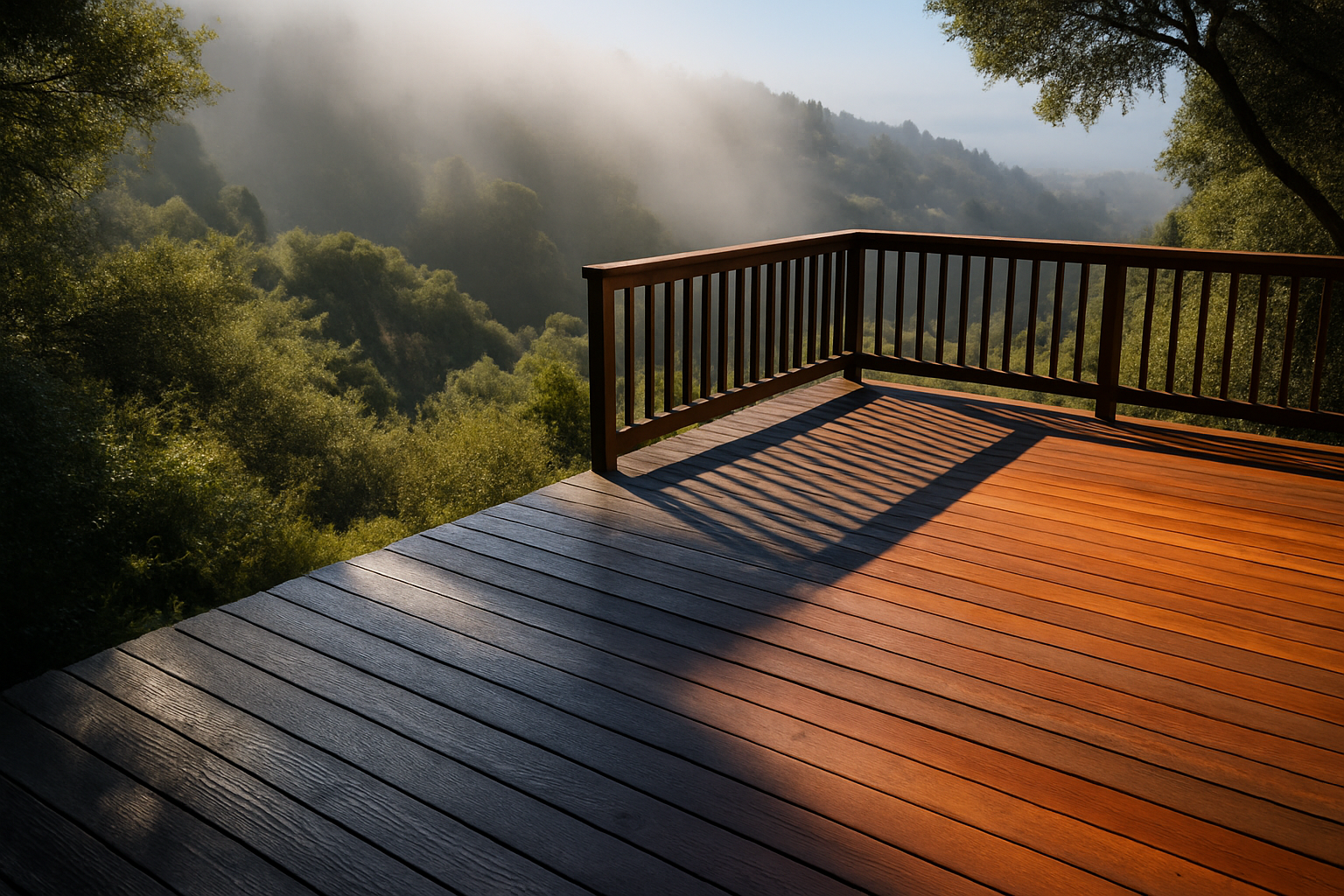
Direct Answer: Bay Area fog keeps decks damp for hours every morning, which accelerates rot and mold in unprotected wood. Composite handles that moisture cycle better, but full-sun south-facing decks raise different concerns entirely.
Most decking decisions get made based on price and looks. But in the Bay Area, the weather is doing something to your deck every single day — and the material you choose either handles those conditions well or starts breaking down within a few seasons.
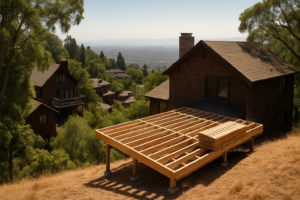
The Bay Area doesn’t have one climate. It has dozens. A deck in the Berkeley flats sits in a completely different exposure environment than a deck on a hillside in the Oakland hills or a south-facing backyard in San Francisco’s Mission District. Fog, marine moisture, UV intensity, and temperature swings all vary block by block — and each one affects wood and composite decking differently.
This article focuses on two things that actually move the needle: how chronic moisture from coastal fog affects both material types over time, and how direct sun exposure changes composite performance in ways the product brochures don’t always advertise. If you’re choosing between wood and composite for a Bay Area deck, these are the factors worth understanding before you commit.
What Morning Fog Actually Does to a Deck Over Time
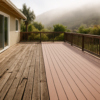
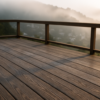
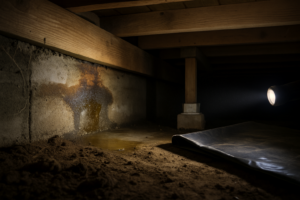
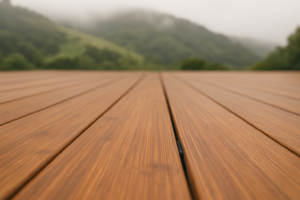
The marine layer that rolls through Berkeley, Oakland, and the hills most mornings isn’t just inconvenient — it deposits real moisture on every surface it touches. A deck in the fog belt can be visibly wet by 7 a.m. even on a day that turns sunny by noon. That daily wet-dry cycle is harder on decking materials than a single rainstorm.
For natural wood decking, repeated moisture absorption followed by drying causes the wood to expand and contract. Over time, this leads to checking (surface cracks), cupping, and raised grain. Redwood handles this better than most softwoods — its natural tannins and tight grain structure resist moisture penetration — but even redwood needs regular sealing to perform well in high-fog zones. Cedar performs similarly but is harder to source in contractor-grade lengths locally.
For composite decking, the fog story is more complicated than the marketing suggests. Most capped composite boards — like TimberTech and Trex — have a polymer shell that prevents direct moisture absorption into the core. That’s a real advantage in foggy conditions. But:
- Uncapped or lightly capped composites from off-brand manufacturers can still absorb moisture at cut ends and fastener holes
- Composite boards sitting in standing water or against wet ledger boards can still develop mold on the surface, even if the core stays dry
- Gapping matters more in fog climates — tighter-gapped installations trap moisture longer and slow drying
For the full picture on how different materials respond to Bay Area weather patterns, which decking material holds up in Bay Area weather breaks this down across more material types.
The South-Facing Deck Problem: When Sun Is the Enemy
Here’s where composite can surprise people. Many Bay Area homeowners choose composite specifically because they’ve heard it’s low maintenance. And in shaded or fog-heavy zones, that reputation holds up. But on south- or west-facing decks with long daily sun exposure, composite behaves very differently.
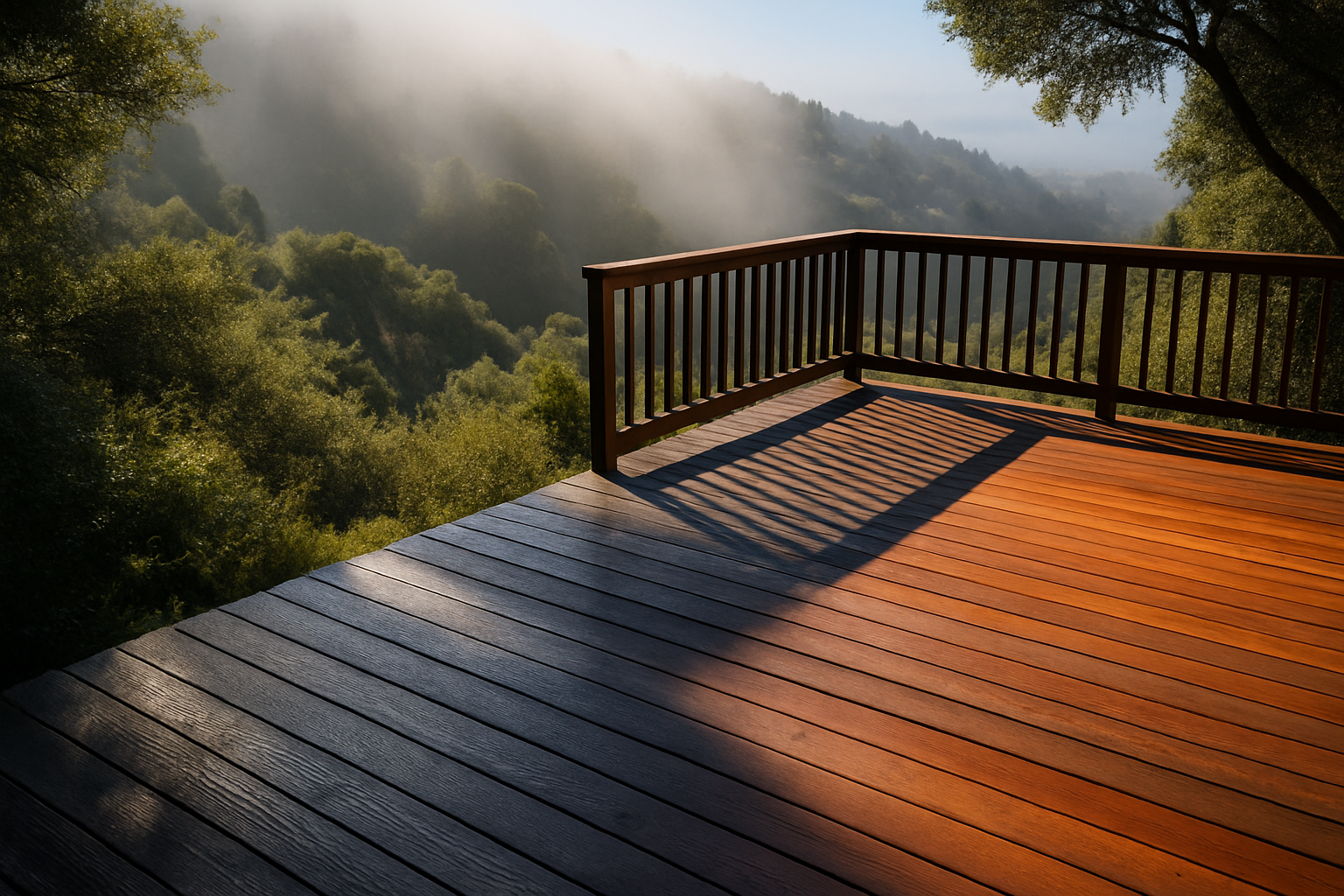
Dark composite boards in full California sun can reach surface temperatures of 140°F to 160°F on a warm afternoon. That’s not a comfortable surface to walk on barefoot, and it’s hot enough to cause problems for pets and kids. TimberTech and Trex both publish heat performance data, and their lighter-colored, capped composite lines do run cooler — but the physics of a dark polymer surface in direct sun are what they are.
Light-colored composite in full sun is the better call if heat retention is a real concern for how you use the deck. But it’s worth being honest: no composite board stays cool on a south-facing Berkeley or Oakland deck in July.
Natural wood behaves differently under heat. Wood doesn’t conduct heat the same way polymer does, so even a dark-stained redwood board will feel significantly cooler underfoot than a same-colored composite board in the same sun. That’s not a myth — it’s a material property. If your clients or customers are building a deck that gets hard afternoon sun and will be used heavily in summer, wood’s lower heat absorption is a genuine functional advantage, not just an aesthetic preference.
For decks in full sun specifically, best decking material for full sun California decks goes deeper on this comparison with material-specific heat data.
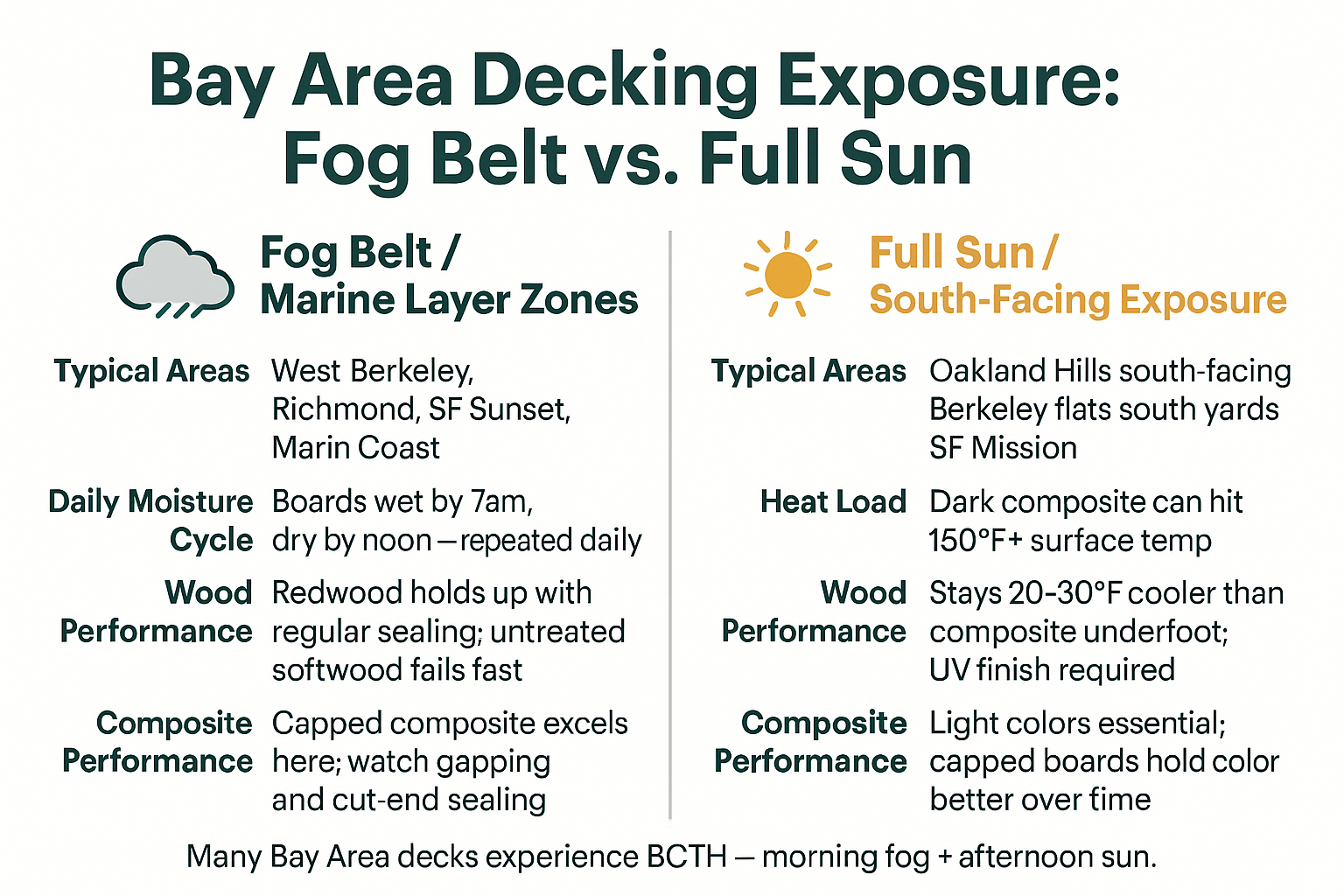
Bay Area Climate Zones and What They Demand from Decking
This infographic maps the two dominant Bay Area exposure types and what each one means for wood and composite performance.
The Decks That Get Both: Fog in the Morning, Sun by Afternoon
The trickiest exposure scenario in the Bay Area is the one that’s also the most common: a deck that sits in the marine layer until 11 a.m. and then bakes in direct sun through late afternoon. This happens constantly in the Oakland flats, the Berkeley hills transition zones, and throughout the East Bay.
For this combined exposure, the material decision gets genuinely complex. Wood that’s still wet from morning fog and then exposed to afternoon UV heat is being stressed in both directions — moisture expansion in the morning, UV degradation and surface drying in the afternoon. Finish maintenance becomes non-negotiable, not optional.
Composite handles this combined exposure reasonably well, but only if the installation accounts for both conditions:
- Gapping must allow airflow so boards dry fully before afternoon heat sets in
- Lighter board colors reduce heat buildup even on partial-shade decks
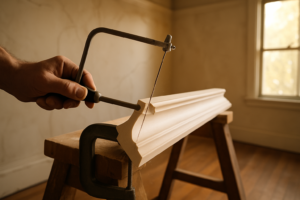
- Cut ends on composite boards should be sealed at install — in foggy climates, exposed cores at cut ends and around fasteners are the most common moisture entry points
For contractors spec’ing materials for these conditions, wood vs composite decking for Bay Area decks covers the installation-level differences in more detail.
Redwood remains a genuinely competitive option in the combined-exposure scenario — not because it’s trendy, but because it was literally the regional standard for Bay Area decks for decades and performed. The challenge today is sourcing quality, knot-free redwood decking, which requires a supplier who actually stocks it rather than special-ordering marginal material. For a direct comparison, redwood vs composite decking: your Bay Area guide is worth a read before you finalize your spec.
Wood vs. Composite Performance by Bay Area Exposure Type
This table summarizes how each material type performs across the three most common Bay Area exposure conditions.
| Exposure Type | Natural Wood (Redwood) | Capped Composite (e.g. TimberTech, Trex) |
|---|---|---|
| Heavy fog belt / coastal moisture | Performs well with annual sealing; watch for cupping on flat-sawn boards | Strong performer; gapping and cut-end sealing are critical |
| Full sun / south-facing | Stays cooler underfoot; UV finish required every 2-3 years | Light colors only; dark boards reach 150°F+; fading risk without cap |
| Combined fog + afternoon sun (most common) | High maintenance demand; performance depends on finish upkeep | Best all-around performer if installed correctly with proper gapping |
| Oakland/Berkeley WUI hillside (fire zone) | Check local WUI compliance; untreated redwood may not qualify | Some composites meet fire rating requirements — verify with supplier |
| Shaded / north-facing | Mold and mildew risk increases; needs ventilation and sealant | Surface mold possible even on capped boards; regular cleaning needed |
Frequently Asked Questions About Wood vs. Composite in Bay Area Conditions
Does composite decking really mold in the Bay Area fog?
It can. The core of a quality capped composite board won’t absorb moisture, but the surface absolutely grows mold and mildew in damp, shaded, low-airflow conditions — which describes a lot of East Bay backyards in winter. Regular cleaning with a composite-safe cleaner handles it, but it’s not a zero-maintenance situation. Poor gapping is the biggest contributor — boards installed too tightly trap moisture and don’t dry out between fog events.
Is redwood still a good choice, or is it outdated?
Redwood is genuinely well-suited to Bay Area conditions — it’s not nostalgia. Its natural tannins resist moisture and insects, it stays cooler underfoot than composite in the sun, and it takes finishes well. The honest limitation is sourcing: clear, tight-grain redwood decking in contractor volumes is harder to find than it was 20 years ago. If you can get quality material, it’s still a strong choice. If you’re stuck with knotty, lower-grade boards, composite starts looking more reliable for long-term performance.
What composite colors work best on a hot, south-facing Bay Area deck?
Stick with lighter tones — grays, tans, or lighter browns. Dark composite in direct sun can reach surface temperatures that make the deck unusable on warm afternoons. TimberTech and Trex both publish heat performance data for their color lines. Lighter colors can run 20–30°F cooler than dark colors in the same sun exposure, which is a real functional difference, not just aesthetics.
Do I need to seal composite decking in the Bay Area?
No — capped composite boards don’t need sealing the way wood does. But cut ends should be sealed at installation with an end-cut sealer, especially in high-fog areas. Exposed composite cores at cuts and around fastener holes are the most common moisture entry points. This is especially important if you’re cutting boards on-site rather than using pre-finished factory ends.
What if my deck is in an Oakland or Berkeley WUI fire zone?
Fire zone compliance changes the decision significantly. Some composite decking products carry a Class A fire rating that satisfies WUI requirements; many wood species do not without treatment. Verify the fire rating of any material before spec’ing it for a hillside project. Oakland and Berkeley both have detailed WUI zone maps and specific material requirements for decks. For more on this, fire-rated lumber requirements in Berkeley is worth reviewing.
Have a Specific Deck Project in Mind?
If you’re working through a decking decision for a Bay Area project — whether it’s a fog-belt backyard in Berkeley or a sun-baked south-facing deck in Oakland — we carry both redwood and contractor-grade composite lines including TimberTech and Trex at our Berkeley lumberyard. Stop by 642 Hearst Avenue, or call us at 510-841-0511 to talk through what the specific exposure on your project actually calls for. You can also explore product options at truittandwhite.com.